
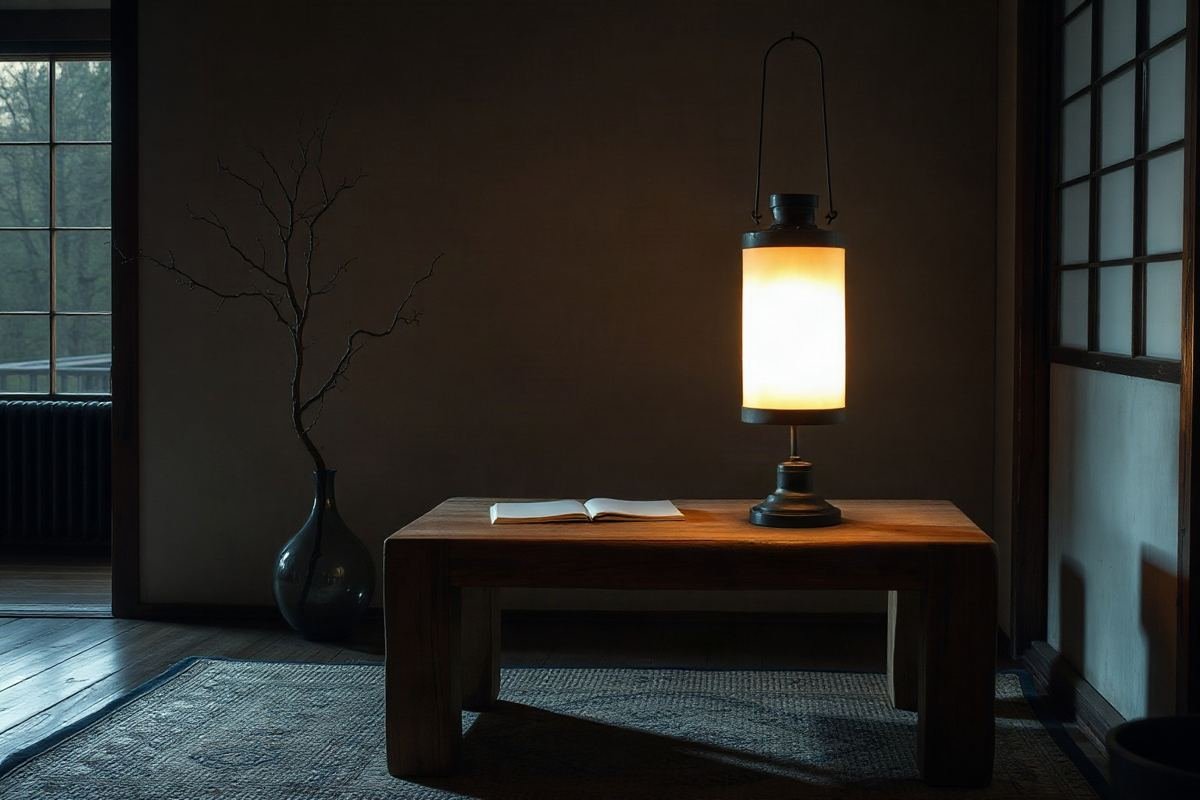
The defining 2026 wabi-sabi home decor trends are quiet, textured and honest. Expect limewash and plaster walls, imperfect handmade ceramics, raw and live-edge wood, low simple furniture, muted earth palettes, rumpled linen, single-stem arrangements, stone and clay surfaces, paper lantern light, visible repairs, empty space, woven natural fibers, softened windows and small ritual corners.
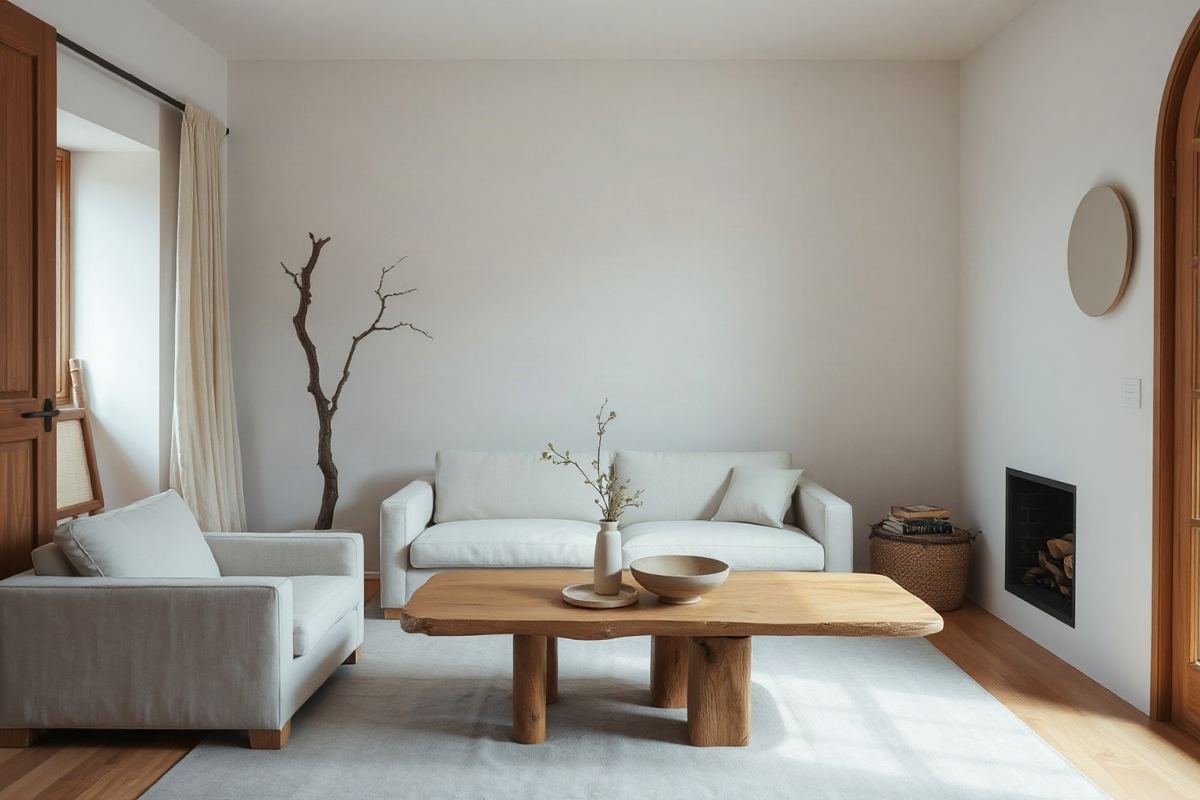
Wabi-sabi is an old Japanese idea that is surprisingly practical for a modern home: find beauty in what is simple, imperfect and passing. In 2026 it is speaking to people tired of flawless, crowded and fast-changing interiors, and wanting rooms that feel quiet, honest and lived in. You do not need a renovation or a trip to Japan to benefit from it; a few honest materials and a willingness to leave things as they are will go a long way.
This guide gathers the main directions into one practical playbook. For each of the 14 looks you will find what it is, why it works, how to do it in a real home, the budget options and the mistakes to avoid. At the end are combination rules, a budget table, a step-by-step plan, room-size advice and an FAQ.
The Big Picture: Why Wabi-Sabi Home Decor Is Changing in 2026
Three forces explain almost every trend below.
- Fatigue with perfection. After years of flawless, filtered interiors, many people find imperfect, handmade and aged things more comforting. A chipped bowl or a mottled wall tells you a real person made or used it.
- A wish for calm. Busy lives make quiet rooms valuable. Fewer objects, soft light and muted color reduce visual noise, so a home can work as a place to recover instead of another thing to manage.
- Buying less and keeping longer. Repair, secondhand and natural materials fit a more thoughtful approach to consumption. Pieces that age well reward patience, and a smaller number of better things is both calmer and often cheaper.
When you decide whether a look suits you, ask three questions. Does it add calm, does it get better with age, and does it have a real story behind it? If it fails all three, leave it out. Keep that test handy as you read, and be generous with yourself about the rest.
Limewash and Plaster Walls

Limewash, lime plaster and Roman clay finishes give walls a soft, mottled look with subtle movement. Instead of a flat, even coat of paint, the wall shows brushstrokes, layers and gentle shifts in tone.
Imperfect walls suit a style that finds beauty in age and variation. The finish also reflects light softly, and it makes even a simple room feel calm, quiet and handmade.
- Choose a quiet shade. Warm gray, oatmeal, clay and pale sand give subtle movement without drama.
- Apply in crossed strokes. Use a wide brush and cross hatch strokes so the color varies naturally.
- Prep the wall. Clean, fill and prime as instructed by the product so the limewash bonds well.
- Test a sample. Paint a large board and view it at different times of day before committing.
- Seal where needed. In kitchens and baths, use a suitable sealer to protect from splashes.
Budget options: Limewash-effect paints and DIY plaster kits cost much less than professional plaster. One wall or an alcove gives the effect. Start small and let each change settle first.
Mistakes to avoid: Expecting a perfectly even coat, skipping priming on glossy walls, and choosing a hue that is too strong to feel calm. Rushing the finish.
Imperfect, Handmade Ceramics
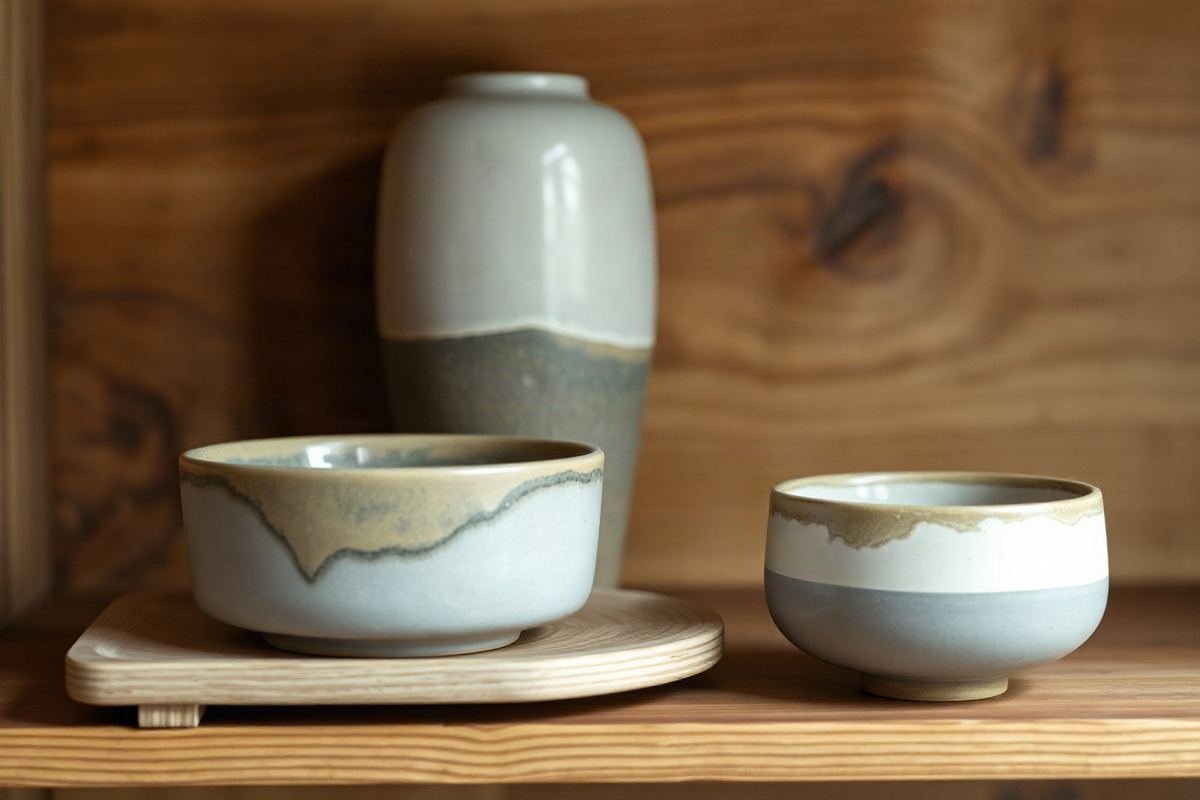
Hand-thrown bowls, cups and vases with uneven rims, glaze runs, small pinholes and visible fingermarks are a core wabi-sabi object. Colors are quiet: ash, oatmeal, iron brown and soft celadon.
Handmade objects carry the maker’s touch, and flaws show they are real. A few such pieces give a room soul in a way that identical factory sets cannot.
- Use them daily. Drink from the cup and serve from the bowl, since use is part of the beauty.
- Choose few pieces. Three or four good pieces on a shelf have more presence than twenty small ones.
- Embrace the glaze. Look for variation and drips that show the kiln at work.
- Buy local when possible. A craft fair or studio sale is a good source and supports the maker.
- Mix scales. A tall vase, a medium bowl and a small dish together look natural.
Budget options: Seconds from potters, thrifted stoneware and student sales are inexpensive. Look for texture and shape rather than a signature. Thrift stores and flea markets are best.
Mistakes to avoid: Buying matching sets that look manufactured, filling every shelf, and keeping handmade pieces too precious to use. Overbuying at once.
Raw and Live-Edge Wood

Wood is left close to natural: rough-sawn, live-edge, bleached, oiled or gently weathered. Tables, stools, benches and shelves keep knots, cracks and uneven edges visible.
Natural wood grows more beautiful as it ages and shows its history. It connects a room to the outdoors, and its warmth balances pale plaster and cool stone.
- Pick a single main piece. A solid table or bench with natural edges becomes the anchor of the room.
- Oil it lightly. Use a natural oil or wax rather than a thick gloss so the grain is visible.
- Keep joinery simple. Plain joints and no ornament let the wood speak.
- Mix with stone or metal. A stone vase or iron stand next to wood adds contrast.
- Welcome wear. Water marks and scratches are part of the story, so repair rather than replace.
Budget options: Reclaimed boards, secondhand farm tables and simple stools are often cheap. A fresh oil coat brings old wood back to life. Salvage yards often sell cut-offs cheaply.
Mistakes to avoid: Choosing wood stained a uniform shade that looks fake, using shiny polyurethane, and sanding away all the character. Choosing sealed, shiny alternatives.
Low, Simple Furniture

Furniture sits low to the ground and is stripped of ornament: a low platform bed, a floor cushion, a low table, a modest sofa. Fewer pieces are used, with space left between them.
Low furniture makes ceilings feel higher and rooms feel larger. Fewer objects mean less visual noise, which is the quiet effect people want from this style.
- Choose a low sofa. A simple low sofa in linen or cotton suits the relaxed, grounded feel.
- Add floor seating. Cushions or a low bench give extra seats that tuck away.
- Use a low table. A short wooden or stone table encourages a slower way of gathering.
- Leave space. Keep clear floor between pieces so the room can breathe.
- Check comfort. Low seats suit most people, but test if anyone has trouble standing.
Budget options: Cushions on the floor, a simple mattress on a low frame and a thrifted bench give the idea for little money. Declutter before buying anything. Try one piece before committing to the whole room.
Mistakes to avoid: Removing so much that the room feels empty and cold, buying furniture too low for older family members, and leaving no storage. Skipping a comfort test.
A Muted Earth Palette

Colors come from the ground and sky: oatmeal, clay, moss, ash, charcoal, soft brown and chalky white. Nothing is bright or glossy, and everything feels slightly faded.
A quiet palette lets the eye rest and lets texture and shape take over. It also ages well, since the colors are close to what time and weather would do anyway.
- Pick three shades. Choose a light, a mid and a dark tone, and keep them close in warmth.
- Prefer matte finishes. Chalky and matte paints look natural and hide marks.
- Add a dark accent. A charcoal vase or a black iron stand grounds the pale tones.
- Vary the texture. Use linen, wool, clay and wood so a muted room does not look flat.
- Test in your light. Samples at morning and evening show how undertones shift.
Budget options: Repaint with a soft, earthy color and use what you own. Dyed or washed linens and thrifted ceramics fill out the palette cheaply. Test colors with large paint samples first.
Mistakes to avoid: Choosing a cold gray that clashes with warm wood, using high-gloss paint, and adding bright accents that break the calm. Ignoring natural light.
Rumpled Linen and Natural Textiles

Linen bedding, cotton gauze curtains, rough wool throws and undyed fabrics appear a little creased and a little faded. Weave and fiber are visible, and edges may be frayed or unhemmed.
Soft, natural cloth adds comfort without color. Wrinkles and wash marks mean the fabric is in use, which feels honest and relaxing.
- Choose natural fibers. Linen, hemp, cotton and wool breathe and soften with every wash.
- Wash and wear. Prewash linens so they relax and take on a lived-in feel.
- Layer a few. Combine two or three textures such as linen, wool and cotton for depth.
- Skip the ironing. Wrinkles are part of the style, so leave them.
- Mend, do not toss. Simple visible stitching gives old textiles new life.
Budget options: Buy yardage of linen or cotton and make simple panels. Secondhand linens and washed cotton sheets work well. Washed secondhand linens are often the softest.
Mistakes to avoid: Choosing stiff synthetic fabrics, over-ironing until things look crisp, and adding too many patterns. Overlooking care instructions.
Single Stems and Dried Branches

One carefully chosen branch, a single flower, a sprig of dried grass or a few seed pods in a simple vessel are used instead of a big bouquet. The arrangement leaves space around it.
The restraint focuses attention and brings seasonal change into a room. A single stem is easy to refresh and costs almost nothing.
- Use one or three stems. Odd numbers and plenty of space look natural and calm.
- Pick a plain vessel. Stoneware, a jar or a bowl lets the plant stand out.
- Choose the season. Spring blossoms, summer grasses, autumn leaves and winter branches follow the year.
- Let it dry. Dried stems are still beautiful, so keep them rather than throwing them away.
- Place with care. Put the arrangement where light and shadow will fall on it.
Budget options: Cut branches from your own yard or park, and use jars from the kitchen. Dried grasses last for months. Free materials from walks and gardens do beautifully.
Mistakes to avoid: Adding too many stems until it looks like a florist display, and choosing glossy decorative vases. Forgetting to change water or dust stems.
Stone, Concrete and Clay Surfaces

Raw stone, honed concrete, tadelakt, clay plaster and terracotta are used for walls, basins, benches and floors. Surfaces are matte, textured and slightly uneven.
These materials feel solid, cool and timeless, and age with water and use. They bring a sense of permanence that suits a style about time.
- Choose honed stone. A matte surface is warmer and hides marks better than a polished one.
- Try a small feature. A stone basin, a clay shelf or a concrete bench adds the effect without a full remodel.
- Seal appropriately. Porous surfaces need sealing in wet areas, so ask for the right product.
- Pair with warm textiles. Add linen and wood to keep hard materials from feeling cold.
- Accept change. Stone and plaster will show patina and small hairline cracks over time.
Budget options: Concrete-effect or clay plaster paint, a stone tray or a simple terracotta pot give the effect at a low cost. Sample patches are a cheap trial run.
Mistakes to avoid: Using high-polish stone that looks formal, skipping sealing in wet areas, and making every surface hard. Neglecting maintenance.
Paper Lanterns and Diffused Light

Paper lanterns, rice paper lamps, linen shades and low, indirect light create soft pools of glow. Fixtures are simple and often handmade.
Soft light flatters textured walls and natural materials, and it makes evenings calm. Diffused light also avoids harsh shadows that fight a quiet room.
- Use paper shades. Paper and linen diffuse light into a warm, gentle glow.
- Keep light low. Floor and table lamps create a more restful feel than overhead glare.
- Choose warm bulbs. Use 2200K to 2700K bulbs for a candle-like glow.
- Add candles. A few candles on a tray give movement and warmth in the evening.
- Hide cords. Run cords neatly or use cordless lamps to protect the clean look.
Budget options: Paper lanterns cost a few dollars, and a simple shade can be swapped on an old lamp. Dimmer bulbs add flexibility cheaply. Test lighting at night before you buy more.
Mistakes to avoid: Using bright cool bulbs, hanging a lantern too low in a walkway, and adding too many different shapes. Ignoring fire safety near paper.
Repair, Patina and Kintsugi

Mended bowls with visible repairs, patched cushions, darned throws, worn leather and tarnished metal are valued. The repair is shown rather than hidden, and age is treated as a feature.
The idea is that an object with history is more valuable than a perfect new one. It also encourages buying less, caring for what you own and keeping things in use.
- Repair visibly. Gold or contrasting thread on a mend turns damage into decoration.
- Let metal age. Unlacquered brass and copper darken naturally and look better for it.
- Keep worn leather. Scuffs and creases on a chair or bag add character.
- Use kits. Simple repair kits make bowl and cup mending possible at home.
- Pass on pieces. Handing down an item adds to its story and avoids waste.
Budget options: Repair rather than replace, and buy secondhand. Thread and glue cost little compared with new items. Look for repair workshops and local makers.
Mistakes to avoid: Mending food-contact items with unsafe adhesive, polishing every patina away, and keeping a damaged piece that is no longer useful. Tidying away all the age.
Negative Space and Edited Shelves

Rooms keep large empty areas: bare walls, clear surfaces and shelves with only a few chosen objects. The emptiness is intentional and gives each object room.
Empty space lets the mind rest and makes each item stand out. It also makes cleaning and daily life easier, which suits a calmer approach to the home.
- Show less. Display three or four objects per shelf instead of filling it.
- Group by theme. Gather like items, such as bowls or books, so the group has meaning.
- Leave a wall bare. One empty wall gives the eye a place to rest.
- Hide the rest. Closed cabinets for daily items keep surfaces clear.
- Rotate objects. Store extras and change the display with the seasons.
Budget options: Decluttering costs nothing. Sell or donate objects you do not love and use what you already have in a more edited way. Decluttering is free and gives the biggest effect.
Mistakes to avoid: Confusing empty with unfinished, leaving no storage so clutter returns, and removing meaningful items you enjoy. Forgetting storage for daily items.
Woven Natural Fibers and Paper Cord
Jute, hemp, bamboo, seagrass and paper cord are woven into rugs, baskets, stools and screens. The weave is coarse and the color is the natural tone of the plant.
These fibers feel earthy and humble. They add texture and warmth without color, and their natural color matches wood, plaster and stone.
- Choose a coarse weave. Rough textures give depth to a plain room.
- Use baskets for storage. A good basket hides clutter and is itself an object.
- Layer a rug. A hemp or jute rug under a bench or low table warms the floor.
- Pick stools. A woven stool serves as seat, table or plant stand.
- Keep the color natural. Avoid dyed and glossy fibers that look artificial.
Budget options: Baskets and rugs in natural fibers are widely affordable. Thrift stores and markets are good sources. Charity shops are a good basket source.
Mistakes to avoid: Using too many fibers in one corner, choosing bleached synthetic imitations, and placing delicate weaves in wet areas. Overlooking durability.
Shoji-Style Screens and Softened Windows
Translucent paper or fabric screens, frosted glass, sheer curtains and simple woven blinds filter light. The window stays soft and glowing instead of sharply bright.
Filtered light feels gentle and keeps shapes soft. Screens also divide space without walls and add a handcrafted architectural feel.
- Hang sheer linen. Light fabrics let sun in and create a glow.
- Try a screen. A folding or sliding screen divides a bed from a desk without closing off light.
- Use window film. Frosted film adds privacy and soft light in rentals.
- Choose simple frames. Wood frames with clean lines suit the style.
- Keep the view in mind. Open at least one pane so the outdoors stays part of the room.
Budget options: Frosted window film, sheer panels and a basic folding screen are low cost and easy to remove. Window film can be removed easily later.
Mistakes to avoid: Blocking all light with heavy drapes, buying decorative screens with fussy patterns, and covering all views. Forgetting privacy needs.
Quiet Rituals: The Tea Corner and Calm Entry

A small corner is set for a daily ritual such as tea, reading, or meditation, with a low table, a cushion and a few chosen objects. A simple entry with a bench and a spot to leave shoes sets the tone.
The style is about how you live more than what you own. A dedicated spot for slow routines makes the home feel purposeful and calm.
- Choose a corner. Pick a spot by a window with a low table or tray.
- Set the tools. Keep a teapot, cups and a kettle together on a tray.
- Add a cushion or stool. A floor cushion or stool gives a place to sit.
- Create a shoe spot. A bench and a place to leave shoes at the door help the home stay peaceful.
- Keep it simple. Limit objects to what the ritual needs.
Budget options: A tray, a thrifted teapot and a cushion are enough. Use existing furniture and just clear a corner. Choose items you will actually use each day.
Mistakes to avoid: Treating the corner as decor you never use, adding too many accessories, and placing it in a busy walkway. Making it feel like a showroom.
What Is Going Out in 2026
- Fading | Replacing it
- Flawless, glossy finishes | Limewash, plaster and matte surfaces
- Matching furniture sets | A few handmade and aged pieces
- Crowded shelves and surfaces | Edited displays with empty space
- Bright accent walls | Quiet earth tones in close shades
- Bright white and cool gray | Oatmeal, clay and warm stone
- Harsh overhead lighting | Diffused paper and linen lamps
- Perfectly pressed bedding | Rumpled linen and natural cloth
- Fast, disposable decor | Repaired, secondhand and handmade items
How to Combine Trends Without Making a Mess
Because wabi-sabi relies on restraint, adding too many elements defeats the purpose. Use these rules to keep a room calm.
Rule 1: Choose one hero texture. Pick limewash, raw wood or ceramics as the lead, and let the others support it quietly.
Rule 2: Keep the palette close. Use three related earth tones, and let texture create the variety.
Rule 3: Own fewer, better things. Edit first, then add only objects that you will use or love for years.
Rule 4: Leave empty space. Keep at least one wall or surface clear in every room.
Rule 5: Keep the flaws honest. Choose handmade or aged items with real irregularities, not factory pieces made to look worn.
Rule 6: Edit at the end. Remove one object from every surface and see if the room feels better.
Three Sample Combinations
The Quiet Living Room: A limewashed wall, a low linen sofa, a rough wood table, one handmade bowl and a branch in a vase.
The Calm Bedroom: Rumpled linen bedding, clay-toned walls, a low bed, a paper lantern and a single dark ceramic vessel.
The Tea Corner: A short wooden table, a stoneware teapot, a floor cushion, sheer curtains and a hemp rug.
Budget Guide
- Budget | Where to spend | Where to save
- Under $300 | Limewash-effect paint for one wall, linen bedding, a paper lantern, a thrifted bowl, a branch in a jar | Everything else: edit and use what you own
- $300 to $1,500 | A wooden bench or table, a hemp or jute rug, handmade ceramics, sheer linen curtains | Thrifted baskets and secondhand stools
- $1,500 to $5,000 | A low linen sofa, a solid wood table, plaster finishes in one room, quality lighting | Mix repair, secondhand and handmade pieces
- $5,000+ | Professional plaster or tadelakt, stone basin, custom low furniture and built-in storage | Accessories, which you can add slowly if at all
Smart buying tips:
- Spend on what is hard to change and used daily: walls, lasting wood furniture and good bedding. Buy accessories slowly, if at all.
- Buy fewer things and live with the space for a few weeks before adding more, since emptiness is part of the point.
- Secondhand shops, craft fairs and flea markets are the best sources of authentic aged and handmade pieces.
Step-by-Step 2026 Wabi-Sabi Home Decor Refresh
- Declutter first. Clear surfaces and remove anything you do not love or use.
- Choose three mood words. Calm, honest and soft are good guides.
- Pick your hero texture. Decide whether limewash, raw wood or ceramic leads the room.
- Set a close palette. Choose three related earth tones.
- Plan the layout. Leave generous open floor and keep furniture low and few.
- Prepare the walls. Clean, patch and prime before limewash or plaster.
- Add the anchor pieces. Place one table or bench and a simple low seat.
- Layer soft light. Use paper and linen lamps with warm bulbs.
- Add natural textiles. Hang sheer linen and lay a natural fiber rug.
- Place a few objects. Choose handmade items and leave space around each.
- Live with it and edit. Wait two weeks and remove anything that feels like noise.
Styling the Trends by Room Size and Layout
Trends behave differently depending on the room you have. Here is how to adapt the ideas above to the space you actually live in.
Small Wabi-Sabi Rooms (under 150 sq ft)

Use fewer pieces. Choose a low bed or sofa and one table so floor stays open.
Paint all surfaces close in tone. Matching walls and trim make a small room feel larger.
Keep one shelf. A single edited shelf shows a few objects without clutter.
Choose soft light. A paper lantern or table lamp makes the room feel snug.
Hide storage. Use baskets or under-bed boxes to keep surfaces clear.
Use the wall. Hang a shelf or hook rail high so the floor stays clear and the room feels bigger.
Open-Plan Homes
Use texture to define zones. A rug or a plaster wall marks areas without walls.
Repeat materials. Echo the same wood and stone in all zones for harmony.
Keep sight lines clear. Low furniture lets the eye travel across the room.
Use a screen. A paper or wood screen divides a desk or sleeping area softly.
Light each zone. Lamps at low height keep each zone warm and separate.
Anchor each zone. One low table or bench per zone gives structure to a large open space.
Large or High-Ceilinged Rooms
Keep it sparse. Large rooms suit space and a few substantial pieces.
Use large forms. A big table, a large vase and a tall branch fit the scale.
Add texture to walls. Plaster or limewash gives tall walls interest.
Hang a big lantern. A large paper or linen light fills vertical space.
Create calm corners. A reading or tea corner breaks up the large floor.
Group furniture. Cluster seats around a low table so a big room feels intimate, not empty.
Rentals and Temporary Homes
Use removable finishes. Textured wallpaper or peel-and-stick effects add depth without damage.
Rely on textiles. Linen curtains, rugs and throws carry the look and move with you.
Choose movable objects. Ceramics, stools and baskets can travel.
Use plug-in lights. Paper lanterns and lamps need no wiring.
Declutter hard. Fewer objects speed up moves and suit the style.
Test before you commit. Live with one change for a week and keep any that you miss when it is gone.
FAQ
What is wabi-sabi decor? Wabi-sabi decor draws on a Japanese idea of finding beauty in imperfection, simplicity and age. In a home that means natural materials, muted colors, handmade objects, empty space and surfaces that show wear. Look for small, honest marks rather than anything staged.
Is wabi-sabi the same as minimalism? No. Minimalism often aims for clean perfection, while wabi-sabi welcomes texture, wear and irregularity. Both use few objects, but wabi-sabi rooms feel softer, older and more handmade. Start with one wall or one object and see how it feels.
What colors are used in wabi-sabi? Earthy, muted tones such as oatmeal, clay, moss, ash, charcoal, sand and chalky white. Colors are low in saturation and matte, so they look soft and natural. Test any finish on a spare board first.
Can I do wabi-sabi on a budget? Yes. It rewards buying less. Declutter, use limewash-effect paint, add linen, thrifted ceramics and branches, and keep what you own. The style suits secondhand shopping. Buy secondhand whenever you can, since age cannot be faked.
How do I add wabi-sabi to a modern home? Soften smooth surfaces with limewash, linen, wood and handmade pieces. Remove excess, leave space, and add one or two aged or imperfect items to warm the room. Keep a clear surface in every room as your calm anchor.
How do I clean and care for these materials? Use mild soap and water, oil wood occasionally, wash linen in cool water and avoid harsh chemicals on plaster and stone. Light wear is fine, and the aim is to care, not perfect. Treat spills quickly, but accept that time leaves a gentle mark.
Will it look unfinished? It can if you only remove things. Give the room structure with one anchor piece, warm light and layered texture so the space feels intentional and calm instead of bare. Add a warm lamp and a soft rug if the room needs comfort.
Does wabi-sabi work with kids and pets? Yes. Washable linens, durable wood and forgiving finishes hide wear well. A style that welcomes marks and use is easier to live with than one that needs to stay perfect. Choose forgiving materials and relax about small marks.
Final Thoughts
Wabi-sabi decor is less a look than a habit of attention. It asks you to keep what you love, mend what you can and leave room for quiet. Start with one honest material, such as a limewashed wall, a rough wood table or a handmade bowl you use every day, and let the rest follow slowly. A calm home grows from fewer, better choices. You do not need to finish it all at once, and nothing about the style asks you to.