
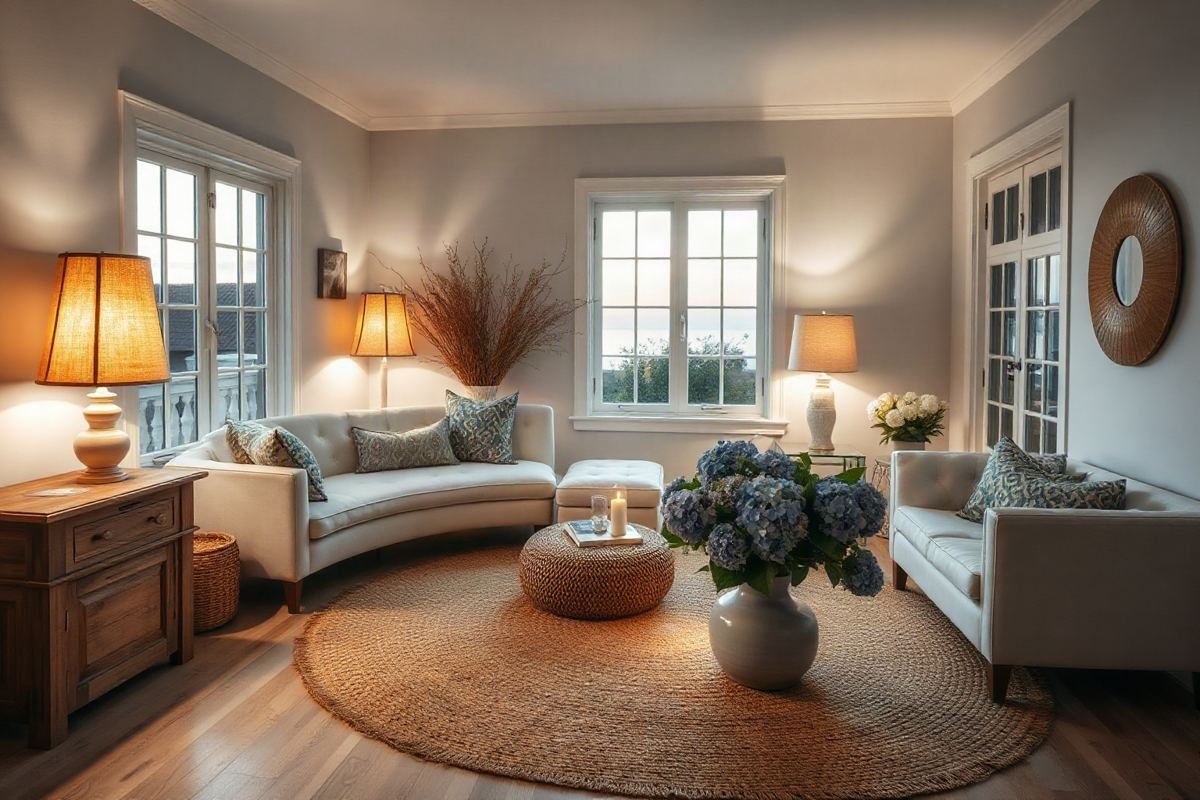
The defining 2026 coastal grandmother decor trends are soft, relaxed and made for hosting. Expect slipcovered linen sofas, blue-and-white ceramics, whitewashed shiplap and beadboard, natural fiber rugs, hydrangeas, wicker seating, breezy linen curtains, brass lanterns, botanical and seascape art, weathered wood, tray-ready kitchens, reading nooks, ginger jar lamps and practical entries.
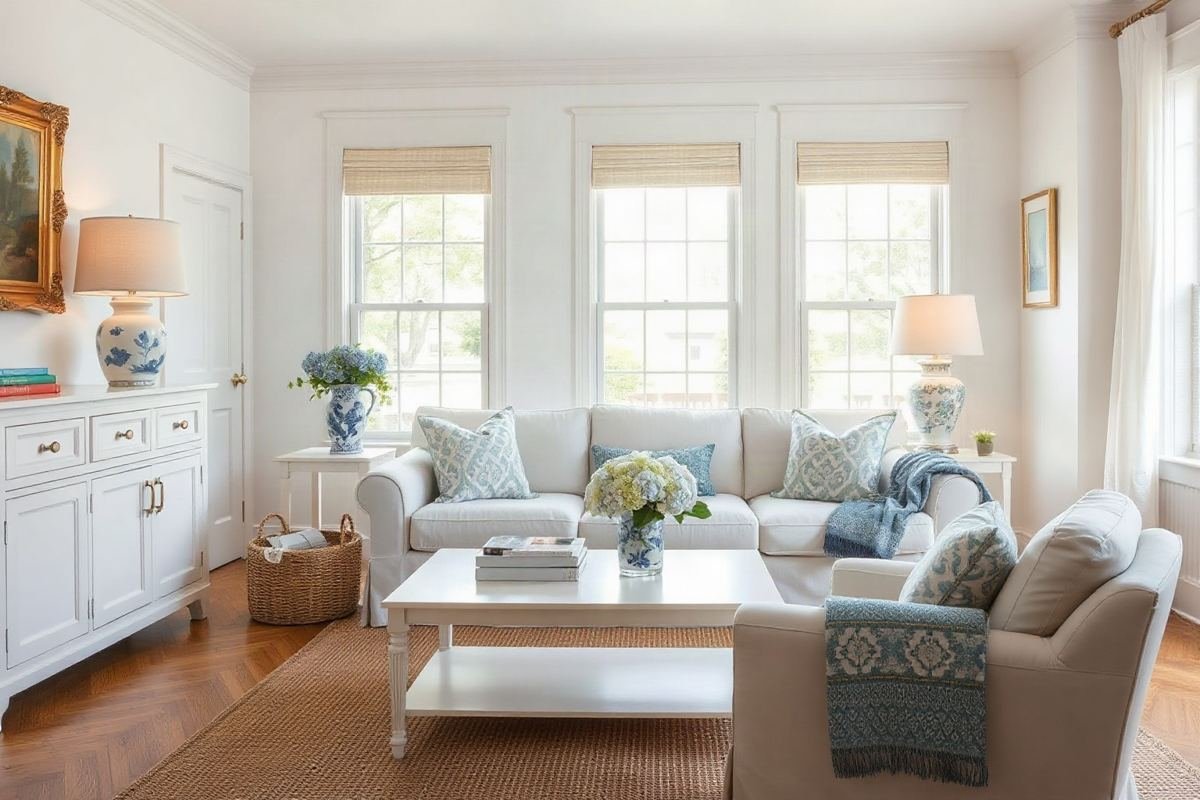
Coastal grandmother decor grew from a simple idea: a home should feel gracious without being fussy. It borrows the calm colors of the shore and the unhurried habits of a well-run family house, such as fresh flowers, linen, and a kettle always ready. In 2026 it has settled into a lasting, practical style. Whether you live by the water or a hundred miles inland, the ideas are easy to adapt to your own rooms and routines.
This guide gathers the main directions into one playbook. For each of the 14 looks you will find what it is, why it works, how to do it in a real home, the budget options and the mistakes to avoid. At the end are combination rules, a budget table, a step-by-step plan, room-size advice and an FAQ.
The Big Picture: Why Coastal Grandmother Decor Is Changing in 2026
Three forces explain almost every trend below.
- Comfort over performance. People want rooms that feel easy to live in. Slipcovers, deep seats and durable natural fibers mean nobody needs to worry about a spill, which makes the home feel relaxed and welcoming.
- Quiet, timeless color. After seasons of bold, high-contrast decor, calm whites, blues and soft neutrals feel restful. They also tend to date more slowly, which appeals to anyone tired of redecorating every few years.
- Hospitality as a design idea. The style is built for hosting: flowers on the table, a pitcher at hand, a tray ready, a spare cozy corner. It focuses on making people feel looked after, which is the point of a home.
When you decide whether a look suits you, ask three questions. Is it comfortable, is it calm, and does it make guests feel welcome? If it fails all three, leave it out.
Slipcovered Linen Sofas
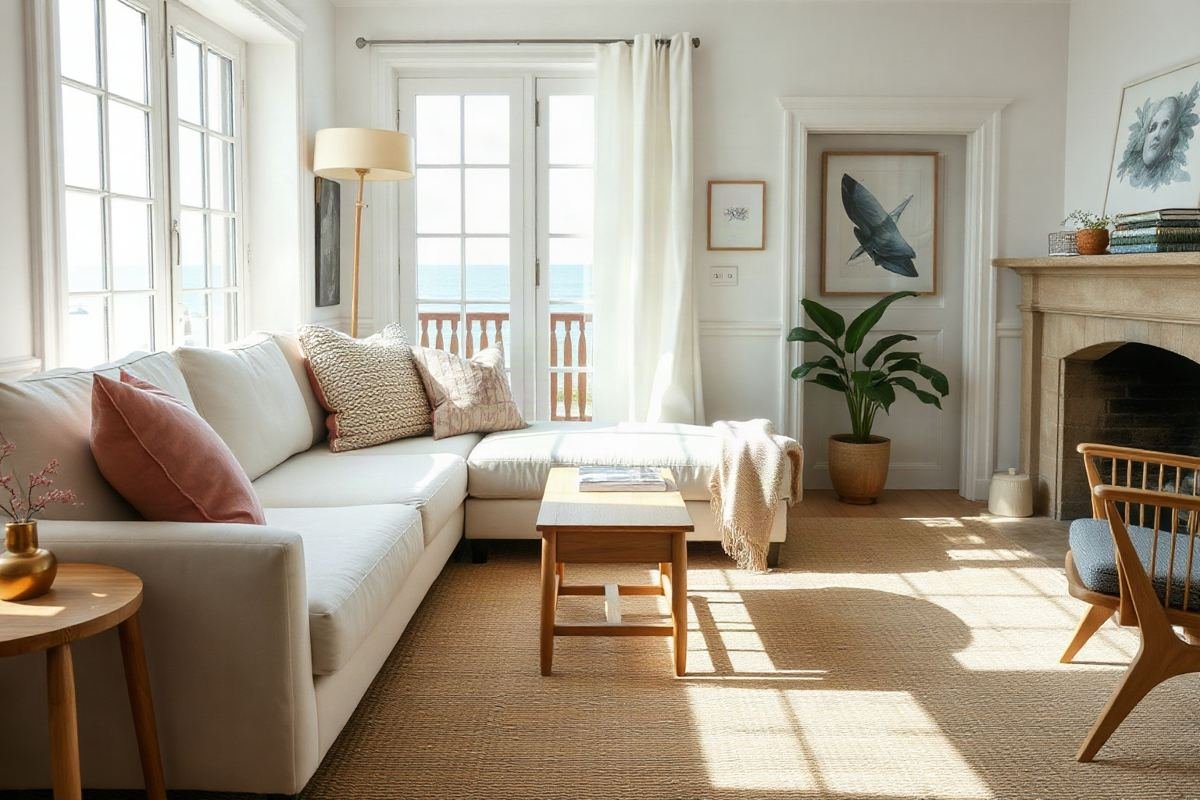
A deep, comfortable sofa dressed in a loose white or oatmeal linen slipcover is the center of the coastal grandmother room. The cushions are soft, the arms rolled, and a few wrinkles are welcome.
Slipcovers can be washed, so family, pets and sandy feet are less worrying. The relaxed shape says the room is for sitting, and the pale color keeps the whole space bright and calm.
- Choose washable fabric. Heavy linen or cotton-linen blends launder well and soften over time.
- Pick a deep seat. A seat depth of around 38 to 42 inches suits curling up with a book.
- Keep colors light. White, cream, oatmeal and pale blue-gray reflect light and suit coastal views.
- Add a second cover. Having two slipcovers means one is always clean for guests.
- Layer with throws. A cable-knit or cashmere throw adds warmth and texture without clutter.
Budget options: Ready-made slipcovers for existing sofas are inexpensive and effective. Wash new linen before fitting to pre-shrink it.
Mistakes to avoid: Choosing a slipcover that is too tight, which loses the relaxed look, and skipping pre-washing so the fabric shrinks the first time it is cleaned.
Blue and White Ceramics
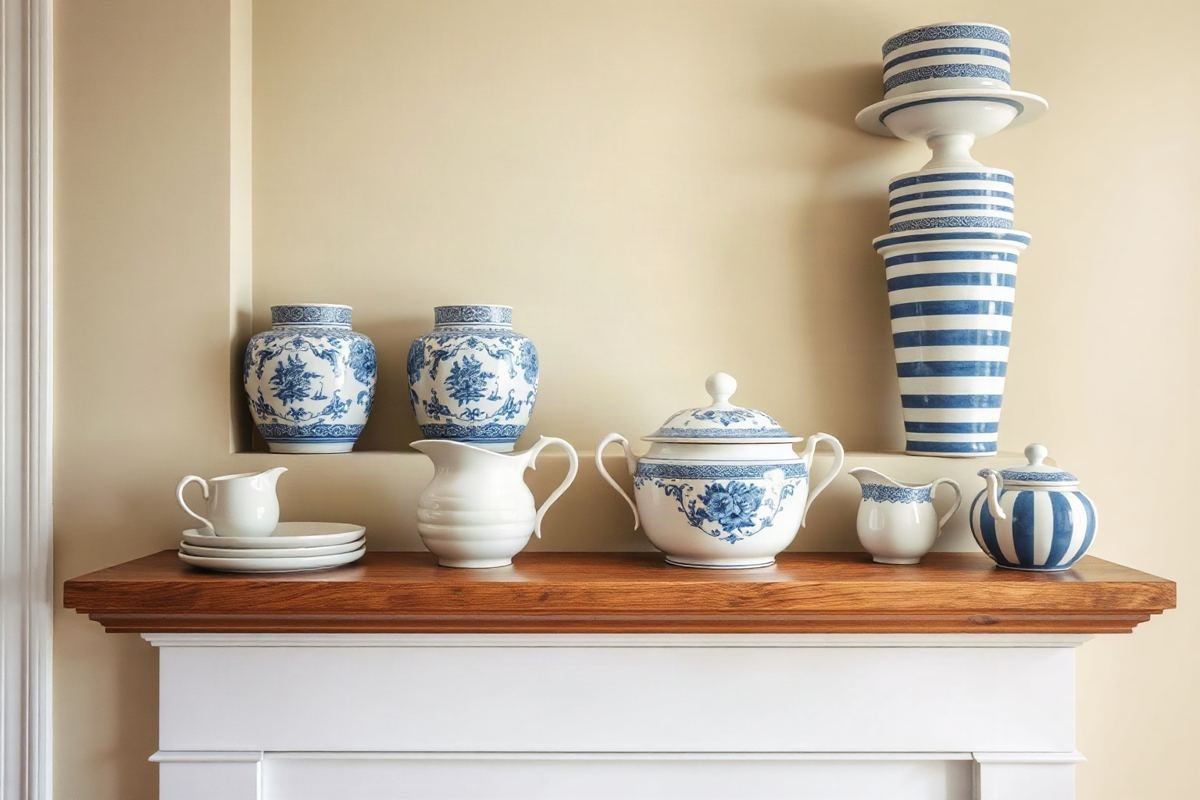
Blue-and-white porcelain, striped pitchers, ginger jars and painted plates are signature accessories. They are displayed on mantels, shelves and dining tables, often grouped in sets of different shapes.
Blue and white is a timeless pairing that evokes sea and sky. It works in any season and feels both crisp and traditional, and the pieces make a room feel collected over years.
- Group by color. Blue-and-white pieces in different patterns look unified because of the shared palette.
- Use them daily. Serve from tureens, pitchers and platters instead of keeping them behind glass.
- Mix patterns. Stripes, florals and checks all sit together when blue and white are the only colors.
- Fill a wall. A collection of plates hung on a wall makes a quick feature.
- Add fresh flowers. Place hydrangeas or garden flowers in a ginger jar or a plain pitcher.
Budget options: Thrift shops, estate sales and flea markets often sell blue-and-white porcelain for modest prices. Tableware sets can be mixed by color.
Mistakes to avoid: Buying a perfectly matching set of reproduction pieces, mixing in several competing colors, and crowding the display so nothing has room.
Soft Whites, Shiplap and Beadboard
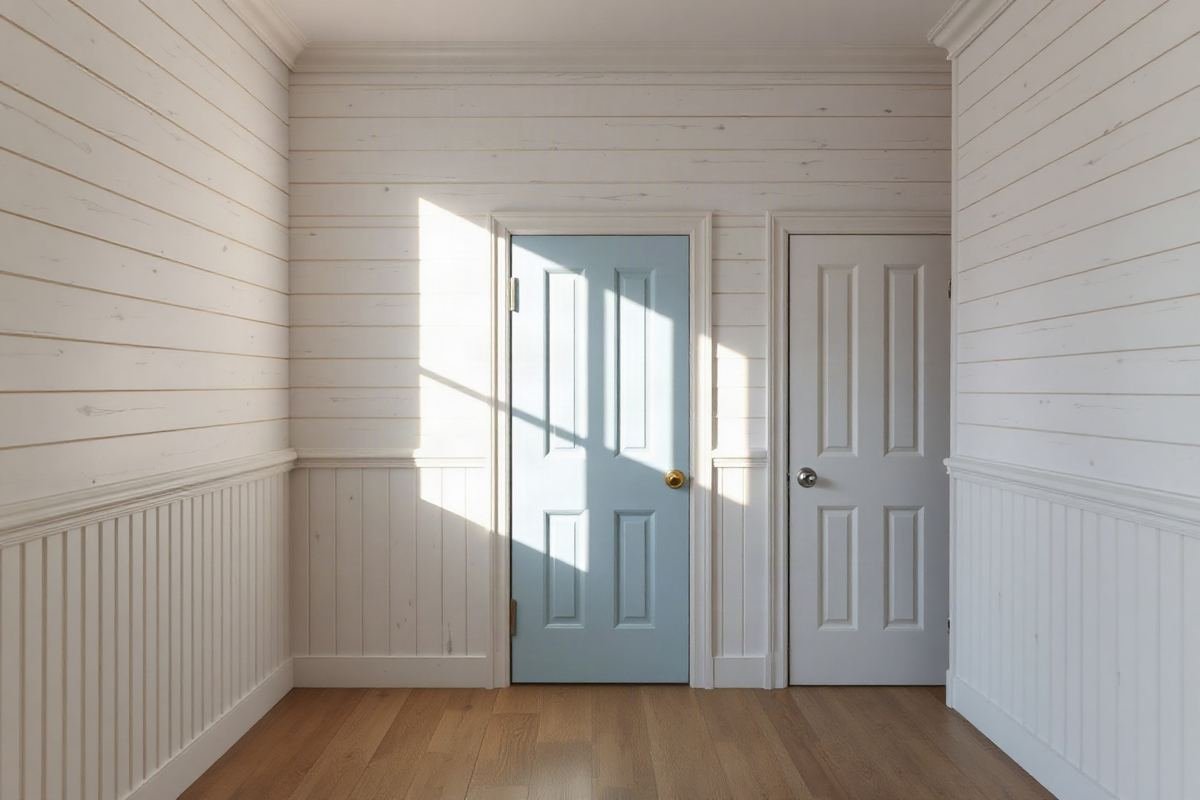
Painted wood paneling, such as shiplap, beadboard and tongue-and-groove, in soft whites and pale blues gives walls texture. The finish is matte or satin and the effect is a gentle seaside cottage feel.
Paneling brings quiet detail without pattern. The soft colors bounce light around, and the texture protects walls in busy areas like halls and kitchens.
- Choose warm whites. Cream or soft white with a hint of warmth feels welcoming, while stark white can look cold.
- Add a pale accent. Paint a door, ceiling or trim in sea glass, powder blue or soft sage.
- Panel halfway. Wainscoting to chair-rail height adds charm and keeps the room from feeling cramped.
- Keep the finish soft. Matte or eggshell finishes show fewer flaws than gloss.
- Paint the ceiling. A haint blue or soft white ceiling adds a sky-like effect.
Budget options: Beadboard sheets and primed MDF planks are cheap and easy to paint. A single wall of paneling in a bedroom makes a strong change.
Mistakes to avoid: Using a stark, cold white against warm wood floors, painting in high gloss that highlights imperfections, and putting paneling in damp spaces without proper sealing.
Natural Fiber Rugs and Baskets
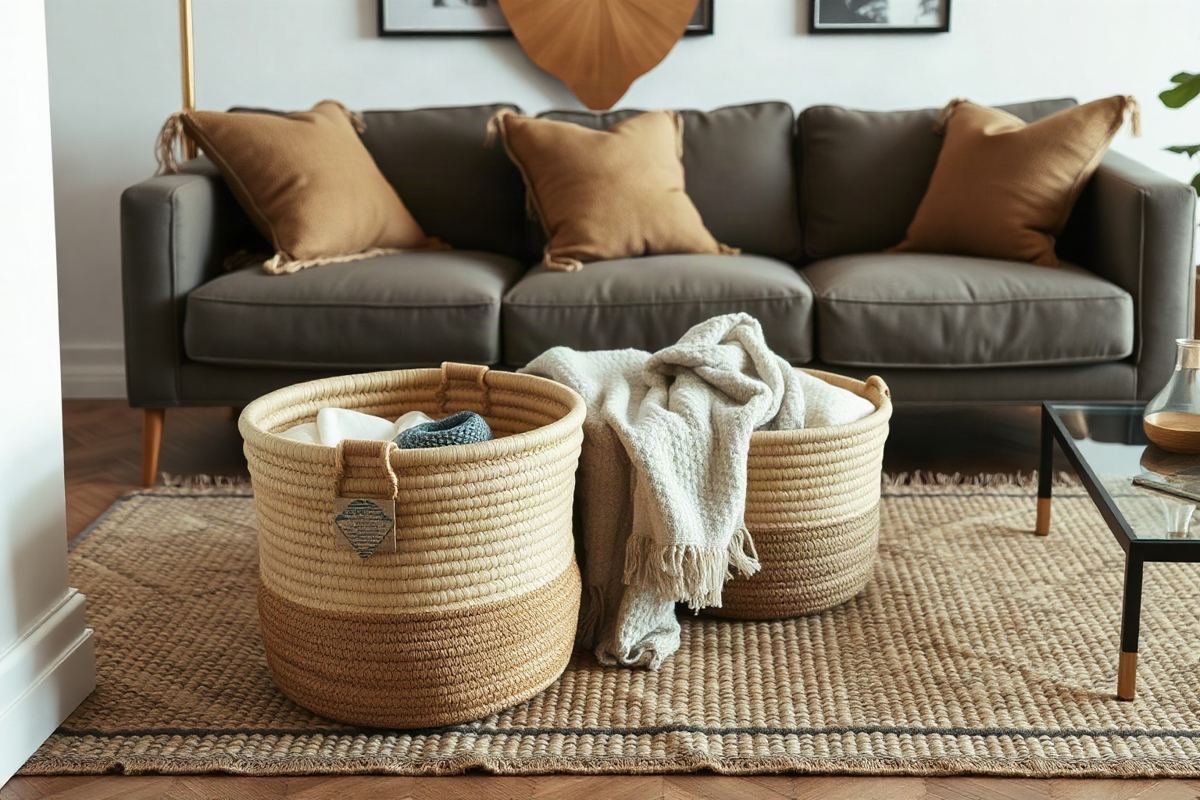
Sisal, jute and seagrass rugs, woven baskets and rattan trays are the foundation layer. Their neutral color and rough texture support the pale furniture and add depth underfoot.
Natural fibers add warmth and coastal character without adding color. They are durable and forgiving, and they make a cozy base for layering other textiles.
- Choose the right fiber. Sisal is durable, jute is softer and seagrass is stain-resistant, so match fiber to the room.
- Layer a smaller rug. A cotton or wool rug on top of jute softens the feel and adds pattern.
- Add large baskets. Use big baskets for throws, magazines and toys to keep the room neat.
- Use trays. A woven tray on an ottoman or coffee table corrals remotes and candles.
- Mind spills. Natural fibers can stain, so treat quickly or choose a cotton-blend rug for dining areas.
Budget options: Jute rugs are among the most affordable large rugs. Baskets from thrift stores or markets work well and are easy to find.
Mistakes to avoid: Putting delicate jute where it will get wet, choosing a rug too small for the furniture, and buying plastic imitation fibers that look cheap.
Hydrangeas and Garden-Fresh Flowers
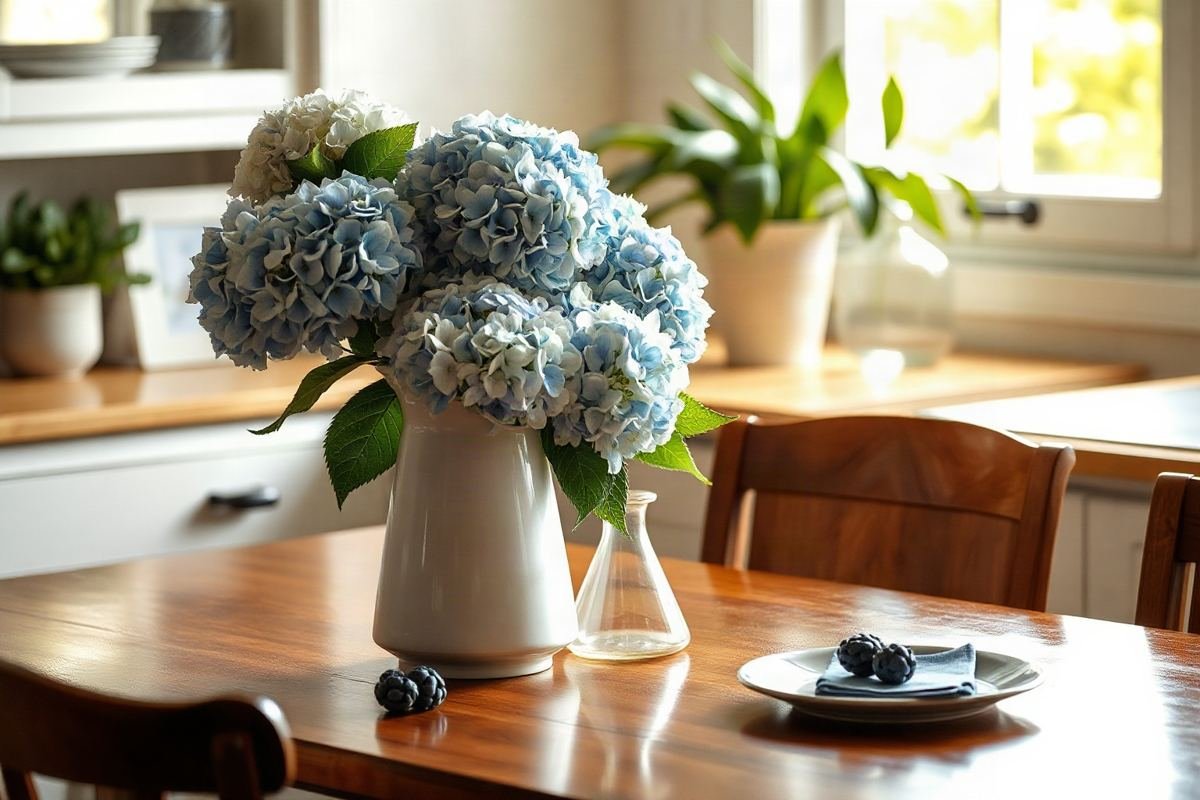
Hydrangeas, peonies, dahlias, garden roses and wildflowers in simple vases and jugs are the finishing touch. Arrangements look cut from the garden, loose and a little wild, not stiff florist bouquets.
Flowers bring life, scent and seasonal color to a mostly neutral room. Because the container is simple, it is the flowers that do the talking, and the arrangement can change weekly.
- Use simple vessels. White pitchers, glass jars and ginger jars let flowers be the star.
- Cut stems short. Arrange blooms so they sit low and full, ideal for a dining or coffee table.
- Pick one flower type. A single flower, such as hydrangea, in several vases looks calm and polished.
- Include greenery. Add branches or foliage from the garden to fill out an arrangement cheaply.
- Try dried flowers. Dried hydrangea and grasses last through winter and keep the look going.
Budget options: Grow a few hydrangeas or buy grocery store bunches and arrange them yourself. Dry stems upside down for months of free decor.
Mistakes to avoid: Placing tall arrangements where they block conversation, mixing too many colors, and forgetting to change the water every two days.
Wicker, Rattan and Porch-Style Seating
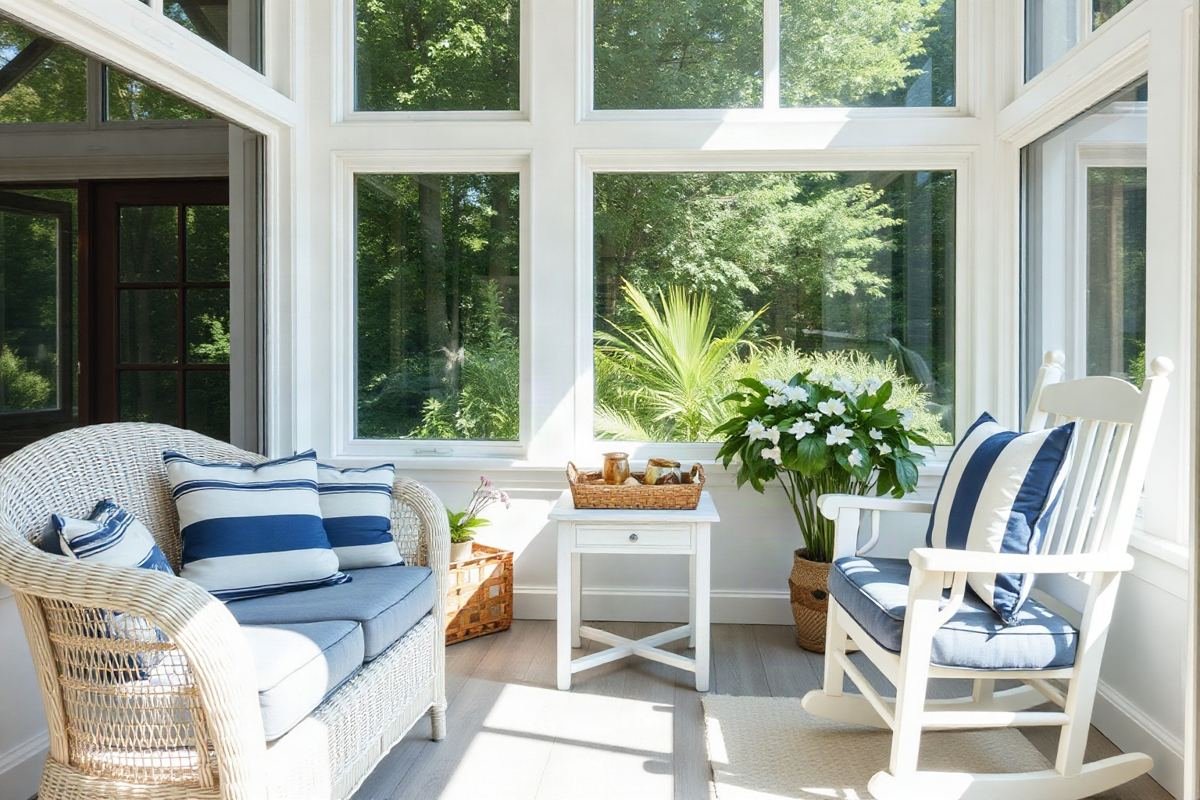
Wicker armchairs, rattan side tables, painted rockers and porch furniture move indoors. They are often painted white or left natural and topped with striped or solid cushions.
These pieces are light, easy to move and informal. They add texture and a holiday feeling, and they suit sunrooms, porches, bedrooms and breakfast nooks.
- Add soft cushions. Thick seat cushions in blue, white or ticking stripe make wicker comfortable.
- Paint if needed. A fresh coat of white or soft gray revives old wicker.
- Use a rocking chair. A rocker on a porch or in a bedroom corner adds a nostalgic note.
- Keep it dry. Natural wicker should stay away from constant dampness, so choose weatherproof resin for outdoors.
- Add side tables. A small rattan or bamboo table beside each chair holds a drink and a book.
Budget options: Secondhand wicker is plentiful and cheap, and spray paint and new cushions make it look new.
Mistakes to avoid: Using uncomfortable wicker without cushions, spray painting without cleaning first, and placing natural wicker in a very damp area.
Breezy Linen Curtains and Shutters
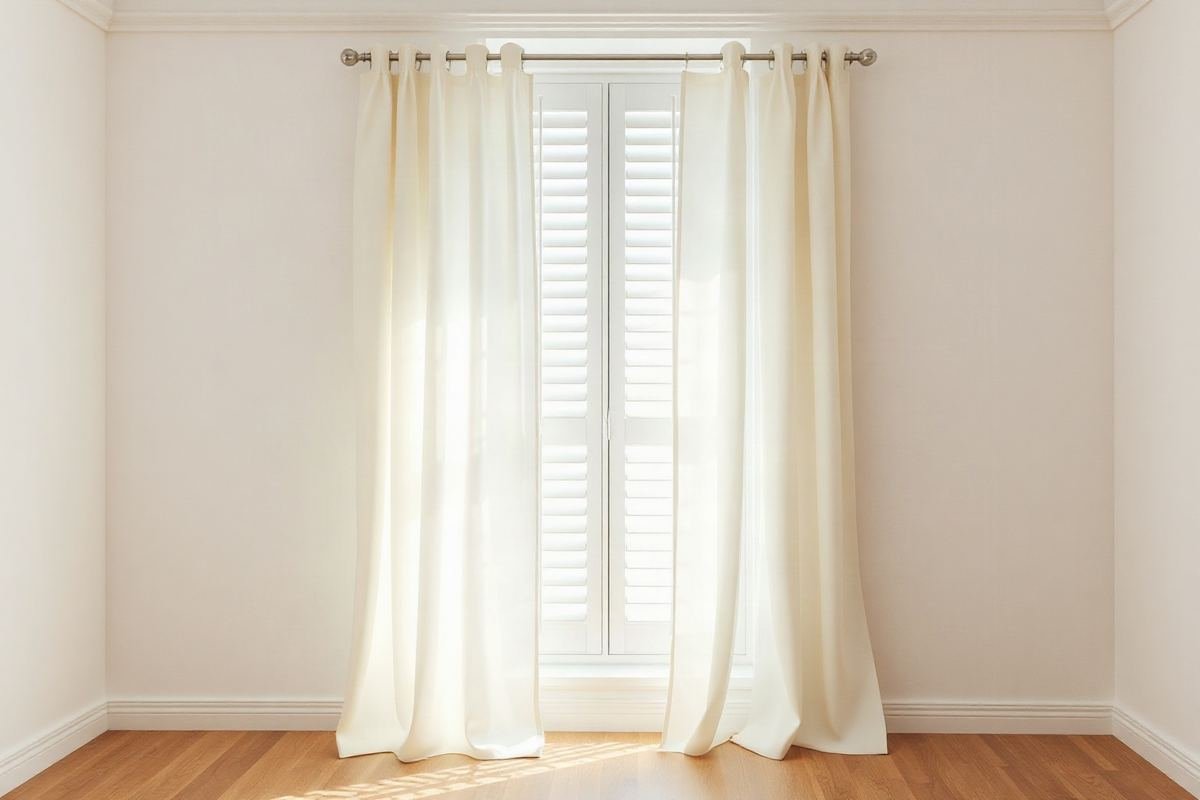
Floor-length linen curtains in white or cream, plantation shutters and simple woven shades frame the windows. They let light in and breeze through while softening the glass.
Window treatments are the biggest soft element in a room. Light linen filters sunlight in a gentle way and gives the room the airy mood that defines the style.
- Hang them high and wide. Mount the rod near the ceiling and extend it past the frame for height.
- Choose real linen. Linen has a natural drape and softens beautifully with washing.
- Use shutters for privacy. White plantation shutters give control of light and a traditional coastal look.
- Keep them full. Use fabric about two times the width of the window for a relaxed gather.
- Let them puddle slightly. A small break at the floor suits the unfussy feel, but keep it tidy.
Budget options: Ready-made linen-look panels and clip rings are inexpensive. Hem or hang them at the right length to look custom.
Mistakes to avoid: Hanging curtains too short, choosing thin curtains that do not drape, and using heavy lining that blocks the light.
Lanterns, Brass and Candlelight
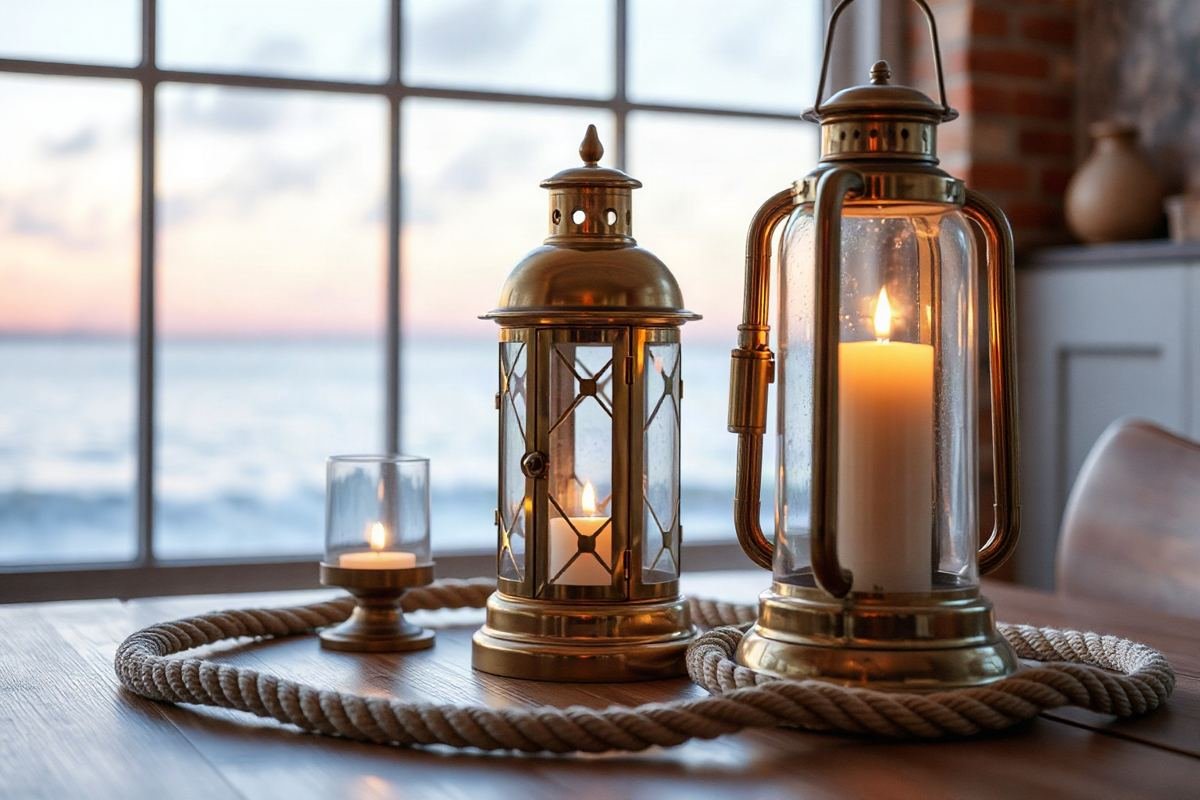
Hurricane lanterns, brass ship-style lights, candlesticks and glass hurricanes add a soft evening glow. Metals are usually aged brass or nickel, and finishes are slightly worn.
Candlelight and warm metal soften the pale palette and give rooms evening character. The nautical hints are subtle and add history without being themed.
- Use lanterns on tables. A large lantern on a coffee table or porch brings light and shape.
- Choose aged metals. Unlacquered brass and brushed nickel look best with white and blue.
- Group candles. Cluster candles of different heights on a tray for instant atmosphere.
- Add wall sconces. A plug-in sconce with a linen shade gives warm light without hardwiring.
- Stay subtle. Use one or two nautical details, such as a rope handle or brass porthole mirror.
Budget options: Glass hurricanes and candlesticks are cheap at thrift shops. Brass polish or leaving it aged are both acceptable.
Mistakes to avoid: Overdoing the nautical theme with anchors and shells, leaving flames unattended, and using bright white LED bulbs that cool the room.
Seascapes, Botanicals and Vintage Art
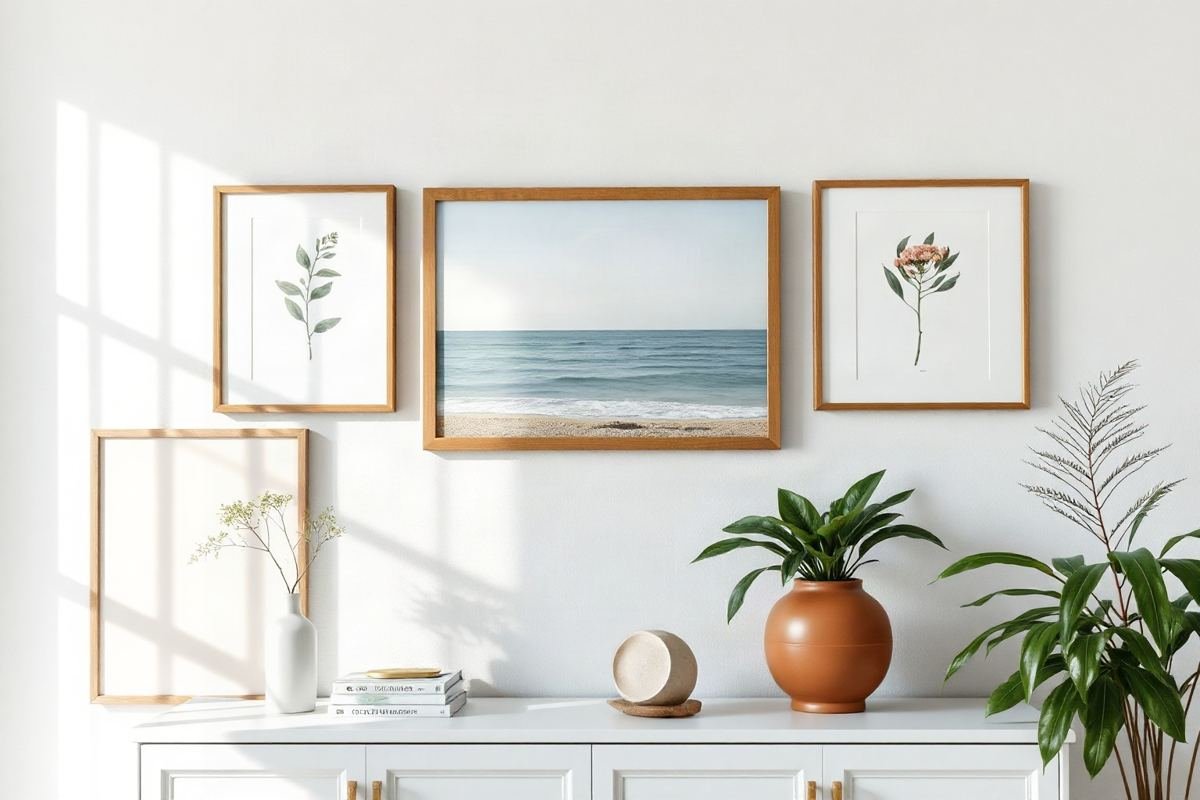
Framed botanical prints, soft seascapes, vintage charts and watercolor sketches hang in white or thin wood frames. The scenes are gentle and the colors are muted.
Art in this style adds story and softness. Botanicals and seascapes suit the palette, and old frames and paper bring a lived-in, collected quality.
- Choose muted colors. Soft blues, greens and sandy tones suit the room and calm the view.
- Use mats. Wide white mats make small prints look more important and give each piece breathing space.
- Hang in pairs or grids. Matching botanicals in a pair or four-up grid look neat and traditional.
- Add one large piece. A big seascape above a sofa or mantel gives a focal point.
- Include a mirror. A rope-framed or simple mirror reflects window light and brightens the wall.
Budget options: Print public domain botanical drawings and frame them in thrifted frames. Repaint old frames in one color to unify them.
Mistakes to avoid: Choosing bright, loud art that fights the palette, hanging pieces too high, and using mismatched frame colors without a plan.
Weathered Wood and Driftwood Touches
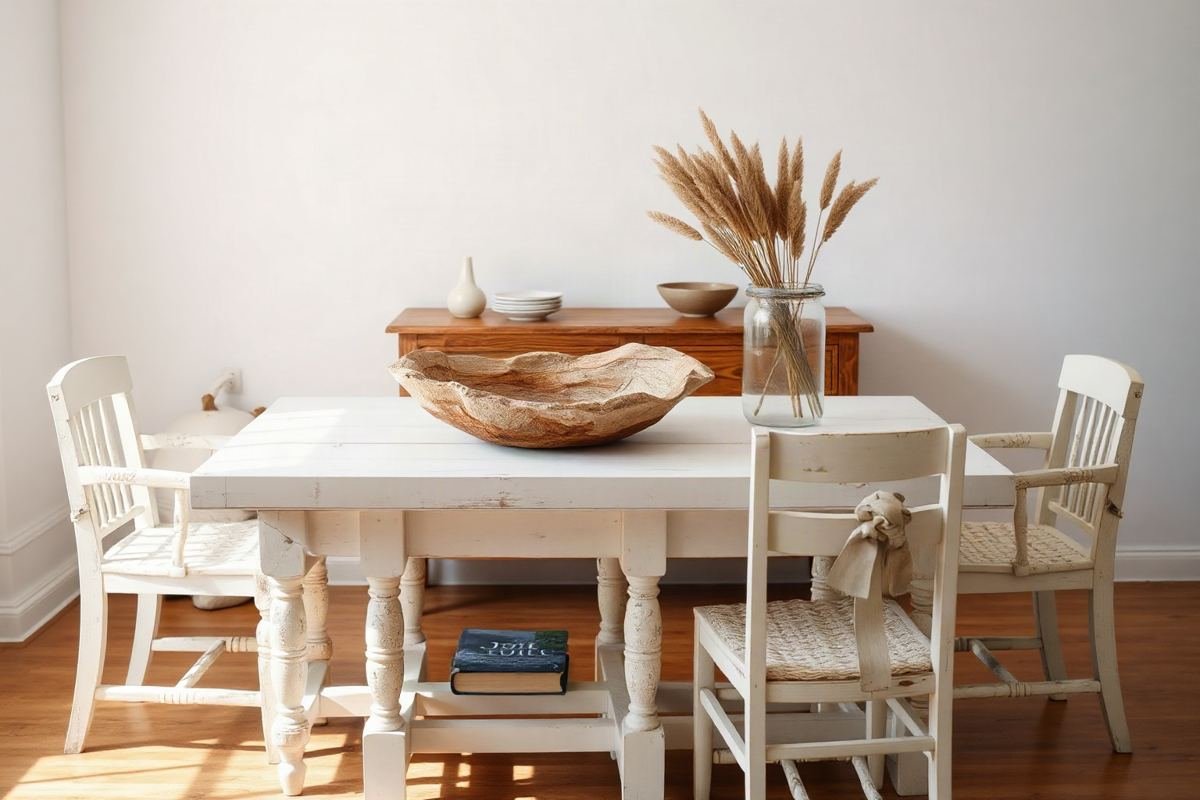
Whitewashed or weathered wood tables, reclaimed beams, driftwood sculptures and worn painted furniture add depth. The finish looks sun-bleached and aged, not new.
Weathered wood brings in the coast without cliches. It is forgiving of scratches, adds warmth and balances the many white and pale surfaces.
- Choose a pale finish. Limed, whitewashed and gray-washed woods give the sun-bleached look.
- Use a farmhouse table. A big table with weathered chairs is made for long lunches.
- Add driftwood as sculpture. One piece on a console is enough for a coastal nod.
- Keep metals soft. Pair with brushed nickel, aged brass or black iron.
- Leave wear visible. Dings and chips add character, so avoid fussing over them.
Budget options: Limewash, whitewash and wax can transform old furniture. Collect driftwood and shells from beach walks instead of buying.
Mistakes to avoid: Using orange-toned wood with the pale palette, overusing driftwood so it looks like a gift shop, and sealing wood with a plastic gloss.
The Hospitable Kitchen and Tray Service
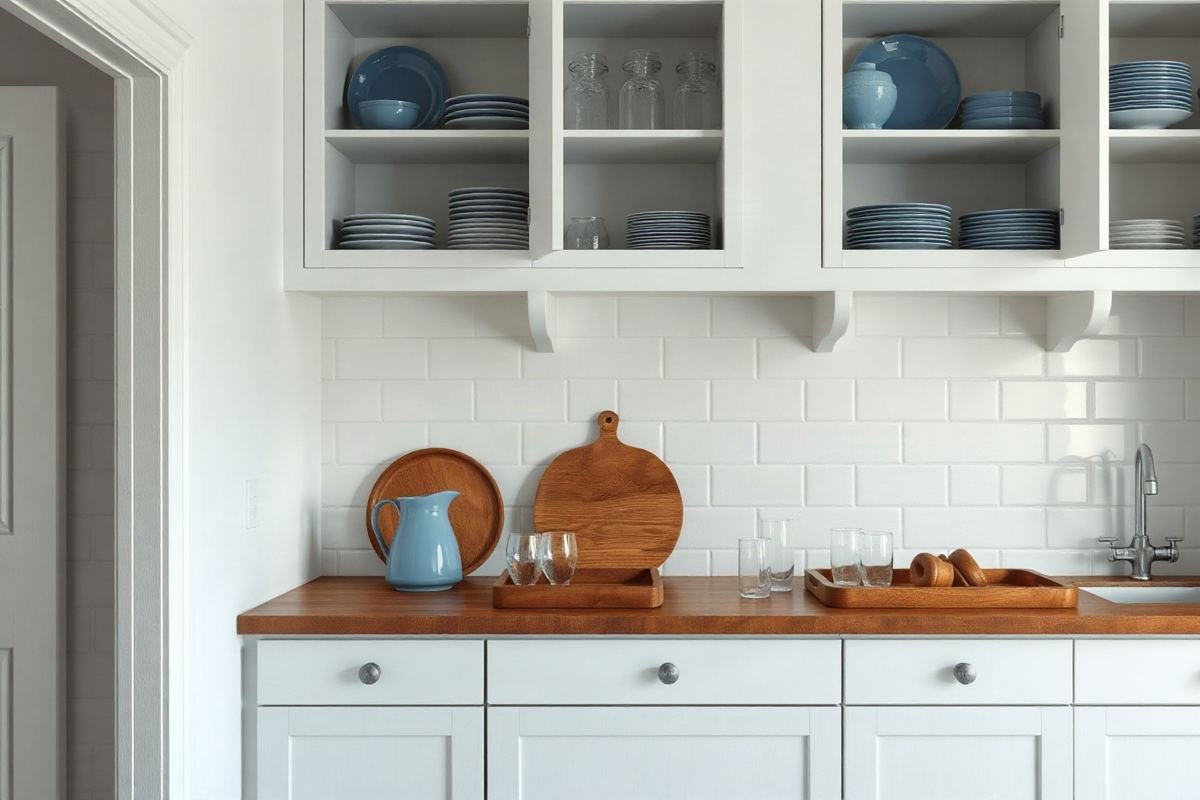
White or pale kitchens with open shelves, cookbooks, pitchers, serving trays and a small bar cart make it easy to host. Everything is ready for guests, and the room feels generous.
The style is about easy hospitality. Being able to bring out lemonade, a casserole or a pot of tea in a moment is as much a part of the look as the paint.
- Keep serving pieces in sight. Pitchers, platters and glasses on open shelves are ready for guests.
- Set up a tray. A tray with a pitcher and glasses on a sideboard or ottoman invites guests.
- Add a bar cart. A cart with glasses and a few bottles or a tea setup is a flexible serving station.
- Choose simple cabinetry. White or soft blue shaker cabinets with nickel hardware are timeless.
- Stack the cookbooks. Cookbooks on a counter or shelf add color and personality.
Budget options: Thrifted trays, pitchers and glasses cost little. Painting existing cabinets white or soft blue is the best-value kitchen change.
Mistakes to avoid: Overstocking the cart so it cannot be used, choosing open shelves without a plan for dusting, and ignoring practical counter space.
Cozy Reading Nooks
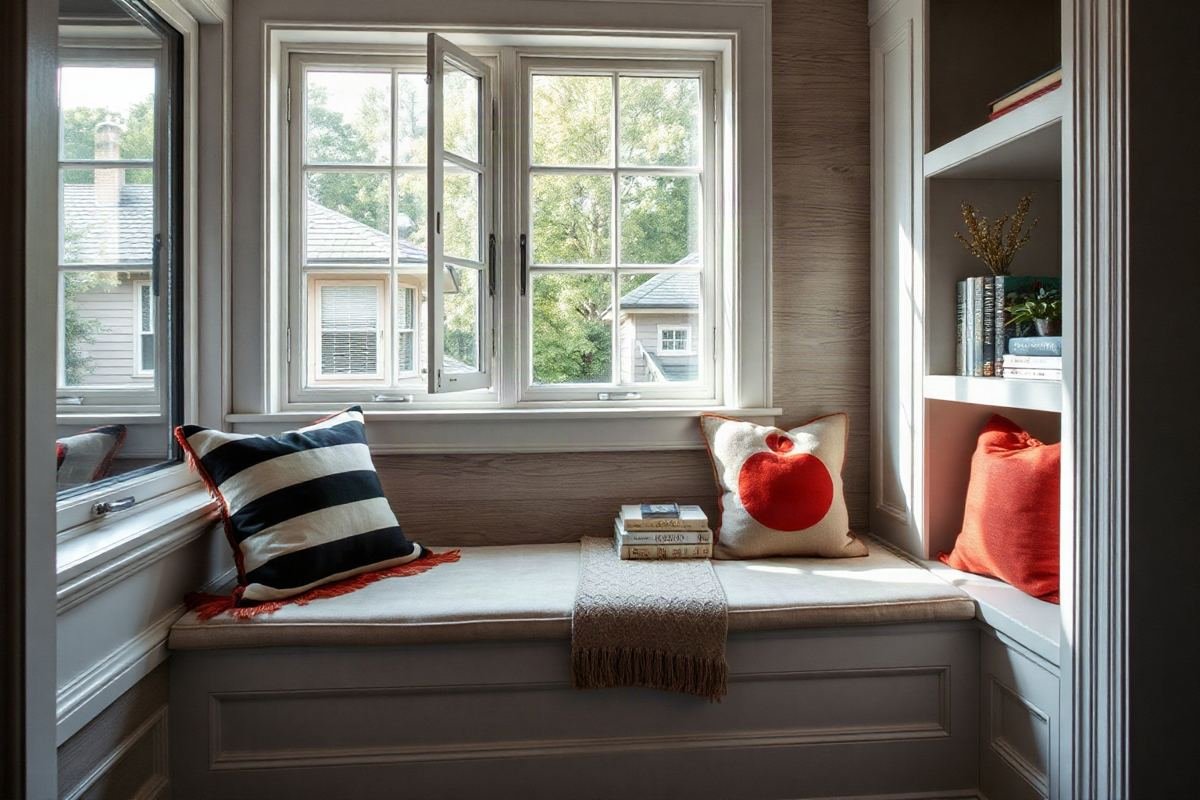
A window seat, an armchair by a shelf or a corner with a lamp and a throw becomes a reading nook. Bookshelves are filled with real books, and cozy knits are always near.
These nooks invite slowing down, and give a room a second function without needing extra space. They are also a place to display books and collections.
- Use a window seat. A cushioned bench under a window with storage below is both seat and bed.
- Add a good lamp. A swing-arm or table lamp with a linen shade supports reading.
- Layer knit textiles. Cable-knit and wool throws in cream and gray add comfort.
- Stock real books. Display books you read, with a few objects mixed in.
- Add a side table. A small table holds tea and glasses without crowding.
Budget options: A secondhand armchair, a floor lamp and a thrifted throw create a nook in an hour. Cushion covers from old linens add pattern.
Mistakes to avoid: Placing the nook where light is poor, using decorative-only books, and choosing a chair that looks nice but is uncomfortable.
Ginger Jar Lamps and Soft Lighting
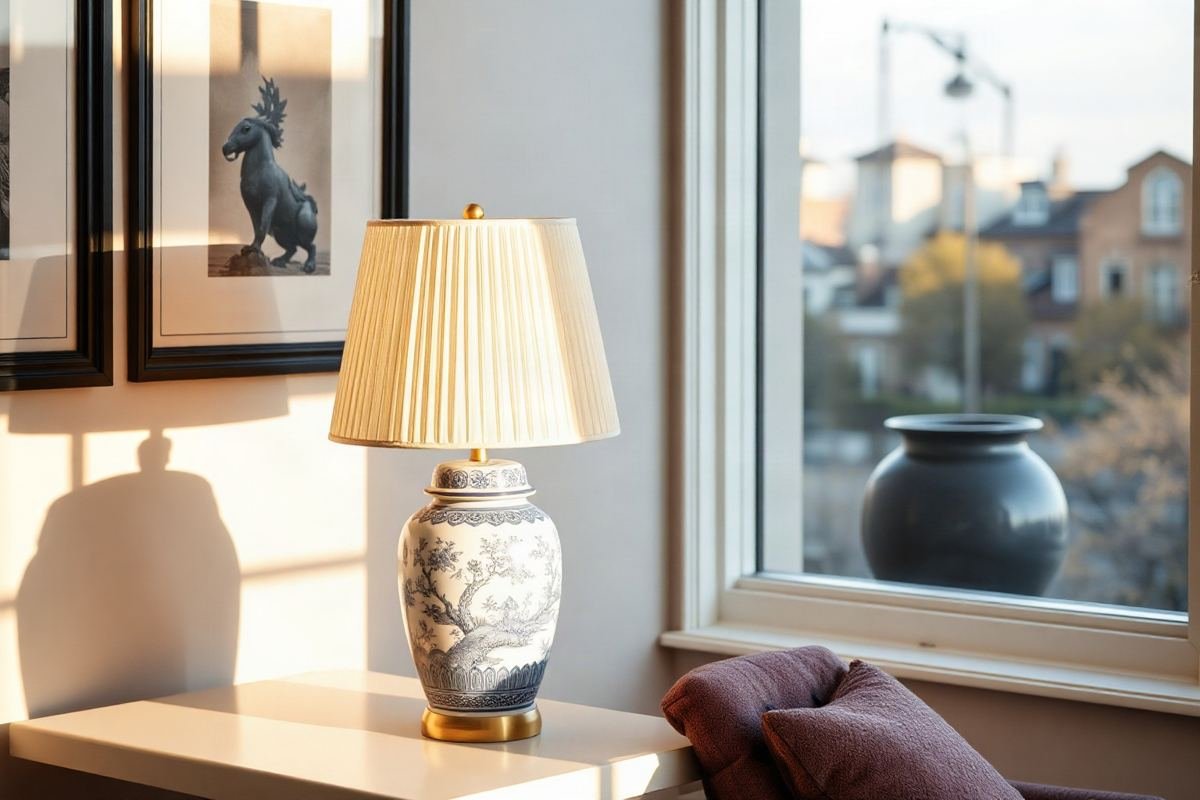
Ginger jar lamps, glass bottle lamps and lamps with pleated linen shades are classic. They are placed in pairs on consoles, nightstands or sideboards for a symmetrical, welcoming glow.
Lamps create pools of warm light, which flatter pale walls and linen. A pair of matching lamps also adds order and a traditional feel to a casual room.
- Use pairs. Two matching lamps on a console, sideboard or either side of a bed look balanced.
- Pick linen shades. Pleated or drum shades in white or cream diffuse light softly.
- Size the shade correctly. The shade should be around two thirds the height of the lamp base.
- Choose ceramic bases. Blue-and-white, white and glass bases suit the style.
- Add dimmers. Dimmable lamps and bulbs let you control mood during the day and evening.
Budget options: Thrifted lamp bases with new shades look instantly updated. Rewire or buy new cords if the old ones are worn.
Mistakes to avoid: Choosing shades that are too small, using harsh white bulbs, and leaving the room lit only from the ceiling.
The Practical Entry and Mudroom
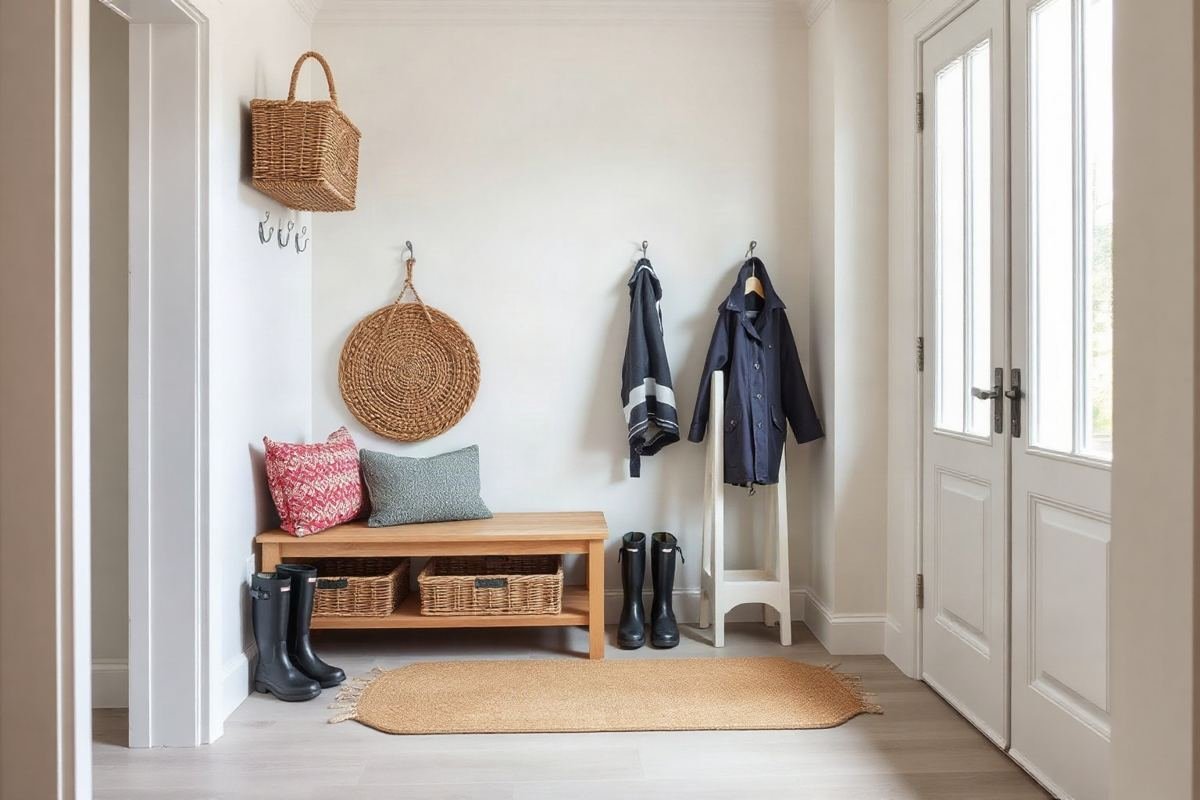
An entry with a bench, wall hooks, baskets and a mat is set up for beach days, garden walks and wet weather. It is casual and practical, and it matches the relaxed feel of the rest of the home.
A house that expects wet boots and sandy feet is a house people feel comfortable in. Good storage keeps clutter away and lets the rest of the home stay serene.
- Add hooks. A row of hooks at adult and child height holds coats, bags and towels.
- Use a bench. A bench with baskets underneath makes sitting to take off shoes easy.
- Choose a washable mat. A durable outdoor mat or runner takes mud and sand.
- Store by person. Give each family member a basket or hook to keep things sorted.
- Keep it pretty. Add a mirror, a small lamp and a bunch of flowers so the entry feels welcoming.
Budget options: Basic wall hooks, a thrifted bench and baskets from a discount store make a complete system for under a hundred dollars.
Mistakes to avoid: Making the entry too small to use, overloading hooks, and using delicate floor coverings that cannot handle mud.
What Is Going Out in 2026
- Fading | Replacing it
- Stark white and cool gray | Warm white, cream and soft blue
- Trendy matching furniture sets | Slipcovered and collected pieces
- Theme-park nautical decor | One or two subtle coastal details
- Fake flowers and plastic plants | Fresh and dried garden flowers
- Synthetic shag rugs | Sisal, jute and seagrass
- Heavy blackout drapes | Light linen and shutters
- Glossy laminate surfaces | Weathered wood and soft finishes
- Recessed lighting only | Pairs of lamps and candlelight
How to Combine Trends Without Making a Mess
With so many soft, pretty elements, it is easy to tip into a theme. Use these rules to keep the room calm and personal.
Rule 1: Keep to two main colors. Use white or cream with one blue and repeat both everywhere so the room reads as calm.
Rule 2: Choose washable fabrics. Pick slipcovers, linen curtains and cotton rugs you can clean so the room stays relaxed.
Rule 3: Use pairs. Pairs of lamps, chairs or vases give order that balances the casual textures.
Rule 4: Add natural texture in layers. Use at least three: linen, wood and fiber, so the pale room does not feel flat.
Rule 5: Go light on theme. Choose one nautical accent per room, not five, to avoid a gift shop look.
Rule 6: Edit at the end. Remove one decorative item from each surface and keep flowers as the finishing touch.
Three Sample Combinations
The Seaside Sitting Room: A white slipcovered sofa, a jute rug, a pair of ginger jar lamps, a seascape and hydrangeas in a pitcher.
The Porch Retreat: Wicker armchairs, striped cushions, a weathered table, lanterns and linen curtains moving in the breeze.
The Host’s Kitchen: White shaker cabinets, open shelves of blue plates, a bar cart, a farmhouse table and a pitcher of garden flowers.
Budget Guide
- Budget | Where to spend | Where to save
- Under $300 | Linen cushion covers, a pitcher and flowers, a lamp shade, paint for one piece of furniture | Everything else: use furniture and dishes you own
- $300 to $1,500 | A jute rug, linen curtains, a pair of lamps, a wicker chair | Thrifted ceramics, baskets and framed prints
- $1,500 to $5,000 | A deep slipcovered sofa, a farmhouse table, shutters or custom drapes | Mix vintage and secondhand, paint existing cabinets
- $5,000+ | Custom paneling, kitchen cabinetry, built-in window seat, quality upholstered seating | Accessories and art, which can be collected slowly
Smart buying tips:
- Put money into what you sit on and what you cannot change easily: sofas, tables, paneling and window treatments. Add accessories later.
- Choose washable and repairable fabrics first, because a calm room that is stained stops feeling calm.
- Secondhand shops and estate sales have porcelain, wicker, lamps and tables that suit this style better than new stores.
Step-by-Step 2026 Coastal Grandmother Decor Refresh
- Define how you host. List the top three ways you use the room, such as reading, lunch with friends and weekend guests.
- Choose three mood words. Easy, bright and welcoming should guide each purchase.
- Declutter and clean. Clear surfaces and windows to let light in.
- Pick your two colors. Choose white or cream and one blue and test paint samples on two walls.
- Start with seating. Choose a comfortable sofa or chairs with washable covers.
- Fix the layout. Create a conversation group and leave 30 to 36 inches for walkways.
- Paint and panel. Refresh walls, add beadboard or paint trim and ceilings in soft shades.
- Lay the base. Add a natural fiber rug and window treatments.
- Layer the lighting. Place lamps in pairs, add candles and use warm dimmable bulbs.
- Add flowers, art and ceramics. Hang botanicals and set out blue-and-white pieces.
- Edit and live in it. Use the room for two weeks and adjust anything impractical.
Styling the Trends by Room Size and Layout
Trends behave differently depending on the room you have. Here is how to adapt the ideas above to the space you actually live in.
Small Coastal Rooms (under 150 sq ft)
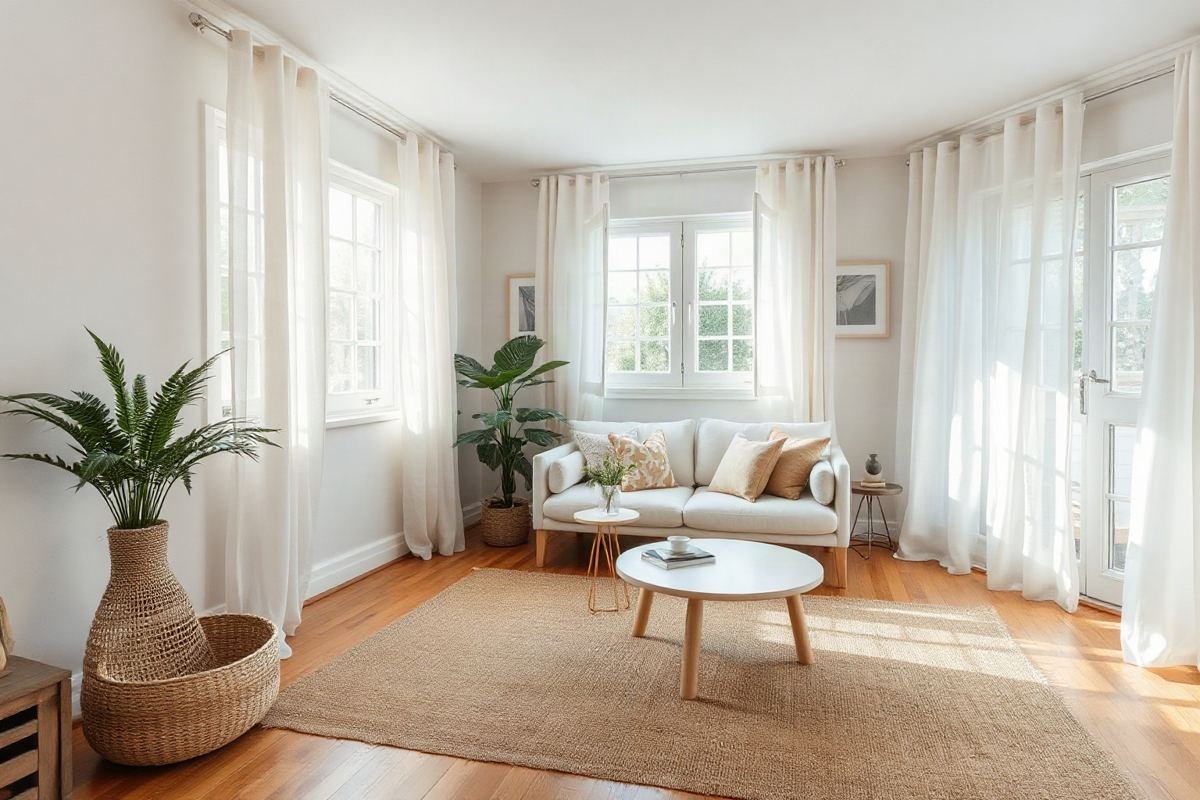
Keep the palette pale. White and cream walls with one blue accent make the room feel bigger.
Choose a compact sofa. A slipcovered loveseat or apartment sofa suits small rooms.
Use mirrors. A framed mirror opposite a window doubles the light.
Hang curtains high. Mount rods near the ceiling to add height.
Choose one hero. A single pair of lamps or one big seascape is enough.
Add a window seat. A cushioned bench under the glass gives a small room an extra seat, storage and a view.
Open-Plan Homes
Define zones with rugs. Use a jute rug under the sofa and a runner in the kitchen.
Repeat colors. Carry blue and white through every zone for harmony.
Use furniture to divide. A console or bookshelf behind the sofa separates spaces and adds storage.
Keep sight lines calm. Choose low furniture and light fabrics so views stay open.
Use consistent lighting. Pairs of lamps and pendants keep the same warm tone throughout.
Soften the boundaries. Use a plant, a basket or a floor lamp at the zone edges so open areas feel gently separated.
Large or High-Ceilinged Rooms
Use tall curtains. Hang curtains from near the ceiling to draw the eye upward.
Create two seating groups. Place two sofas facing and add a reading corner.
Scale up art. Large seascapes or groups of prints fill big walls.
Use large lighting. A big lantern or chandelier suits the height.
Add beams or paneling. Whitewashed beams and paneling give architectural interest.
Plan for echo. Rugs, curtains and upholstered pieces reduce sound in big rooms with hard floors.
Rentals and Temporary Homes
Use slipcovers. A white slipcover transforms any existing sofa or chair.
Hang removable art. Use adhesive strips for frames and hang pieces in pairs.
Add plug-in lighting. Lamps and sconces provide ambiance without wiring.
Layer rugs and textiles. Jute rugs, linen curtains and throws carry the look and move with you.
Paint furniture. A coat of white or soft blue on a thrifted piece fits the palette.
Use removable hardware. Swap light fixtures only if allowed, and keep originals safely stored to reinstall when you leave.
FAQ
What is coastal grandmother decor? It is a relaxed, traditional style inspired by seaside homes. It features white and blue colors, linen slipcovers, wicker, blue-and-white ceramics, fresh flowers and easy hospitality, with comfort at the center. Add a coaster and a trivet to protect surfaces, and you can enjoy it without fear.
What colors suit coastal grandmother decor? Warm white, cream, soft blue, navy and sand are the core colors. Add sage, pale gray-green or a touch of yellow, and let natural wood and fiber supply the rest. Test any new color in your own light at morning, noon and evening before painting the whole room.
Is it the same as coastal decor? They overlap, but this look is quieter and more traditional. It avoids obvious nautical themes and focuses on comfort, quality fabrics, fresh flowers and a lived-in feel. Fresh herbs and citrus in a bowl also bring in the same easy, seaside spirit.
Can I do it if I do not live near the sea? Yes. The mood is about light, calm color and comfort, so it suits any home. Keep the palette soft and avoid literal beach symbols. Lean on texture instead of strong color so the calm feeling is never lost.
How do I keep white furniture clean? Choose washable slipcovers in performance linen or cotton, treat spills quickly and keep a spare cover. Natural linen hides small marks better than bright white. A washable runner at the door catches sand and mud so the rest of the house stays serene.
What flooring works best? Light wood floors, painted boards, tile and natural fiber rugs suit it. Avoid very dark or highly glossy floors, and add washable runners where traffic is heavy. If you rent, rely on textiles, lamps and furniture that move with you.
How do I add the look on a budget? Paint one piece of furniture, add linen cushions and curtains, group thrifted blue-and-white ceramics and buy fresh flowers. These steps cost little and give the biggest change. A simple pitcher of flowers, replaced weekly, is the best budget finishing touch there is.
Will this style date? Calm colors, natural materials and traditional shapes tend to last. Keep specific trends, such as stripes or one accent color, in items that are easy to swap. Edit seasonally by swapping cushions and flowers rather than replacing larger pieces.
Final Thoughts
Coastal grandmother decor is really a way of making a home feel kind. It is washable covers, a pitcher of flowers, a pair of lamps and a chair that welcomes a long afternoon. Choose the look that suits how you live, start with one comfortable seat or one change in color, and let the room grow slowly. The best versions get softer and better with every year. Even small steps, taken one weekend at a time, add up to a home that welcomes everyone through the door.