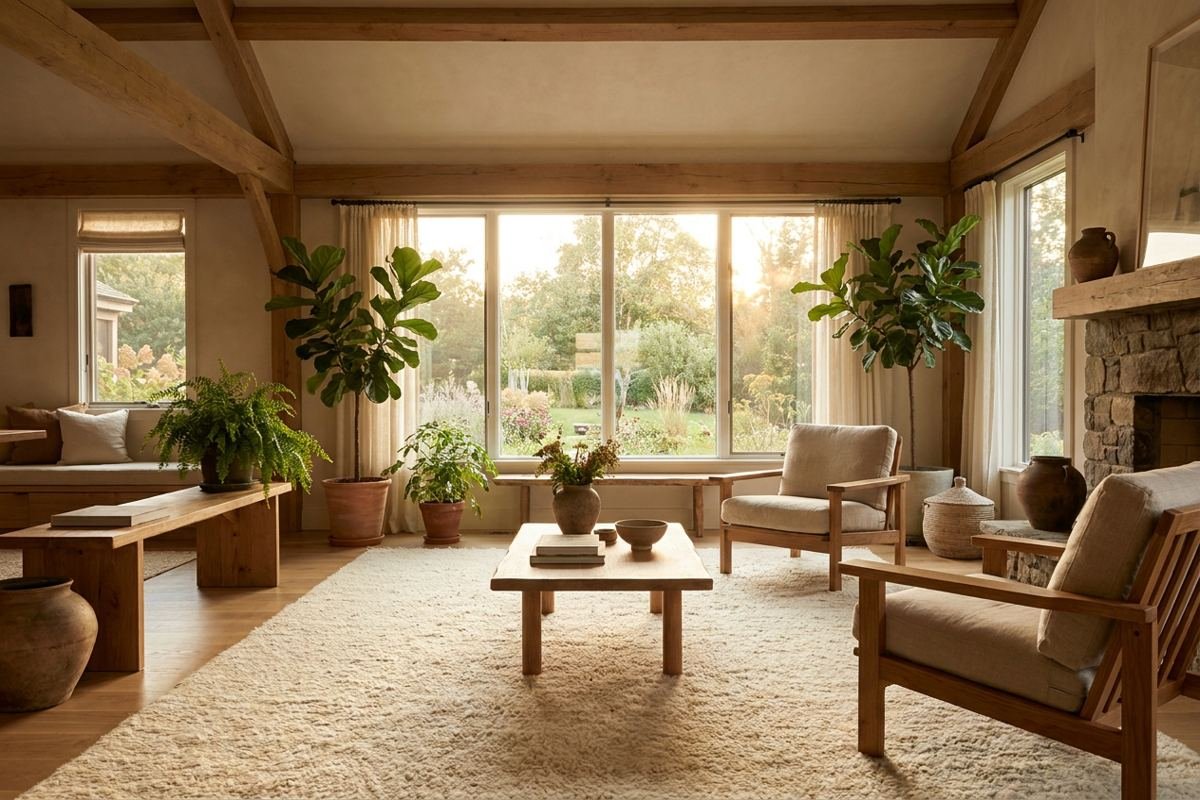
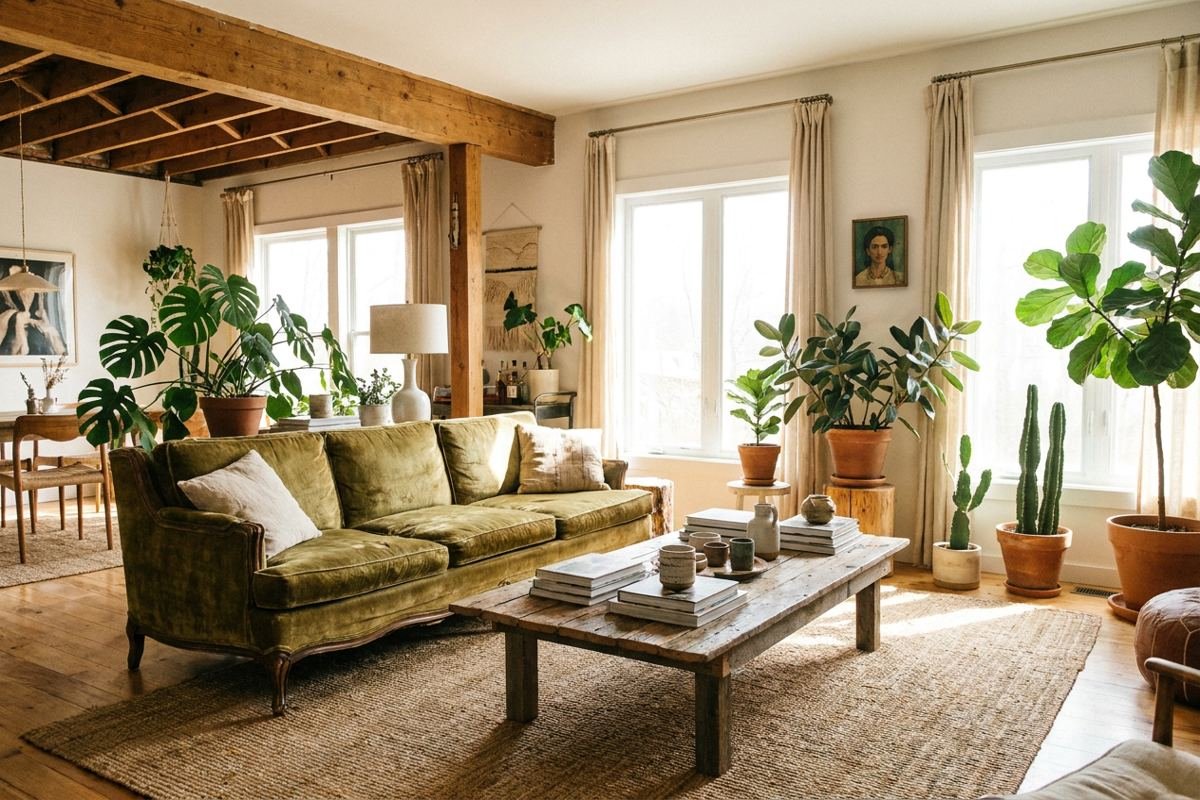
Sustainable and eco-friendly home decor in 2026 means buying fewer, longer-lasting things: secondhand furniture, natural fibers, low-VOC paint, efficient lighting and plants. The greenest piece is usually the one that already exists, so reuse, repair and thoughtful purchasing matter far more than any single trendy material.
Eco-friendly decorating can feel confusing because labels are everywhere and claims are hard to check. The simplest approach is also the most reliable: choose durable pieces, buy used when you can, avoid unnecessary chemicals and keep things in use for years. You do not need to replace everything, and you do not need to get it perfect. Progress counts, and each durable choice adds up.
This guide covers nine practical ways to make a home more sustainable without sacrificing style, with budget options and mistakes to avoid. You will also find a fading-versus-rising table, combination rules, a budget guide, a step-by-step refresh, tips for different homes, and a short FAQ.
The Big Picture: Why Sustainable Home Decor Is Changing in 2026
Three forces explain almost every idea below.
1. Quality over quantity. People are tired of replacing flimsy furniture every few years. Solid wood, good upholstery and repairable pieces cost more upfront but avoid the waste and hassle of constant replacement.
2. Secondhand is stylish. Vintage markets, resale apps and estate sales are now respected sources, and a mixed, collected look suits modern interiors better than a single matching furniture set.
3. Healthier indoor air. Buyers care about what is in paint, finishes and textiles, so low-VOC products, natural fibers and good ventilation have moved from niche to mainstream.
Together these forces turn sustainability into a design advantage, not a sacrifice. Each idea below works at any budget and in any style. None of them require a perfect home, a big budget or a complete overhaul; they simply reward patience and good judgment.
Secondhand and Vintage Furniture
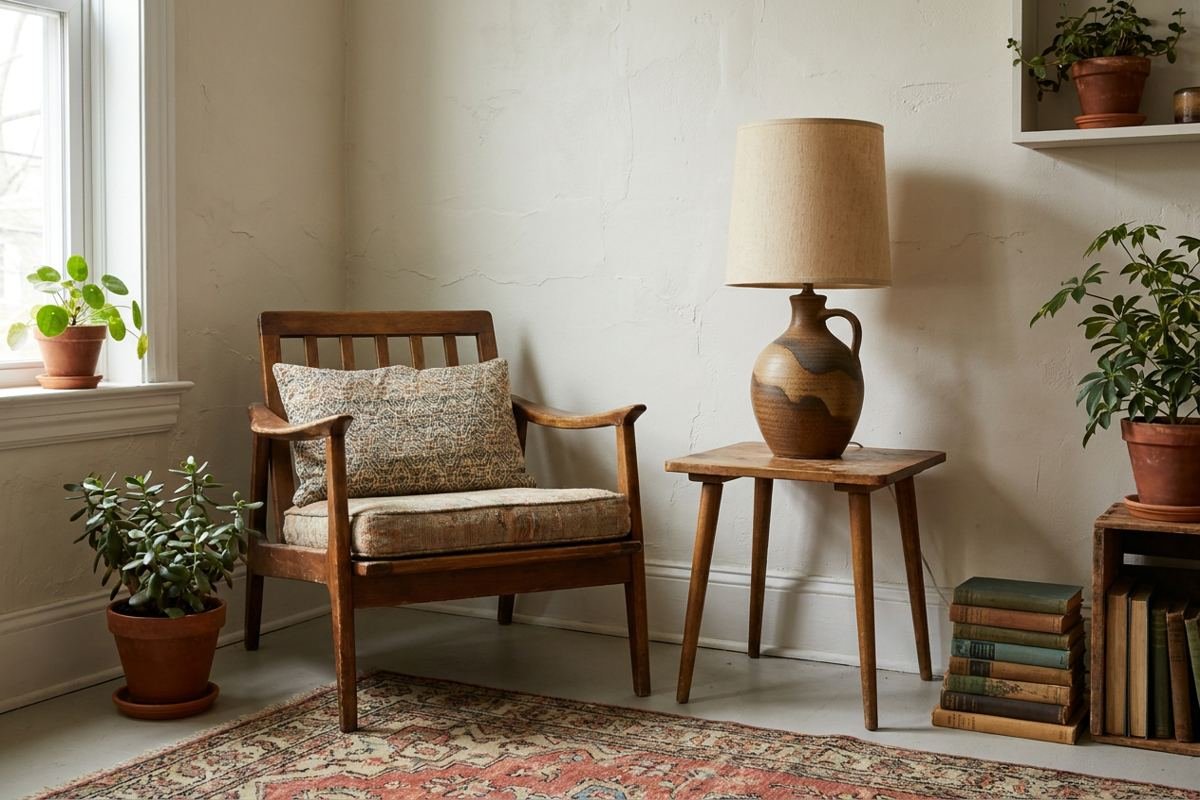
Buying used keeps furniture out of landfill and usually delivers better construction than new budget pieces. Vintage solid wood tables, dressers and chairs often outlast their modern equivalents. Measure doorways and stairwells before pickup, and bring a tape measure to every sale so you never haul home something that will not fit.
Why it works: older pieces bring character, quality joinery and a story, and they cost less than comparable new furniture.
- Check the joints. Look for dovetails and solid wood, and wiggle chairs to test sturdiness.
- Smell test. Musty drawers and cushions can be hard to fix, so sniff before buying.
- Reupholster. A sound sofa frame with fresh fabric lasts decades longer than a new one.
- Mix eras. Blend one or two vintage pieces with simple new items for a layered look.
Budget options: Browse local resale groups, estate sales and charity shops, and sand and refinish tired wood.
Mistakes to avoid: Buying pieces that do not fit your space, or taking on a heavy restoration project you will not finish.
Natural and Organic Textiles
Linen, wool, cotton, hemp and jute feel good and age gracefully. Swapping synthetic throws, curtains and rugs for natural versions is a simple upgrade that improves comfort and often lasts longer. Wash natural textiles in cool water and air dry when possible, which protects the fibers and cuts energy use at home.
Why it works: natural fibers breathe, resist odors and can be washed or repaired over time.
- Linen bedding. It softens with every wash and regulates temperature across seasons.
- Wool rugs. Durable and naturally stain resistant, wool rugs can last for many years.
- Cotton or hemp curtains. Lined natural curtains help insulate windows.
- Check the care label. Washable fabrics are more likely to stay in use.
Budget options: Start with pillow covers and a throw, then replace larger textiles as old ones wear out.
Mistakes to avoid: Assuming every item labeled natural is high quality, or throwing away working textiles just to replace them.
Low-VOC Paint and Finishes
Paint is one of the biggest decor decisions for indoor air. Low-VOC and zero-VOC paints emit fewer fumes during and after application, making rooms more comfortable to live in soon after painting.
Why it works: lower-emission paint lets you sleep in a freshly painted bedroom sooner, and a durable scrubbable finish means fewer repaints over the years, which saves materials too.
- Read the label. Look for low-VOC or zero-VOC wording and check the product data sheet.
- Ventilate well. Open windows and run a fan while painting and for several days after.
- Buy only what you need. Measure the walls so you avoid leftover cans.
- Store leftovers. Keep a small amount sealed for touch-ups rather than throwing it away.
Budget options: Many mainstream brands sell low-VOC lines at similar prices, so you rarely need to pay a premium.
Mistakes to avoid: Pouring leftover paint down drains, or skipping primer so you need extra coats.
Reclaimed and Renewable Materials
Reclaimed wood, cork, bamboo and recycled glass give new products a second life. They add warmth and texture while reducing demand for newly harvested or manufactured materials. Ask salvage yards what the wood was used for before, since knowing its history helps you choose a safe finish and plan how to display it.
Why it works: these materials are durable, characterful and often one of a kind.
- Reclaimed wood. Use it for shelves, tables and accent walls where its grain can show.
- Cork. A warm, soft floor or wall surface that is naturally resilient underfoot.
- Bamboo. A fast-growing material for accessories, blinds and cutting boards.
- Recycled glass. Vases and tiles made from recycled glass add a gentle color.
Budget options: Source reclaimed boards from salvage yards or building supply reuse shops.
Mistakes to avoid: Using reclaimed painted wood without checking for old lead paint, or assuming bamboo is always responsibly made.
Energy-Efficient Lighting

LED bulbs use far less electricity than old incandescent ones and last much longer. Choose warm tones and dimmers so efficiency does not mean cold, harsh light.
Why it works: efficient bulbs cut electricity use while the warm tone keeps the room flattering, and long bulb life means far fewer replacements to buy, carry and throw away.
- Warm bulbs. Choose 2700K for living rooms and bedrooms for a cozy glow.
- Dimmable fixtures. Dimming reduces energy use and lets you set the mood.
- Task lamps. Light the area you use rather than the whole room.
- Daylight first. Keep windows clear and use mirrors to bounce natural light.
Budget options: Replace existing bulbs with LED equivalents, which is the cheapest efficiency upgrade.
Mistakes to avoid: Buying very cool white bulbs that feel clinical, or tossing working fixtures to replace them.
Plants and Living Decor
Plants add color, softness and a sense of life to a room. Choose species suited to your light and care habits so they thrive rather than end up replaced every season. Group three plants of different heights in one corner for a fuller effect, and rotate them every few weeks so they grow evenly toward the light.
Why it works: a thriving plant is a long-term decor piece that changes and grows over time.
- Match the light. Place low-light plants such as pothos and snake plants away from direct windows.
- Propagate cuttings. Share and multiply plants for free rather than buying new.
- Choose peat-free soil. Many gardeners prefer alternatives such as coir blends.
- Reuse containers. Old jars, crocks and baskets make charming planters.
Budget options: Swap cuttings with friends and neighbors and pot them in thrifted containers.
Mistakes to avoid: Overwatering, which kills more houseplants than anything, or buying plants unsuited to your light.
Upcycling and Repair
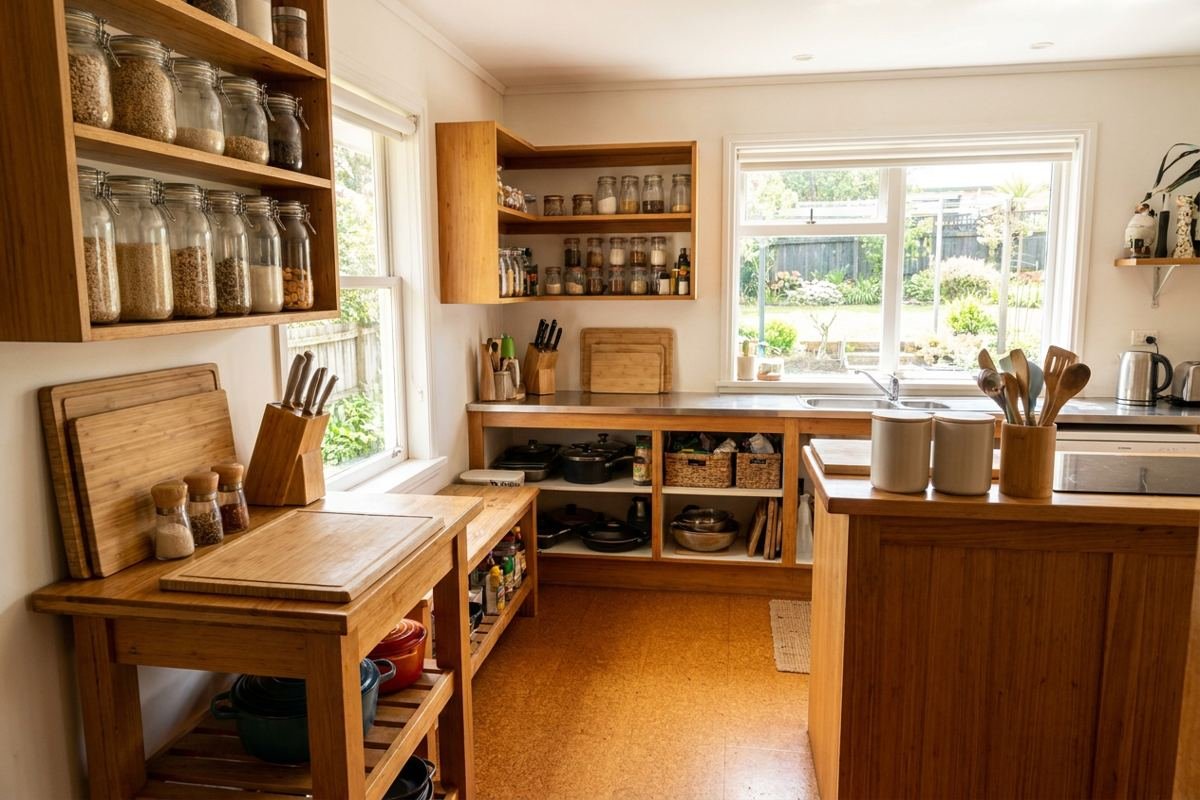
Repairing and refreshing what you own is the most sustainable choice of all. A new coat of paint, new hardware or a slipcover can make an old piece feel brand new.
Why it works: repair costs a fraction of replacement, keeps solid materials in service, and gives pieces a personal history that new furniture simply cannot offer.
- New hardware. Swapping dresser knobs transforms a piece in minutes.
- Refinish wood. Sand and oil a table rather than replacing it.
- Reupholster seats. Dining chair seats are an easy first project.
- Frame fabric scraps. Turn offcuts and old textiles into simple wall art.
Budget options: Basic tools, sandpaper and a quart of paint cost little compared with replacement furniture.
Mistakes to avoid: Using heavy chemical strippers without ventilation, or painting over a piece with real value.
Handmade and Local Decor
Handmade ceramics, woven baskets and local woodwork often last longer and carry more meaning than mass-produced alternatives. Buying locally also keeps shipping distance down.
Why it works: a handmade object is made in small quantities with care, so it tends to be kept, repaired and treasured instead of discarded after a season.
- Visit markets. Craft fairs offer unique items directly from makers.
- Commission one piece. A custom table or bowl becomes a family heirloom.
- Ask about materials. Makers can tell you what is in the glaze, finish or dye.
- Buy slowly. Wait until a piece fits a real need.
Budget options: Small handmade items such as mugs, bowls and prints are affordable and personal.
Mistakes to avoid: Assuming handmade always means eco-friendly, or buying more than you have room for.
Smart Waste Reduction at Home
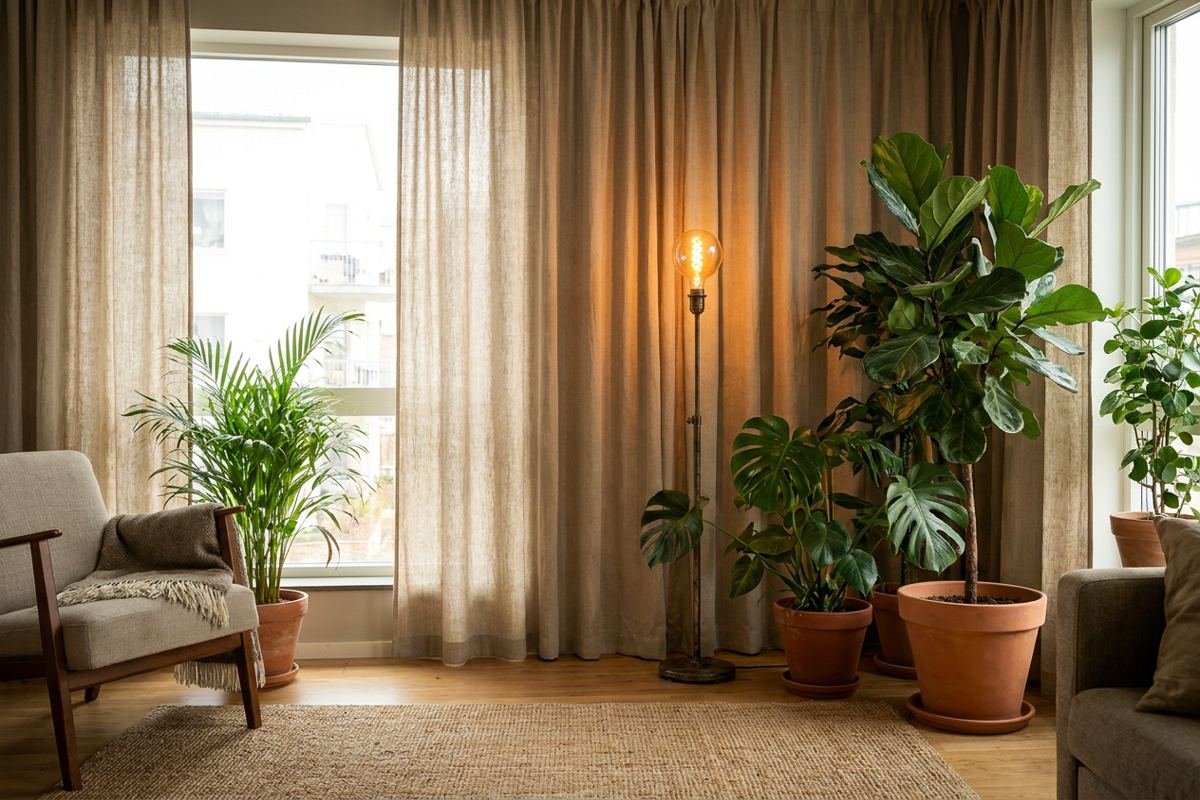
Decor is not only what you buy but also what you throw away. Donating, reselling and recycling extra items keeps them in use and clears space for a calmer home.
Why it works: a home with fewer unused things is easier to clean and decorate, and passing items along means someone else gets years of use from them.
- Donate usable items. Local charities often accept furniture and housewares.
- Sell valuable pieces. Resale apps pay for quality furniture and decor.
- Recycle properly. Check local rules for glass, metal and electronics.
- Pause before buying. Wait 30 days on decor purchases to avoid impulse waste.
Budget options: Swap with neighbors and friends, since this costs nothing.
Mistakes to avoid: Leaving unused items in storage for years, or discarding items that could have been donated.
Choosing Responsibly Made Furniture
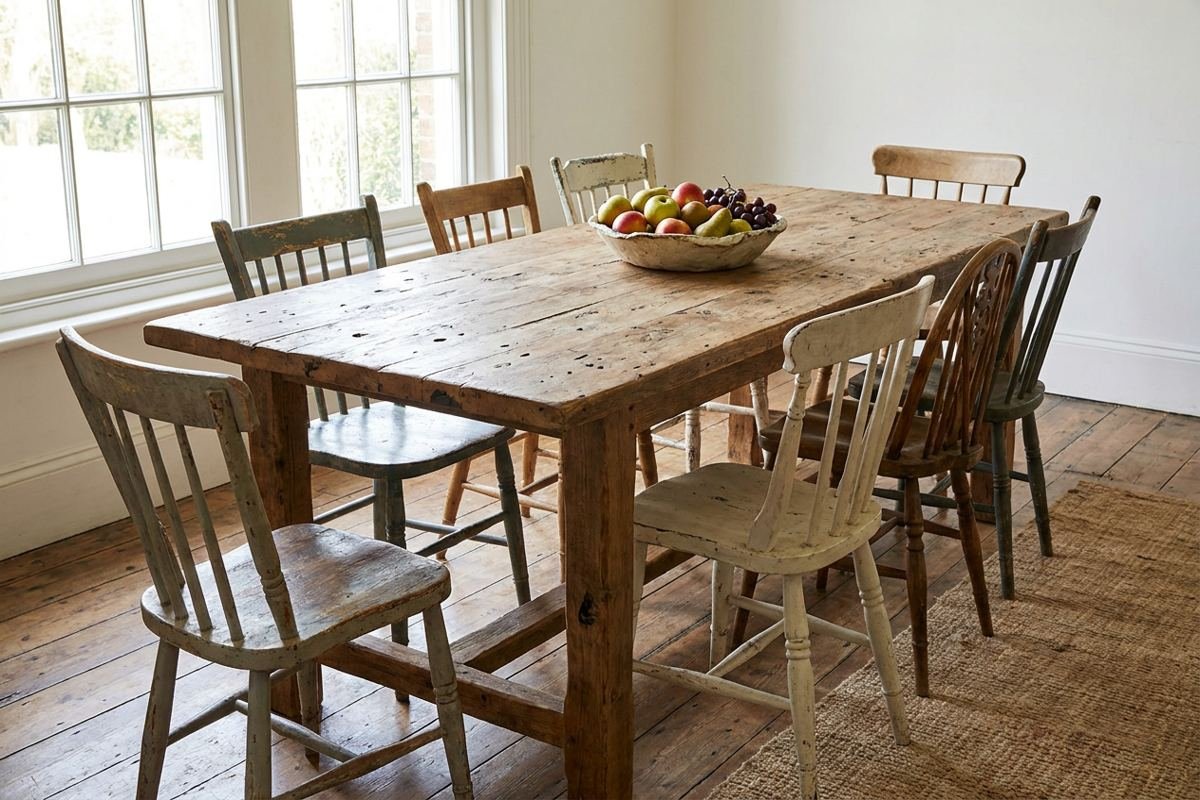
When you do buy new, how a piece is built matters more than a green label. Solid construction, replaceable parts and honest materials make furniture last. Sit on sofas in person and open every drawer, because honest construction is easier to feel than to read about online.
How to choose:
- Solid wood frames. These can be repaired and refinished many times.
- Removable covers. Washable or replaceable fabric extends sofa life.
- Certifications. Look for recognized forestry or safety labels and check what they cover.
- Warranty and parts. A long warranty suggests confidence in construction.
Budget options: Buy one great piece a year rather than several cheap ones.
Mistakes to avoid: Trusting vague words like green or natural without proof, or choosing furniture that cannot be repaired.
What Is Going Out in 2026
Fading -> Replacing it:
| Fading | Replacing it |
|---|---|
| Disposable flat-pack furniture | Solid, repairable pieces |
| Fast-fashion decor hauls | Slow, intentional buying |
| Synthetic shag rugs | Wool and jute rugs |
| High-VOC paints | Low-VOC and zero-VOC paints |
| Matching furniture sets | Collected, mixed pieces |
| Cold, harsh bulbs | Warm, efficient LEDs |
| Faux plants everywhere | Thriving real plants |
| Throwing out old pieces | Repair, resell and donate |
How to Combine These Ideas Without Making a Mess
Sustainability works best as a steady habit, not a one-time overhaul. These rules keep the look cohesive.
Rule 1: Use what you have first. Rearrange, repair and repurpose before shopping.
Rule 2: Pick a natural palette. Wood, linen, stone and plants blend easily across sources.
Rule 3: Mix new and old. One or two vintage statement pieces keep a room from feeling staged.
Rule 4: Buy for ten years. Ask whether you will still want it a decade from now.
Rule 5: Check claims. Look for specific facts, not vague green wording.
Rule 6: Replace gradually. Swap items as they wear out rather than all at once.
Three Sample Combinations
The Collected Living Room. A vintage sofa reupholstered in linen, a reclaimed coffee table, a jute rug, low-VOC warm white walls and a few pothos cuttings.
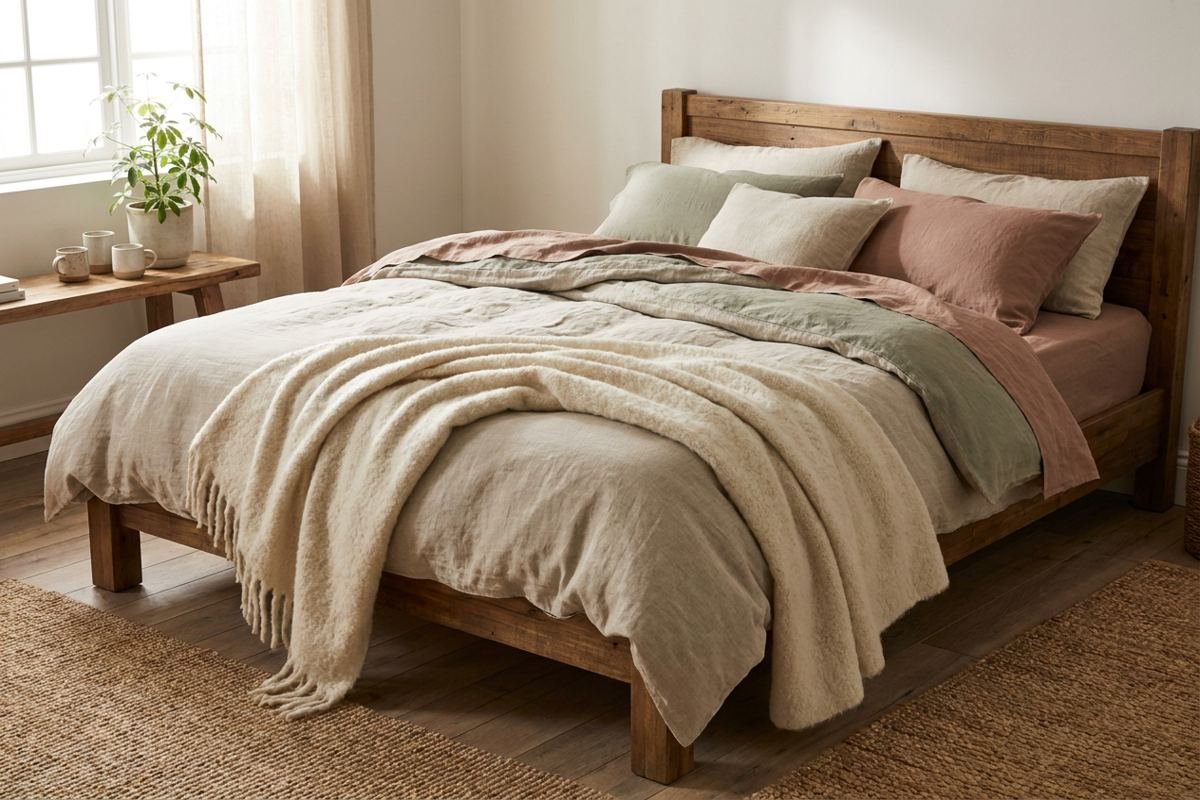
The Quiet Bedroom. Solid wood bed frame, organic cotton bedding, a wool throw, dimmable warm LED lamps and a thrifted bedside table.
The Honest Kitchen. Cork flooring, open shelves of reclaimed wood, glass jars, bamboo utensils and herbs growing on the windowsill.
Budget Guide
Smart buying tips:
- Compare cost per year. A pricier piece that lasts twenty years is cheaper than three replacements.
- Buy used first. Check local listings before looking at new.
- Ask questions. Request material details and care instructions before buying.
Budget tiers:
- Under $300: LED bulbs, low-VOC paint for one room, thrifted lamp and vases, plants and cuttings, linen pillow covers
- $300 to $1,500: A secondhand dining table, wool or jute rug, natural bedding, new hardware and refinishing supplies
- $1,500 to $5,000: Reupholstered sofa, quality solid wood piece, cork or reclaimed flooring section, efficient lighting upgrade
- $5,000+: Custom solid wood furniture, full low-VOC repaint, window treatments with insulation, high-quality natural flooring
Step-by-Step 2026 Sustainable Decor Refresh
- Audit what you own. Walk through each room and note what works and what does not.
- Repair first. Tighten screws, fix hinges and mend torn seams.
- Rearrange. Move furniture between rooms for a fresh feel at no cost.
- Donate or sell extras. Clear items you no longer use.
- Swap the bulbs. Install warm LEDs throughout.
- Refresh the walls. Choose low-VOC paint and ventilate well.
- Add natural textiles. Start with pillows, a throw and curtains.
- Shop secondhand. Search for one needed piece and compare condition.
- Bring in plants. Choose species that match your light.
- Add one handmade item. Pick a bowl, print or vase from a local maker.
- Set a buying rule. Wait 30 days before any new decor purchase.
Styling It by Room Size and Layout
Eco-friendly choices work in any home. Here is how to adapt them.
Small Rooms
- Choose multi-use pieces. A storage ottoman reduces the number of items you need.
- Go light. Pale walls and mirrors stretch daylight.
- Keep decor edited. Fewer, better items feel calmer.
- Use vertical plants. Hanging pots save floor space.
Open-Plan Spaces
- Repeat materials. Reuse wood and linen across zones for unity.
- Anchor with a rug. A natural fiber rug defines the sitting area.
- Mix vintage in each zone. Spread older pieces across the room.
- Layer lighting. Dimmable lamps for each area save energy.
Large Homes
- Invest in heirlooms. Large rooms suit statement solid wood furniture.
- Insulate windows. Lined curtains reduce heat loss in big rooms.
- Group plants. Clusters make a bigger green impact.
- Zone carefully. Do not buy to fill space just because it is there.
Rentals
- Choose portable pieces. Furniture and lamps move with you.
- Use removable fixes. Adhesive hooks and plug-in lights avoid damage.
- Buy used. Resale furniture holds value when you move.
- Focus on textiles. Rugs and curtains change a room without permanent edits.
FAQ
Where should I start with sustainable decor? Start by using what you already own, repair what is broken, and swap bulbs for warm LEDs. Then buy secondhand for any gaps.
Is secondhand furniture really more sustainable? Usually yes, because it extends the life of existing materials and avoids new manufacturing. Check condition so it lasts rather than ending up discarded.
What does low-VOC paint mean? It means the paint releases fewer volatile organic compounds, which cause fumes. Check the label, and still ventilate while painting.
Are natural fabrics always better? Not always. Durable natural fibers like wool and linen last well, but quality and care matter more than the fiber alone.
How can I tell if a product is truly eco-friendly? Look for specific, checkable details about materials, sourcing and certifications, and be cautious of vague words like green.
Are LED bulbs worth it? Yes. They use much less electricity and last longer than old bulbs, and warm versions look just as cozy.
Can renters decorate sustainably? Absolutely. Buy used, choose portable pieces, add plants and natural textiles, and use removable fixes instead of altering the space.
Is eco-friendly decor expensive? Not necessarily. Reusing, repairing and buying secondhand often costs less, while spending more on a few durable pieces pays off over time.
Final Thoughts
A sustainable home is built slowly, one thoughtful choice at a time. Keep what you love, repair what you can, and buy new only when something truly earns its place. The result is a space that feels personal, lasts longer and lets you enjoy it with a clear conscience.