
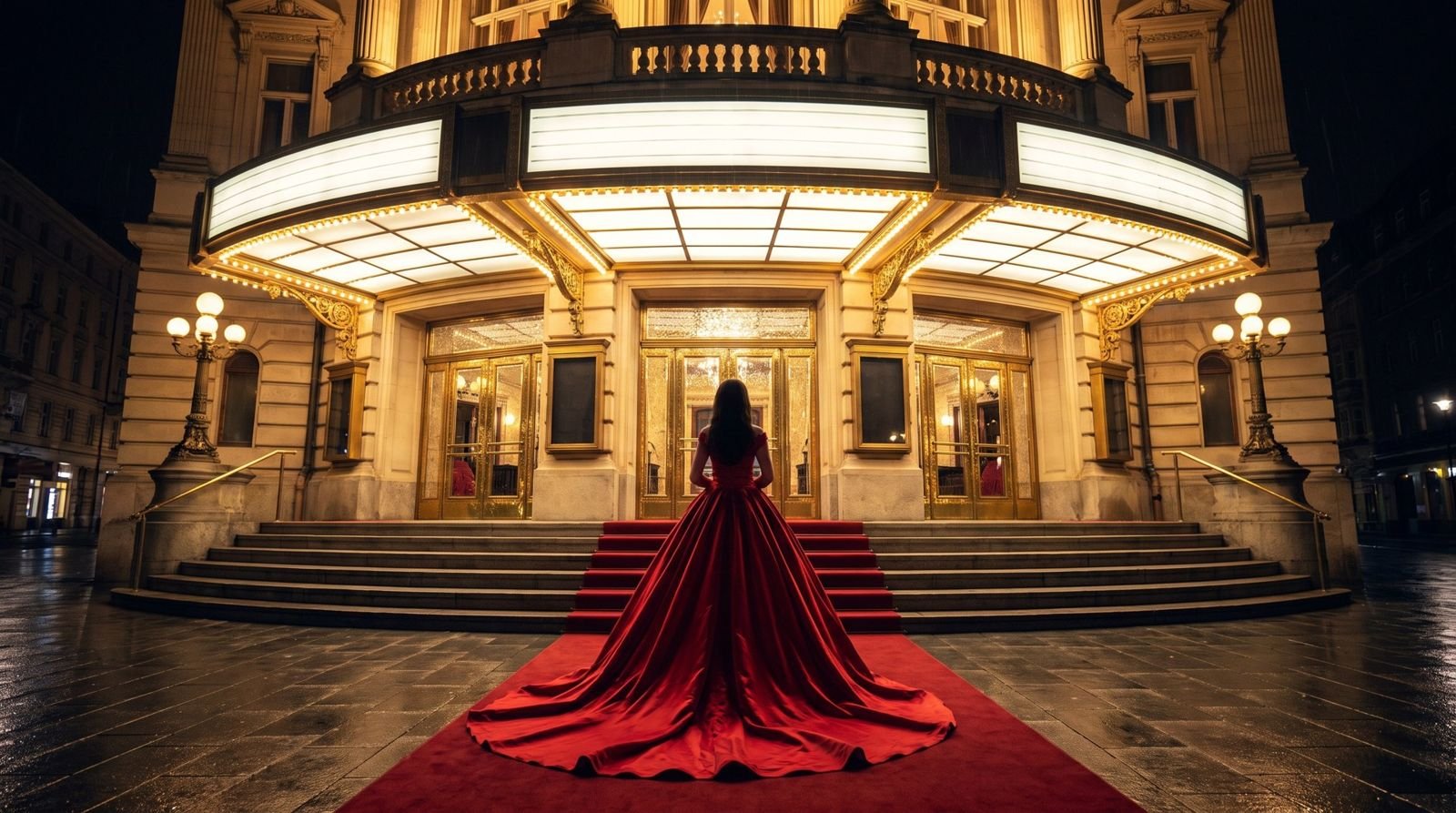
A clear, practical guide to the gown silhouettes, colors and fabrics that suit a television awards night, inspired by the September 2026 Emmys red carpet and made easy to borrow.
Television’s biggest night asks for glamour with a clear, camera-ready finish. The Emmys, held in September 2026, mark the start of the autumn awards season, and the red carpet is where dresses are chosen to be seen in motion, in flash photography and on screens around the world.
This guide uses that moment as a starting point to explore the gown styles that work on an awards-night carpet. You will find the main ideas, thirteen distinct gown looks, a color guide, a fabric and fit guide, outfit formulas, common mistakes, answers to frequent questions and a bonus chapter on adapting the ideas to real life. It describes general styles and does not attribute specific outfits to specific people.
It is written for anyone with a gala, a black-tie wedding or a formal party on the calendar, and for readers who simply love red carpet fashion. You will learn what makes a gown look good on camera and how to choose, fit and style one without needing a celebrity budget.
1. The Big Picture: What Makes an Emmys Gown
- It must work on camera. Television viewers see the gown on screen, so strong shapes, clean lines and clear colors read best.
- Movement matters. The walk, the turn and the stairs all count. Fabrics that flow, swing and settle look good in video.
- September sets the season. An early autumn evening suits rich colors, satin, velvet and structured fabrics without being heavy.
- Color is a signature. A single memorable shade is more recognizable than a pile of details.
- The back view counts. Photographers capture every angle, so necklines, zips, bows and trains are part of the design.
- Comfort carries the evening. Awards nights are long, and the best gown is one you can wear from arrival to after-party.
2. Look 1: The Classic Ball Gown
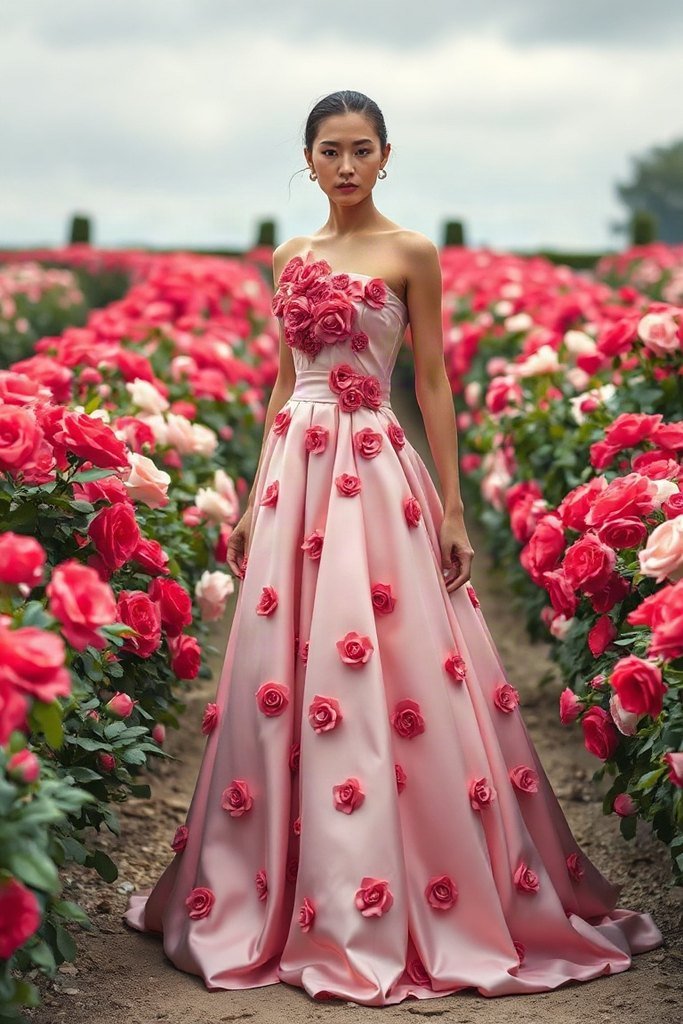
What it is
A fitted bodice and a full, voluminous skirt, usually in satin, taffeta or tulle. It is the fairy-tale silhouette of formal dressing.
Why it works
The shape is instantly recognizable and flatters most figures by defining the waist. On a long carpet, a full skirt creates movement and drama.
What to look for
- A structured bodice. Boning or corsetry keeps the fit secure.
- A supportive underskirt. A petticoat gives the volume without heavy fabric.
- A walkable hem. The skirt should clear stairs and doorways.
- Quality seams. Large skirts put pressure on the waist seam.
Styling tip
Keep the neckline clean and the jewelry simple. The skirt provides all the drama needed.
Mistakes to avoid
- Do not choose a skirt wider than doorways and car seats allow.
- Do not wear a heavy necklace with a strapless neckline.
3. Look 2: The Mermaid and Fishtail Gown
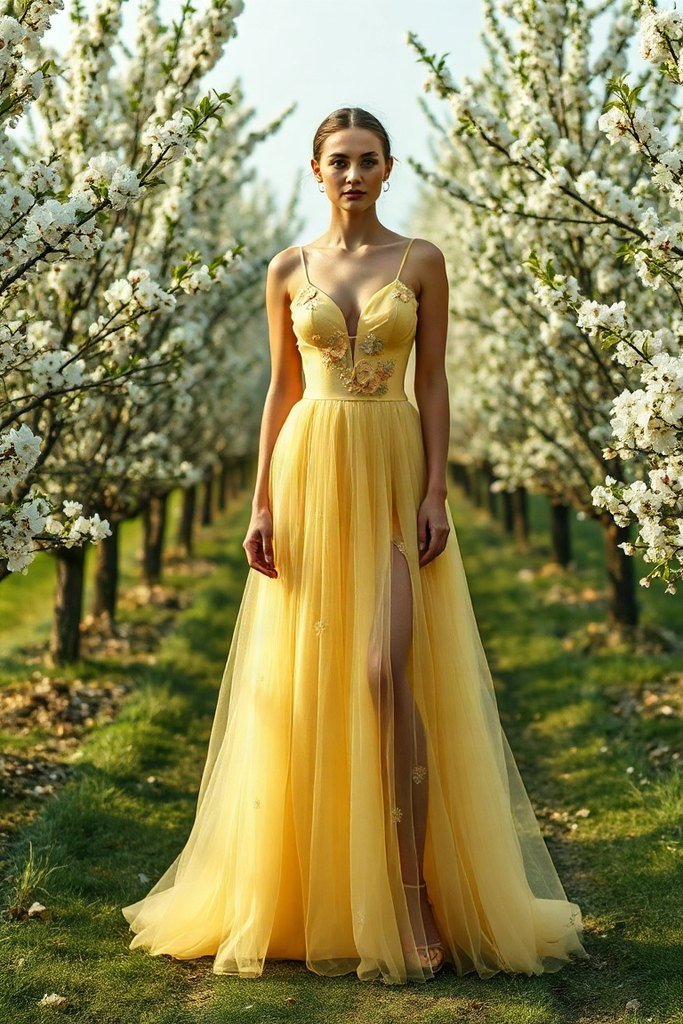
What it is
A gown that follows the body closely to the knee and then flares into a tail. It is glamorous, curvaceous and unmistakably old Hollywood.
Why it works
The fitted shape emphasizes curves, and the flared hem gives graceful movement. It makes a strong silhouette from the front and the side.
What to look for
- Stretch in the fabric. It lets you sit and walk.
- A tailored waist and hip. Mermaid cuts reward a precise fit.
- A flared hem with enough room. You need to take steps.
Mistakes to avoid
- Do not choose a size that restricts walking.
- Do not forget to practice sitting before the event.
How to wear it
- Choose hair up or to one side to show the neckline.
- Keep jewelry to earrings and a ring.
- Ask a friend to lift the tail for stairs and car doors.
4. Look 3: The Sleek Column
What it is
A slim, floor-length dress with minimal decoration and clean seams. It is the polished, contemporary option.
Why it works
Television cameras love clean lines and bold simple color. A column makes the wearer look tall, and the lack of detail reads clearly on screen.
Fabrics and colors
Crepe, satin and matte jersey are the best fabrics. Ivory, black, red, emerald and cobalt all look striking in the column shape.
Styling tip
Choose one detail, such as a halter neck, an open back or a long slit, to give the gown character.
What to look for
- A clean, straight fall. The fabric should not pull at the hips.
- A slit with room to walk. Without one, a column can feel restricting.
- A smooth lining. It keeps crepe from clinging.
5. Look 4: The Sparkling Sequin Gown
What it is
A gown fully covered in sequins, beads or crystals. It glitters under flashbulbs and reads brilliantly on camera.
Why it works
Sparkle looks festive and photographs with energy. It is a favorite for celebration and works in silver, gold, midnight blue or rich jewel tones.
What to look for
- Soft lining. It protects skin from scratches.
- Even sequin placement. Gaps and patches look cheap.
- Manageable weight. A heavy gown can tire you over a long evening.
Mistakes to avoid
- Do not add sparkly accessories on top of sparkly fabric.
- Do not forget to check the dress for loose sequins before you leave.
How to wear it
- Choose plain shoes and a matte clutch.
- Wear your hair simple and sleek.
- Add a soft lip and keep eye makeup subtle.
6. Look 5: Jewel-Tone Satin
What it is
Emerald, sapphire, ruby and amethyst in glossy satin are television-friendly shades with a luxurious look. They suit an early autumn evening and give a rich, saturated image on screen.
Why it works
Strong color helps a gown stand out in a crowd of black and neutrals. Satin reflects light and gives clear highlights, which flatters a wide range of shapes.
What to look for
- A deep, even dye. Patchy or thin color looks cheap on camera.
- Heavy satin. It drapes and hides lines.
- Flattering neckline. Off-the-shoulder, square and V-necks all work.
How to wear it
- Choose gold jewelry with emerald and silver with sapphire.
- Keep makeup clean so the color remains the focus.
- Wear hair back to show off the neckline.
Mistakes to avoid
- Do not choose a cheap, thin satin that shows every line.
- Do not pair with a clashing metal tone.
7. Look 6: Soft Pastels and Powder Shades
What it is
Lilac, blush, powder blue and butter yellow are gentler alternatives to jewel tones. They suit an early September evening and create a romantic, elegant effect.
Why it works
Pastels look fresh and kind on screen. They stand apart from the usual dark palettes of awards season and can make a very soft impression.
Fabrics and colors
Chiffon, organza, silk satin and tulle capture pastels best. Choose shades with a little depth, as very pale tones can wash out under bright lights.
Styling tip
Add a deeper accent, such as a plum lip or a rich brown bag, to prevent the look from fading.
Mistakes to avoid
- Do not choose a pale shade that matches your skin tone too closely.
- Do not skip a lining, because chiffon can be revealing under lights.
8. Look 7: The Dramatic Cape and Sleeve
What it is
Capes, balloon sleeves and statement shoulders add drama to an otherwise simple gown. They create movement as the wearer walks and turn.
Why it works
Dramatic arms and shoulders add visual interest on camera, particularly when the rest of the dress is simple. They can also offer coverage for people who prefer it.
What to look for
- Fabric with flow. Crepe, chiffon and georgette move beautifully.
- Secure attachment. A cape should stay on the shoulders.
- Balanced proportions. Big sleeves suit a slim skirt.
Mistakes to avoid
- Do not choose volume on top and bottom together.
- Do not forget to check that the sleeves fit through car doors.
Styling tip
Keep hair off the shoulders so the structure of the cape or sleeve is clear. Add small earrings and a sleek clutch.
9. Look 8: The Plunging and Open-Back Gown
What it is
Deep necklines and open backs create glamour with cut rather than decoration. They are classic red carpet choices and look dramatic as the wearer turns.
Why it works
The reveal happens in motion, which suits camera work and photographs from behind. The clean design allows the fabric to speak.
How to wear it
- Use fashion tape and built-in support for comfort and security.
- Wear hair up to show the back.
- Choose a necklace only if the neckline allows it.
Styling tip
Test the gown by raising your arms, bending and hugging. A plunging cut must stay in place.
Mistakes to avoid
- Do not choose a neckline that needs constant adjusting.
- Do not wear a bra that shows at the back or side.
10. Look 9: Black, Reimagined
What it is
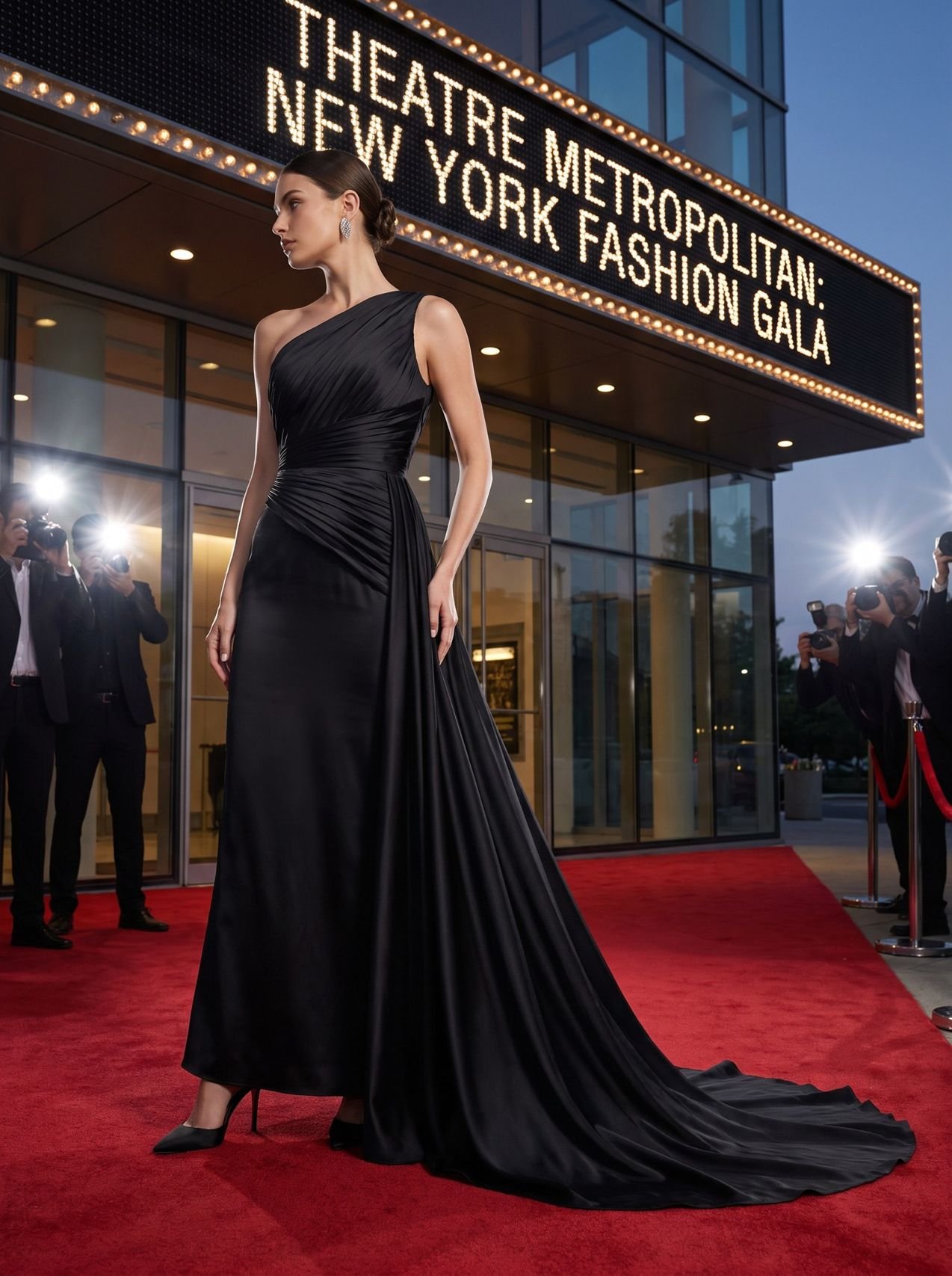
Black will always be on the red carpet. This season, think of it with texture and details, such as pleats, ruching, asymmetric necklines and draped panels that keep it interesting.
Why it works
Black is slimming, formal and safe for any skin tone. It also lets jewelry and hair shine.
What to look for
- Rich black. Avoid fabrics that fade to grey under flash.
- A strong detail. Pleats or asymmetry give it a point of view.
- Good fit. Black shows every flaw in construction.
Mistakes to avoid
- Do not choose a flat, dull black fabric.
- Do not leave the look without a focal point.
How to wear it
- Add a statement lip color for contrast.
- Choose diamond or crystal jewelry for sparkle.
- Use gold or silver shoes to lift the look.
Styling tip
Choose a single dramatic accent, such as a bright lip or bold earrings, and let the black do the rest. The simplest looks are often the ones remembered.
11. Look 10: The Bow and Ribbon Gown
What it is
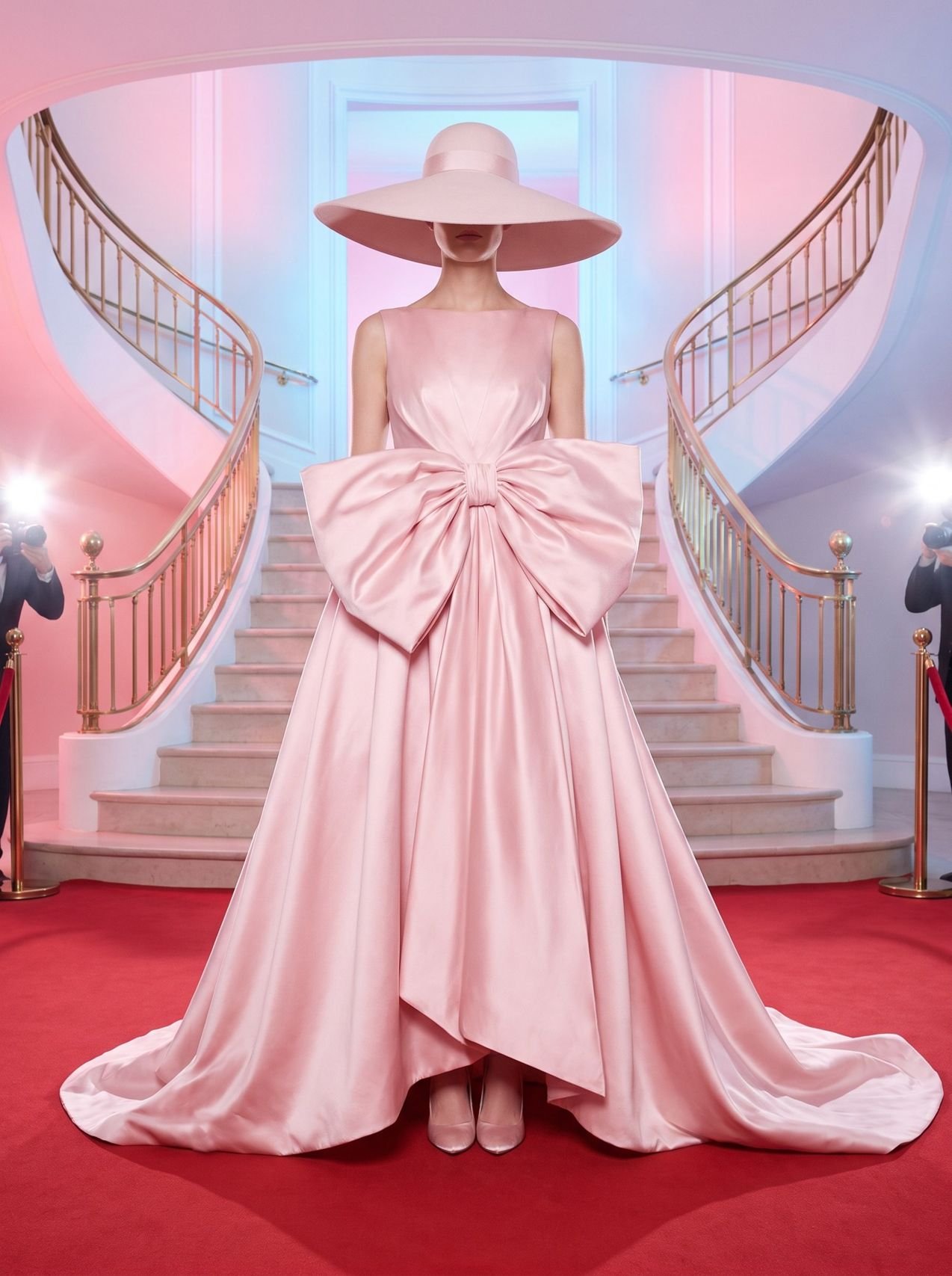
Bows, ribbons and ties add a sweet or sculptural finish to a dress. They can sit at the waist, the shoulder or the back.
Why it works
A bow is a simple way to add personality without clutter. It gives the dress a focal point and makes a pretty back view.
What to look for
- Structured ties. They should hold their shape.
- Balanced size. The bow should suit your frame.
- Fabric with body. Satin, taffeta and faille all give crisp shapes.
How to wear it
- Let the bow be the only accent.
- Choose simple earrings.
- Keep hair sleek to display the detail.
Mistakes to avoid
- Do not choose a bow so large it overwhelms your frame.
- Do not add several other embellishments.
12. Look 11: The Two-Piece and Jumpsuit
What it is
Not everyone chooses a gown. A tailored evening jumpsuit, or a skirt-and-top combination in rich fabric, offers a sleek and modern alternative.
Why it works
It looks fashion-forward and feels practical. Pieces can be re-worn in daily life, and the line feels modern and confident.
What to look for
- A tailored line. Well-cut trousers and structured tops look sharp.
- Luxe fabric. Satin, crepe and velvet give formality.
- Wide-leg shape. It moves like a gown.
Styling tip
Choose a high heel and a long hem. The trouser should graze the floor to give the line of a gown.
Mistakes to avoid
- Do not choose a hem that drags beneath the heel.
- Do not skip tailoring at the waist, where gaps often appear.
How to wear it
- Choose a belt or sash to define the waist.
- Add statement earrings and a slim clutch.
- Pick heels high enough to lengthen the trouser leg.
13. Look 12: Short and Cocktail Dresses
What it is
Short dresses suit the pre-parties and after-parties of awards week. A mini or knee-length style in rich fabric feels playful and confident.
Why it works
A shorter hem is easier to move in and shows off shoes. It also suits younger guests and creative looks.
What to look for
- Luxury fabrics. They keep the look formal.
- Strong shape. A sculpted waist or bubble hem is more interesting than a plain slip.
- Great shoes. They become part of the look.
Mistakes to avoid
- Do not choose casual fabrics.
- Do not skip a lining.
Styling tip
Choose tall, elegant shoes and a bold bag. The hem leaves room for details, so make them count.
14. Look 13: Metallic and Liquid Gowns
What it is
Gold, silver and bronze metallic gowns shine on screen. Liquid lamé and satin give a molten effect that moves beautifully.
Why it works
Metallic fabrics reflect light and give a luminous effect on camera. They need little else to look festive.
How to wear it
- Keep accessories simple.
- Choose a lining that stops cling.
- Pick a shade that suits your undertone.
Styling tip
Let the metallic be the only shiny element. Matte shoes and a plain clutch keep the balance.
What to look for
- Fluid drape. Liquid metallics flatter when they fall softly.
- A secure lining. It prevents cling and shows less texture.
- Consistent finish. Look for even color without dull patches.
Mistakes to avoid
- Do not choose thin foil that creases.
- Do not wear shiny shoes and a shiny bag together.
15. Look 14: The Gown With a Sheer or Illusion Detail
What it is
A solid gown with a sheer yoke, sleeves or back panel adds lightness and a hint of surprise. Illusion tulle at the neckline or sleeves is also a graceful way to give a dress more coverage while keeping it delicate.
Why it works
The effect reads well in photographs, as the sheer area lightens the whole silhouette. It also offers a modern way to wear a traditional shape, and it often feels more comfortable than a fully strapless gown.
What to look for
- Soft tulle. It should feel gentle at the neck and arms.
- Embroidery or beading. Decoration anchors the sheer area.
- A secure fit. Illusion fabric should lie flat without gaping.
- A matched tone. Choose a sheer panel in a shade that suits your skin.
How to wear it
- Choose a necklace only if the detail is plain.
- Keep hair back to show the yoke or sleeves.
- Pick shoes in a tone that blends with the hem.
Mistakes to avoid
- Do not choose illusion fabric with visible seams across the chest.
- Do not forget to test the dress under camera flash.
The Emmys 2026 Red Carpet Color Guide
Color does heavy lifting on television. A shade that looks strong on camera also tends to look good in person, so use this guide to choose a color that suits your skin and your event.
- Color | Mood | Pair with
- Ruby red | Bold, classic, glamorous | Gold jewelry, nude lip, black heels
- Emerald | Rich, confident, luxurious | Gold earrings, bronze eyes, sleek hair
- Midnight blue | Deep, elegant, mysterious | Silver jewelry, soft pink lip, silver shoes
- Lilac and lavender | Romantic, soft, dreamy | Pearls, nude heels, plum lip
- Blush pink | Gentle, feminine, graceful | Rose gold, satin pumps, light glow
- Ivory | Clean, luminous, timeless | Gold accents, warm blush, pearls
- Silver and metallic | Sparkling, modern, festive | Diamond studs, matte clutch, minimal makeup
A few practical points apply. Pure white can glare in flash, so ivory is gentler. Very bright neon colors can bleed on screen, while deep, saturated shades look crisp. If you are unsure, test the dress under a phone flash and see how the color reads in the photograph.
Fabric and Fit Guide
Satin and silk
The red carpet classics. Satin gives shine and drape, silk gives softness. Both show every seam, so choose a quality fit and a soft lining. Avoid water spots and steam gently.
Crepe and jersey
Matte fabrics give a clean, modern column and move easily. They are comfortable and forgiving of long evenings. Use smooth underlayers for a clean line.
Tulle, organza and chiffon
Light and airy, these fabrics suit soft gowns and layered skirts. They are delicate, so avoid rough surfaces and keep jewelry smooth.
Sequins, beads and metallics
Glittering fabrics are heavy and need strong construction. Make sure the lining is soft, the beads are sewn rather than glued and the straps carry the weight.
Velvet and taffeta
Early autumn invites richer textures. Velvet and taffeta add depth, but they are warm, so check the temperature of the venue and your own comfort.
Fit essentials
- Bodice. It should hold without pinching or gaping.
- Straps and neckline. They must stay in place when you move.
- Hem. Practice in the shoes you will wear.
- Movement. Sit, climb stairs, lift your arms and step into a car.
How to Build a Dress Look: Formulas
These recipes keep a gown look balanced. Pick one and adjust it to your own taste.
- Formula 1: bold color, quiet accessories. A saturated gown with small earrings, a simple clutch and sleek hair.
- Formula 2: black, but sculpted. A textured black gown with diamond earrings and a red lip.
- Formula 3: pastel and depth. A lilac gown with a deep plum lip and nude heels.
- Formula 4: sparkle and matte. A sequin gown with matte shoes and clean makeup.
- Formula 5: ball gown and simple jewelry. A full skirt with fine earrings and a polished updo.
- Formula 6: open back, hair up. A plunging back with an elegant bun and no necklace.
- Formula 7: modern tailoring. A jumpsuit with a long hem, strappy heels and sculptural earrings.
- Formula 8: metallic monochrome. A gold gown with nude sandals and a soft bronze glow.
Mistakes to Avoid
- Ignoring the camera. Test colors and fabrics under flash.
- Over-accessorizing. One focal point is plenty.
- Choosing discomfort. A tight gown ruins a long evening.
- Forgetting the back. The back view is photographed as often as the front.
- Skipping tailoring. Even an expensive gown looks better with a fitting.
- Not practicing the walk. Stairs, trains and car doors need rehearsal.
- Neglecting the weather. Plan for outdoor arrival, wind and evening chill.
Frequently Asked Questions
When were the Emmys 2026 held? The ceremony took place in September 2026. This guide is a style guide and describes general gown ideas rather than listing particular outfits.
What colors work best on a television red carpet? Deep, saturated shades such as ruby, emerald and midnight blue read clearly, and soft pastels and metallics also look beautiful. Pure white and very pale shades can glare under strong lights.
What shape is the safest for a first gown? A column or an A-line with a fitted bodice suits many figures and is simple to walk in.
How do I choose a gown that works for video as well as photographs? Choose fabrics that move well, such as satin, chiffon and crepe, and avoid very stiff skirts that look rigid in motion. Check the back view.
Can I wear a short dress to a formal event? Yes, if the fabric and styling are rich and the dress code allows it. Add polished shoes and strong accessories.
How do I stop a strapless gown from slipping? Choose a gown with boning and a silicone grip inside the bodice, and have a tailor fit it closely. Fashion tape helps for extra security.
What jewelry works with a plunging neckline? Skip the necklace and choose statement earrings or a cuff. The neckline is the focal point.
How do I care for a satin gown? Follow the label and avoid water. Store it in a breathable bag and steam to remove creases. Spot-test before cleaning any mark.
How do I keep from overheating in a heavy gown? Choose breathable lining, carry a small fan or blotting papers and take breaks outside where possible. Drink water throughout the evening.
Can I re-wear a gown? Yes. Change the accessories, hair and shoes, and a gown can look fresh for another event. Many stylists encourage re-wearing and borrowing.
How do I choose a gown for a smaller budget? Prioritize color, fit and fabric weight over brand. A simple dress in a strong shade, well tailored, will always look better than a complicated one that does not fit.
Should I follow the trend colors or choose my own? Choose the color that makes you feel best. Trends fade, but a shade that suits your skin and mood will always photograph well. If you want a trend, add it through a small detail such as a bow, a sleeve or a metallic shoe.
How do I walk in a long gown? Take smaller steps than usual, let the skirt move ahead of your feet and lift the front hem slightly on stairs. Practice at home in your shoes, and have a friend watch to see whether the train or hem catches.
What if I am between sizes? Buy the larger size and have it taken in. Tailors can reduce fabric easily, but they cannot add what is not there. Bring your shoes and underlayers to every fitting.
What is the best way to keep a long gown clean? Use a gown bag for transport, avoid wet or dirty surfaces and carry the hem when walking on pavement. A clean cloth and a small steamer help restore the dress after the event.
Final Thoughts
The Emmys red carpet shows how a gown can work for the audience in the room and the viewers at home. Choose a shape you can move in, a color that you love and a fit that feels like yours. Keep the styling edited, practice the walk and let the dress do its job. Awards-night style is about confidence, preparation and a dress you love, and those are available to everyone. Whichever gown you choose, check it in daylight, under flash and in motion, and make small adjustments until it feels settled on your body. The best red carpet moments often come from small, careful decisions made well before the night itself, and every one of them is within reach of any reader planning a formal evening.
Bonus Chapter: Bringing Awards-Night Style Into Your Life
At work and events
For industry events and galas, choose a gown or a sharp jumpsuit in a rich fabric. For office parties, a satin midi dress or a sequin top with tailoring suits. For weddings, keep to the dress code and avoid white.
Dressing for your body
- Petite. Choose columns, high waists and simple lines.
- Tall. Long trains, capes and wide skirts balance your height.
- Curvy. Boned bodices, wrap tops and mermaid shapes flatter.
- Athletic. Ruffles, draping and full skirts add softness.
- Pear shape. Detail on top and a clean skirt balance the hips.
- Apple shape. An empire waist or A-line with a flowing skirt is comfortable.
On a budget
Choose a simple style in a strong color and invest in tailoring. Rent a gown, buy pre-owned or find a seamstress to alter a find. Borrow jewelry or buy one pair of statement earrings. A great fit will matter more than the label.
A seven-day plan
- Day 1. Save looks you love and choose a color.
- Day 2. Decide on a shape and set a budget.
- Day 3. Try several options and check fit.
- Day 4. Book tailoring and choose underlayers.
- Day 5. Test shoes, jewelry and hair together.
- Day 6. Practice stairs, sitting and car entries, then steam the gown.
- Day 7. Rest, hydrate and edit one accessory.
Hair and makeup
Think of hair and makeup as a frame. A sleek bun suits an open back, loose waves soften a structured gown and a ponytail suits a column. Choose skin that glows rather than shimmers, and pick one focus, eyes or lips. Test your look under flash.
Sustainable choices
Wear it again by choosing classic shapes. Rent or buy pre-owned, and look for natural fabrics when buying new. Store properly and mend promptly. Swap accessories and styling to give an outfit a new life.
Shoes, bags and jewelry
Choose shoes that you can stand in for hours, in a tone that blends with the hem so the line stays long. Platforms and block heels give stability, and slim sandals give elegance. For bags, a small clutch or a chain-strap minaudiere is classic. For jewelry, choose one focus. Bold earrings suit hair-up looks and open necklines, a necklace suits a plain bodice and a cuff suits a strapless gown.
Occasion guide
- Awards-style gala. A ball gown, column or mermaid in a rich color.
- Black-tie wedding. A pastel or jewel-tone gown with a modest train.
- Holiday party. A satin midi or a sequin dress with a coat.
- Theatre night. A velvet or crepe column with an elegant wrap.
- Industry cocktail event. A short rich-fabric dress or a jumpsuit.
Shopping smart
Check fabric, lining and seams, and read sizing reviews. Order early so you have time for tailoring, and try the gown on with the shoes and underlayers you plan to wear. For rentals, check cleaning and damage policies. Take photographs under flash in the fitting, because a gown looks different on camera than in a mirror.
On the night
Arrive early and settle into the dress. Pack a small kit with tape, a safety pin, blotting paper and lip color. Eat before you go, drink water and sit carefully. Enjoy the evening, since a dress always looks better on someone having fun.
Planning your arrival
Think through the logistics of a long dress in advance. Choose transport with room, plan how you will lift the skirt to get in and out and allow extra time for photographs and greetings. Know the venue’s entrance and any stairs so that you can rehearse them. A calm arrival makes any gown look better, and a plan for the end of the night, such as flat shoes and a wrap, keeps the evening comfortable.
Caring for the gown afterward
Air the gown before storing it, then check seams, hems and beading. Remove marks gently with a clean damp cloth and take delicate or beaded pieces to a specialist cleaner. Store in a breathable bag away from sunlight with acid-free tissue in the bodice and sleeves. Heavy gowns should be stored flat or hung from internal loops rather than thin straps.
Posing and photographs
A gown is made to be photographed, so learn a few simple moves. Angle your body slightly, place one foot in front of the other and keep your shoulders relaxed. Let the skirt or train fall naturally, and turn your head toward the camera last. For an open-back dress, look over your shoulder. Practice in a mirror and take a few test photographs with a phone in dim light.
Confidence checklist
- The gown fits and moves with me.
- The color flatters my skin and photographs well.
- I have practiced walking, sitting and stairs.
- My accessories are edited and comfortable.
- The dress suits the event and dress code.
- I feel like myself, at my best.