
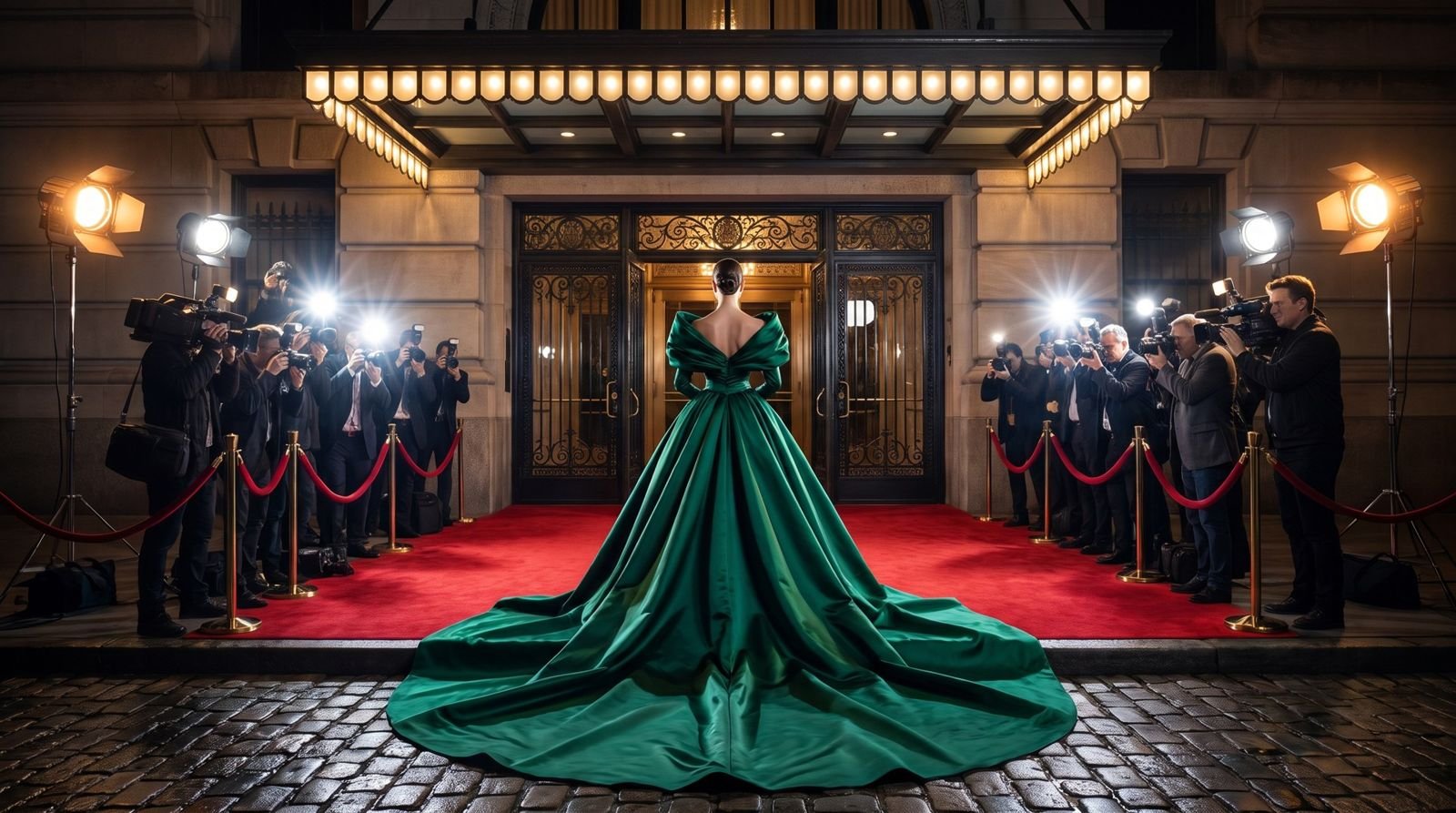
A practical guide to the silhouettes, colors, fabrics and vintage-inspired ideas defining the November 2026 CFDA Awards red carpet, and how to borrow them for your own evening.
Fashion’s own awards night always sets a different tone from the film and music ceremonies. The CFDA Awards, held in November 2026, are attended by designers, editors, stylists and the people who shape what everyone else will wear next. That makes the red carpet a place where clothes are chosen for their ideas as much as their glamour.
This guide breaks the evening’s dress language into useful pieces. You will find the big themes, thirteen distinct gown styles to study, a color guide, a fabric and fit guide, styling formulas, common mistakes, answers to frequent questions and a bonus chapter on adapting the looks to real life. Coverage of the event has pointed to standout vintage pieces, so archival and vintage-inspired dressing gets special attention.
It is written for readers who enjoy fashion, who are planning a formal event, or who simply want to understand why certain dresses look so good on a red carpet. No celebrity budget is needed. The principles are about shape, fabric, proportion and personality, and they work at every price.
1. The Big Picture: What the CFDA Red Carpet Is About
- It is a designer’s room. Guests at a fashion awards night dress with design in mind, so construction, cut and detail matter more than simple sparkle.
- Vintage is a statement. Coverage of the 2026 event noted standout vintage pieces. Wearing something from the past signals knowledge, patience and a personal point of view.
- Silhouette is the headline. Strong shapes, such as sculpted columns, bold shoulders and sweeping trains, read well in photographs and in person.
- Gold had a moment. Gold appeared among the looks at the 2026 event, part of a wider metallic mood in party season.
- Edit the extras. The most memorable looks let one idea lead, whether that is a fabric, a color or a cut.
- Comfort enables confidence. A long evening in a gown only works if you can walk, sit and greet people with ease.
2. Look 1: The Sculptural Gown
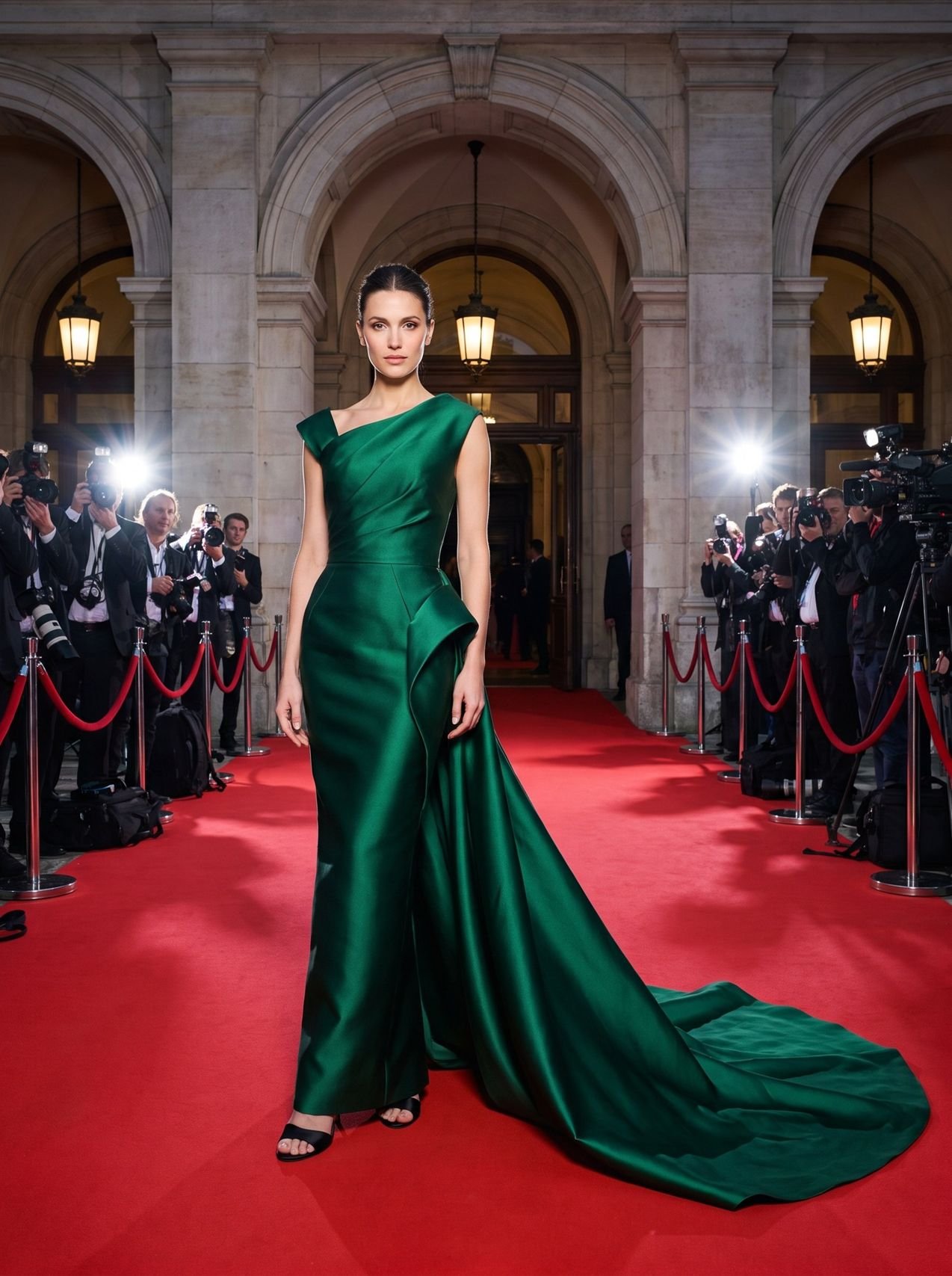
What it is
A dress that looks designed in three dimensions, with folds, curves and volume that seem carved rather than sewn. It often relies on heavy satin, duchess silk or taffeta to hold its shape.
Why it works on this carpet
At a fashion awards night, an architectural gown signals design confidence. It also photographs well from every angle, because the shape holds even when the wearer moves.
What to look for
- Firm fabric. Soft fabric collapses and ruins the structure.
- Internal support. Boning, interlining and a petersham waist keep the form in place.
- A manageable train. A sweep you can control makes walking easier.
- Clean lines. Seams should be crisp and symmetrical.
Styling tip
Let the gown be the whole story. Choose small earrings, a slicked-back hairstyle and a minimal clutch.
Mistakes to avoid
- Do not add a bold necklace to an already dramatic neckline.
- Do not skip a full-length fitting in the shoes you will wear.
3. Look 2: Vintage and Archival Pieces
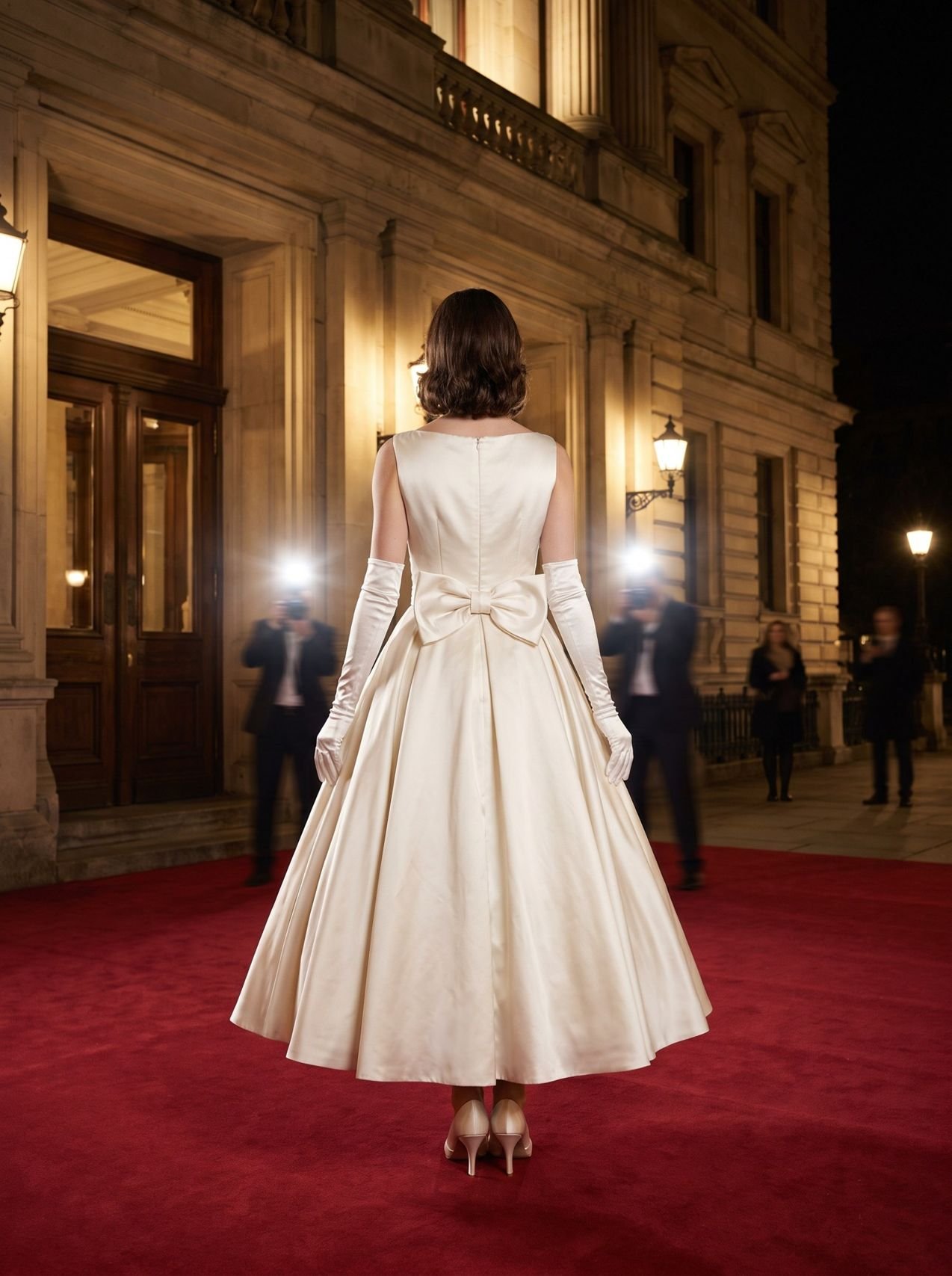
What it is
A dress from a previous decade, either truly vintage or made in the spirit of an earlier era. Coverage of the CFDA Awards 2026 pointed to standout vintage pieces among the red carpet looks.
Why it works
Vintage tells a story that new clothes cannot. It shows that the wearer knows fashion history, and it makes the dress unrepeatable, since nobody else will have the same one.
What to look for
- Sound construction. Check seams, zips and linings for age damage.
- Good fabric condition. Silk can shatter along old folds, so examine them in bright light.
- A fit you can adjust. Vintage sizing differs from modern sizing, so allow for alteration.
- A clear provenance. Reputable dealers describe the era and any repairs.
How to wear it
- Pair a vintage gown with modern, simple accessories to avoid costume.
- Use a skilled tailor for fit, not a quick fix.
- Choose period-appropriate undergarments if the cut demands them.
4. Look 3: The Modern Column
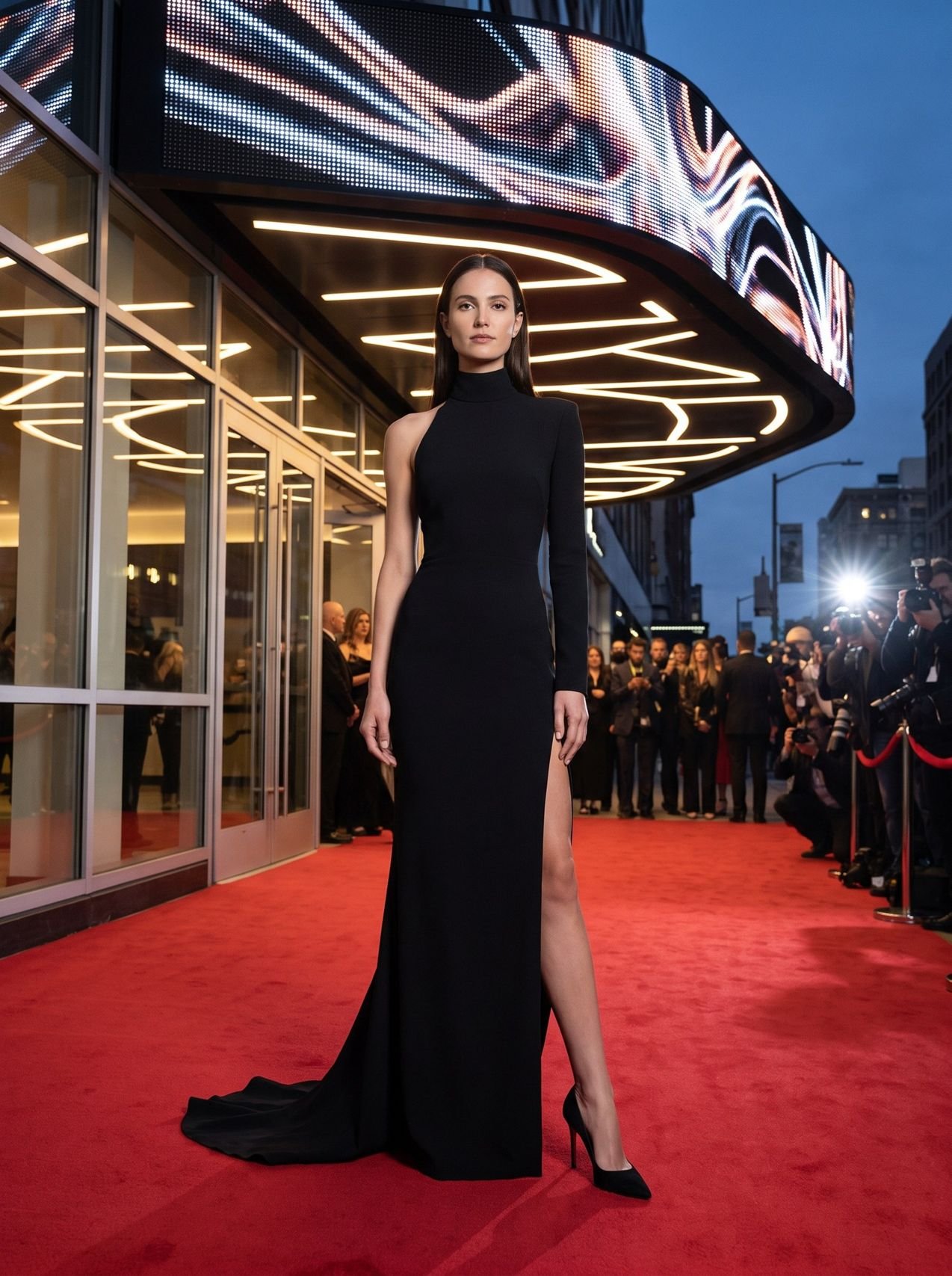
What it is
A narrow, floor-length dress with clean lines and minimal decoration. It is the most elegant and least fussy way to dress for a formal event.
Why it works
The column suits designers’ evenings, where the shape and the quality of cut stand on their own. It also lengthens the body and moves gracefully.
Fabrics and colors
Crepe, satin-backed crepe, matte jersey and fine wool crepe all hold the shape. Black, ink navy, ivory and deep red are classics, but a bold single color such as cobalt can be equally striking.
Styling tip
Use the neckline or sleeve as the focal point. A single dramatic sleeve or an asymmetric neckline gives the column personality.
What to look for
- A true column cut. The fabric should fall straight from hip to hem.
- A hidden slit or vent. It allows you to walk without gripping the skirt.
- Seamless underwear. Crepe shows every line, so choose carefully.
5. Look 4: Gold and Metallic Gowns
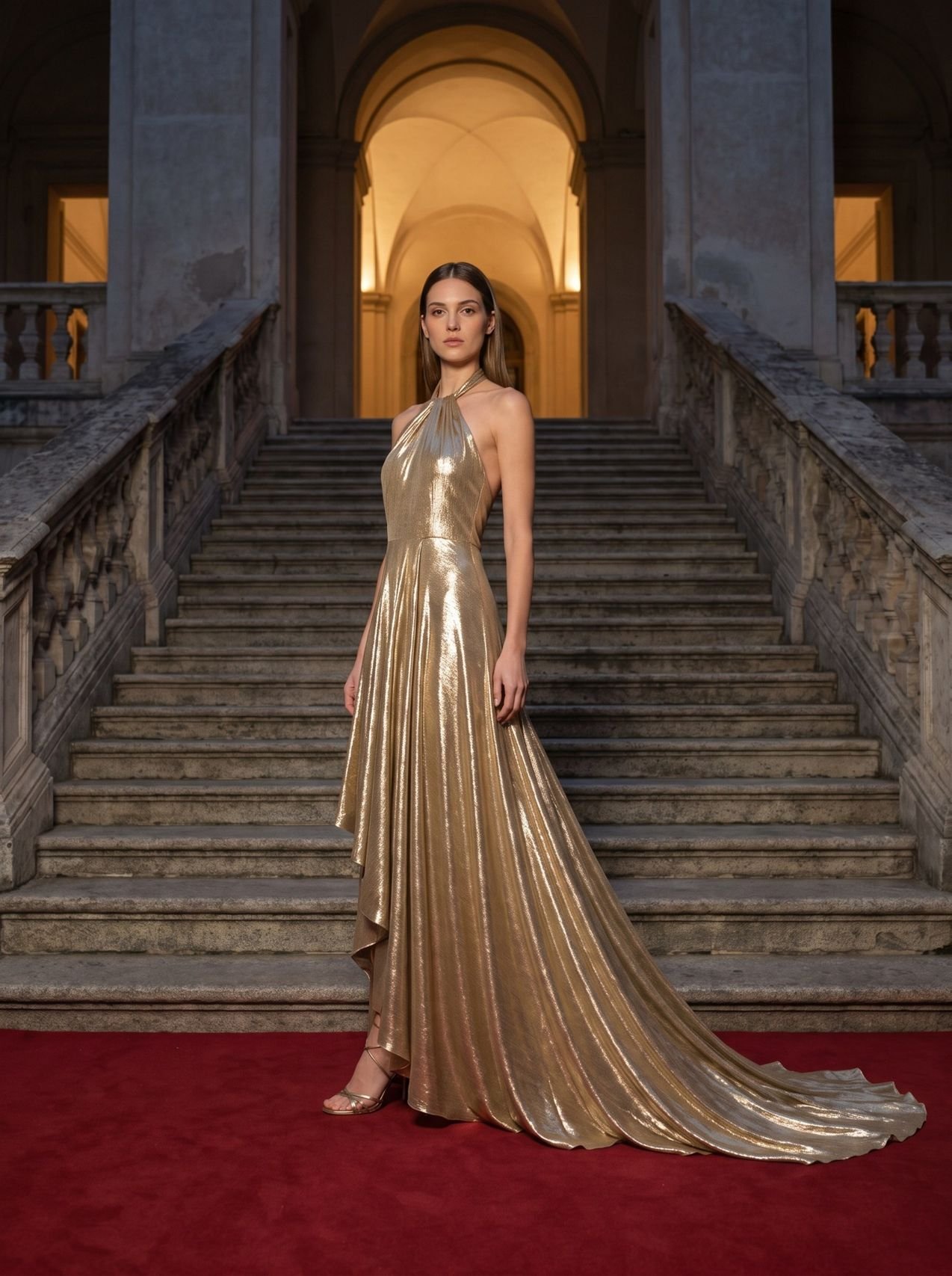
What it is
Gold, bronze and champagne metallics were among the shades seen at the CFDA Awards 2026, in step with the metallic mood of party season.
Why it works
Metallics glow in flash photography, and gold in particular flatters a wide range of skin tones. A single-color metallic gown is also an easy way to look festive without adding detail.
What to look for
- Texture, not only shine. Pleats and liquid lamé look more refined than flat foil.
- Soft drape. Fluid metallic fabric flatters movement.
- A matching undertone. Choose a gold shade that suits your skin.
Mistakes to avoid
- Do not pile on metallic accessories.
- Do not choose a fabric so thin that it clings to every line.
6. Look 5: The Bold-Shoulder Gown
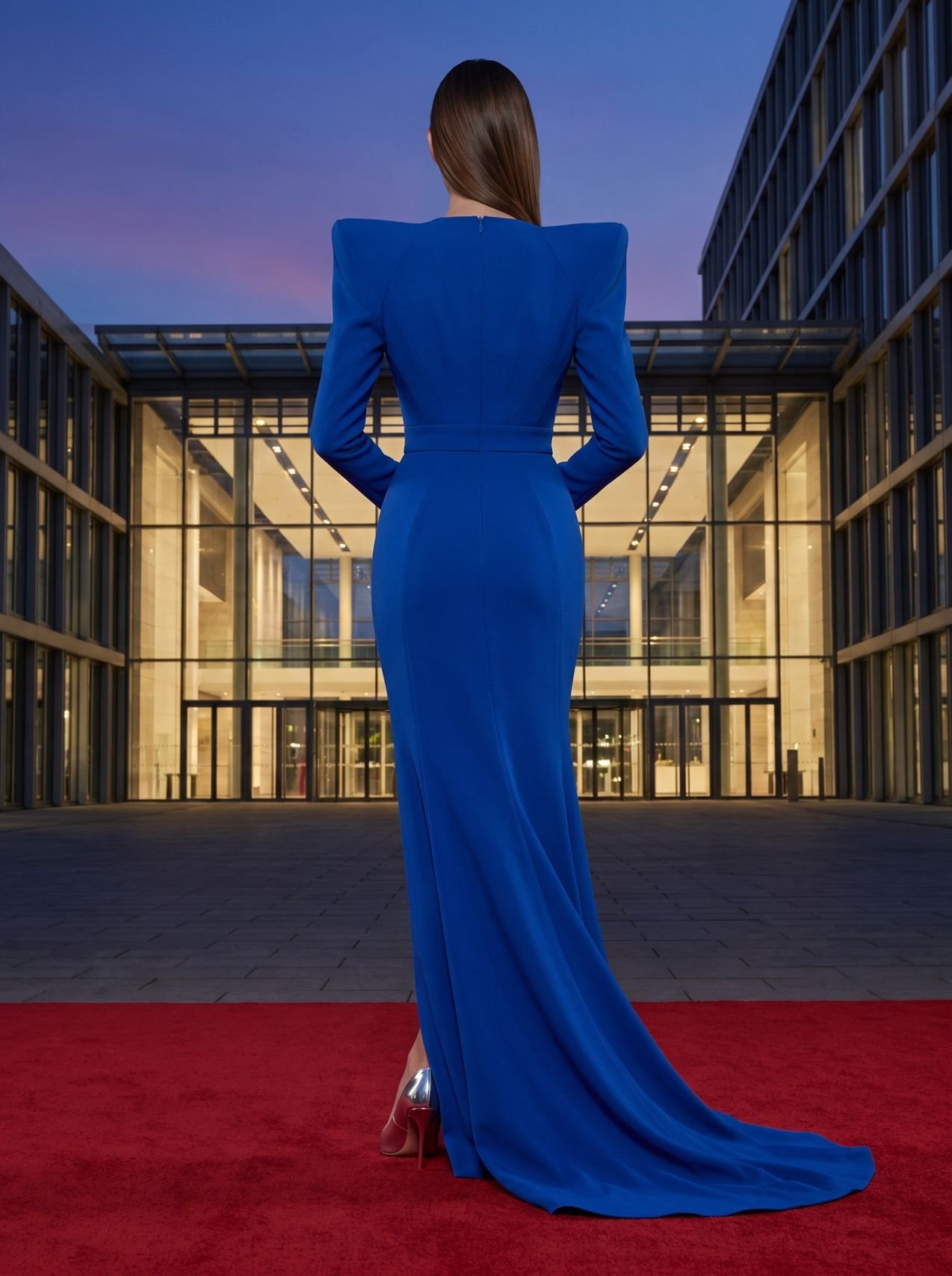
What it is
A gown with strong shoulder construction, whether padded, draped or extended, which gives the figure a confident, tailored outline. It borrows from power dressing and evening tailoring.
Why it works
Strong shoulders balance a narrow skirt and give an immediate graphic shape. On a fashion carpet, a tailored top half shows that the wearer values cut.
What to look for
- Light shoulder padding. It should shape without weight.
- A defined waist. A cinched waist completes the contrast.
- Even seams. Tailored shoulders show every flaw.
- Room for movement. Test hugging and lifting your arms.
How to wear it
- Keep necklaces off and choose strong earrings.
- Wear hair back to show the line of the shoulders.
- Choose a bold single color for impact.
Mistakes to avoid
- Do not choose padding that makes you feel top-heavy.
- Do not skip tailoring at the sleeve head.
7. Look 6: Deep Red and Jewel Tones
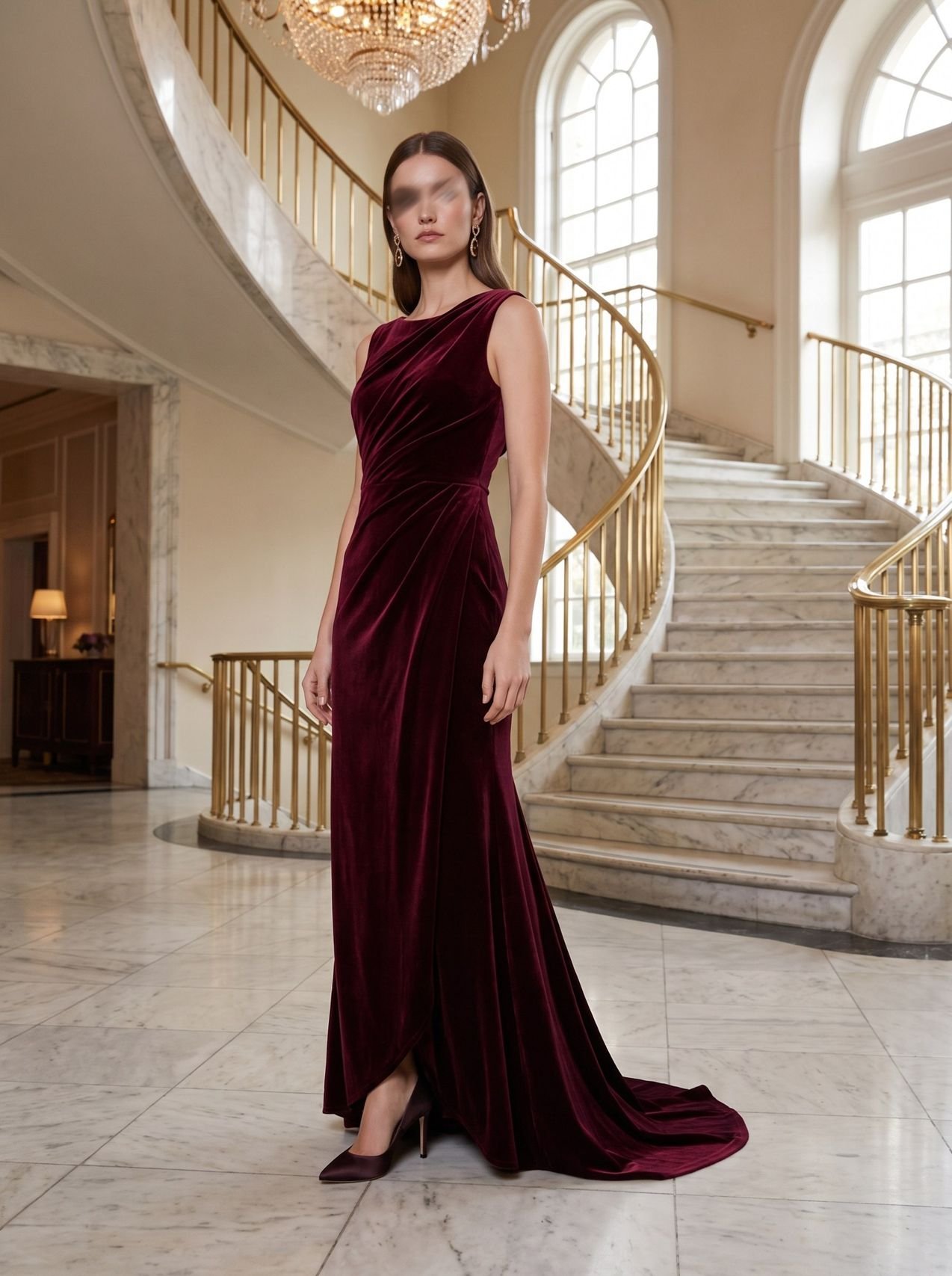
What it is
Burgundy, emerald, sapphire and amethyst give formal dressing a warm autumn weight. These colors feel rich and seasonal, and suit a November event well.
Why it works
Jewel tones photograph deeply and flatter a wide range of complexions. They also avoid the cliche of black while remaining formal.
Fabrics and colors
Velvet, satin and silk crepe carry jewel tones best. Choose a shade with depth, not a flat, bright dye, and check it in several kinds of light.
Styling tip
Pick jewelry in a neighboring tone, such as gold with burgundy or silver with sapphire, to extend the color story.
Mistakes to avoid
- Do not match every accessory to the dress, which looks flat.
- Do not pick a shade that dulls your skin in photographs.
8. Look 7: The Gown With a Dramatic Train
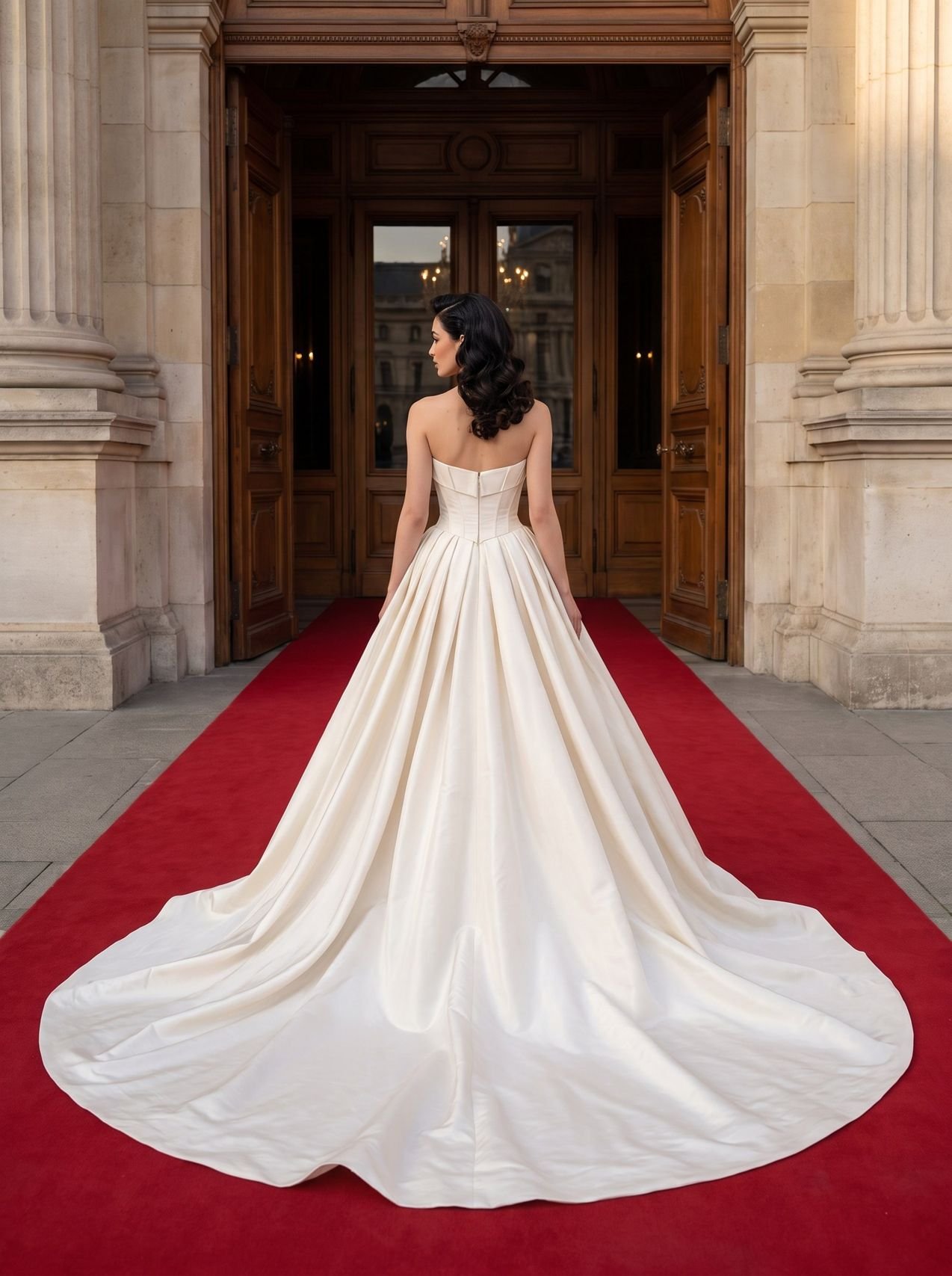
What it is
A train gives a gown drama and makes the arrival a performance. Trains can be short sweeps, chapel lengths or sculpted pieces of fabric that fall behind the wearer.
Why it works
The red carpet is a stage, and a train adds movement and length to every photograph. It also gives a graceful finish when the wearer turns.
What to look for
- A wrist loop or inner button. It lets you lift the train quickly.
- The right weight. Heavy fabric trails smoothly, while light fabric floats.
- A clean back view. Check that the train sits straight when you walk.
Mistakes to avoid
- Do not practice the train only in flat shoes.
- Do not forget to plan for stairs, cars and doors.
How to wear it
- Ask a friend to arrange the train for photographs.
- Choose a hairstyle that shows the back of the dress.
- Keep jewelry modest so the train remains the focal point.
9. Look 8: Black Velvet and Evening Tailoring
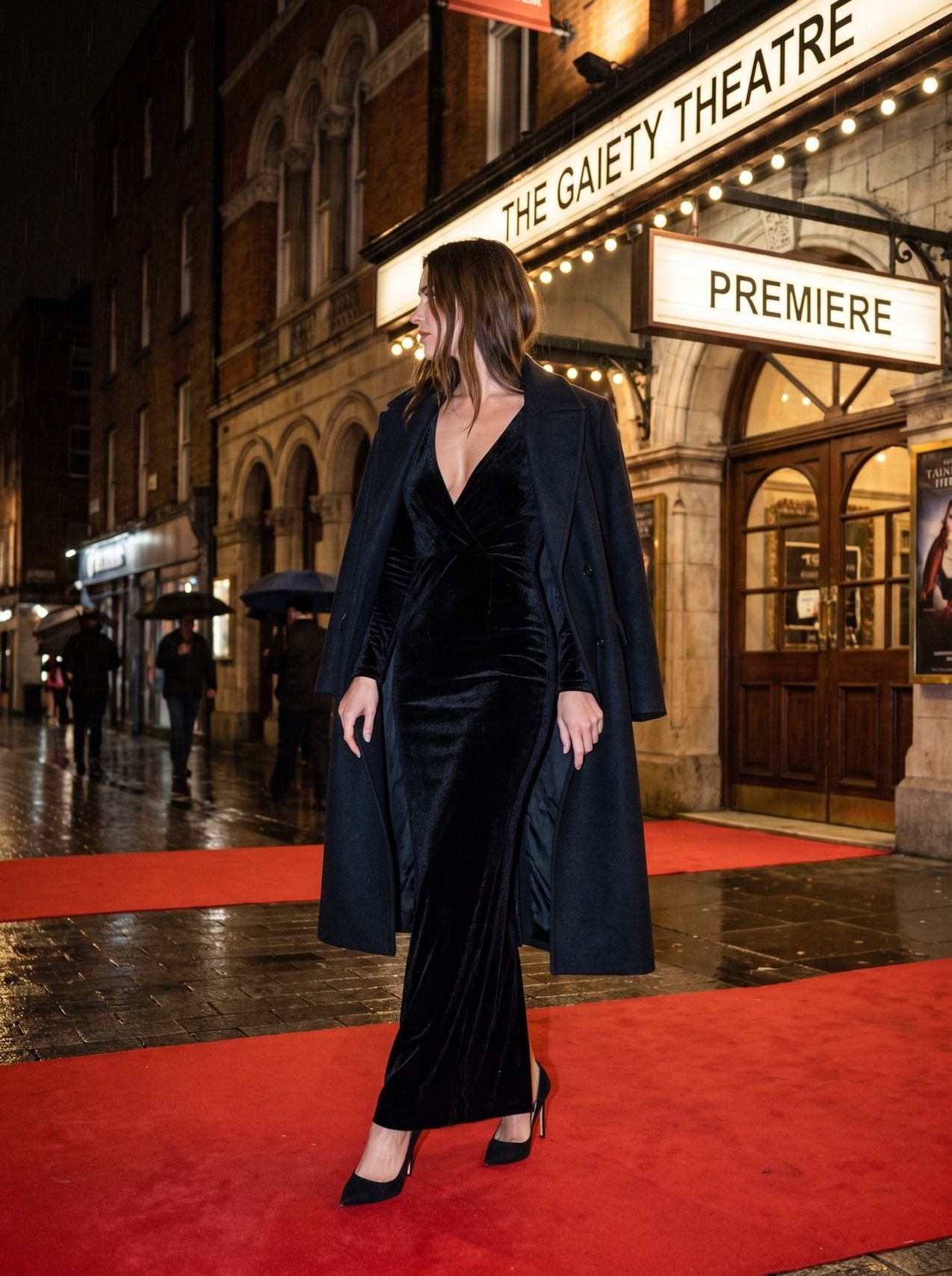
What it is
Velvet gowns and tuxedo-inspired dresses bring the structure of menswear into evening wear. They have a quiet authority that suits an industry crowd.
Why it works
Velvet absorbs light and gives depth, and tailoring lends polish. The combination is formal but not fussy.
How to wear it
- Choose a long coat in a contrasting texture, such as satin or wool.
- Add a bow tie or brooch for a sharp finish.
- Keep makeup and hair clean and strong.
Styling tip
Finish with polished shoes in patent leather. Their shine contrasts beautifully with the matte velvet.
What to look for
- Quality velvet. Silk or cotton velvet drapes better than stiff synthetic pile.
- A lining that glides. It stops the skirt from catching on tights or skin.
- A sharp finish. Clean lapels, seams and hems separate tailoring from costume.
10. Look 9: Sheer, Embroidered and Beaded Gowns
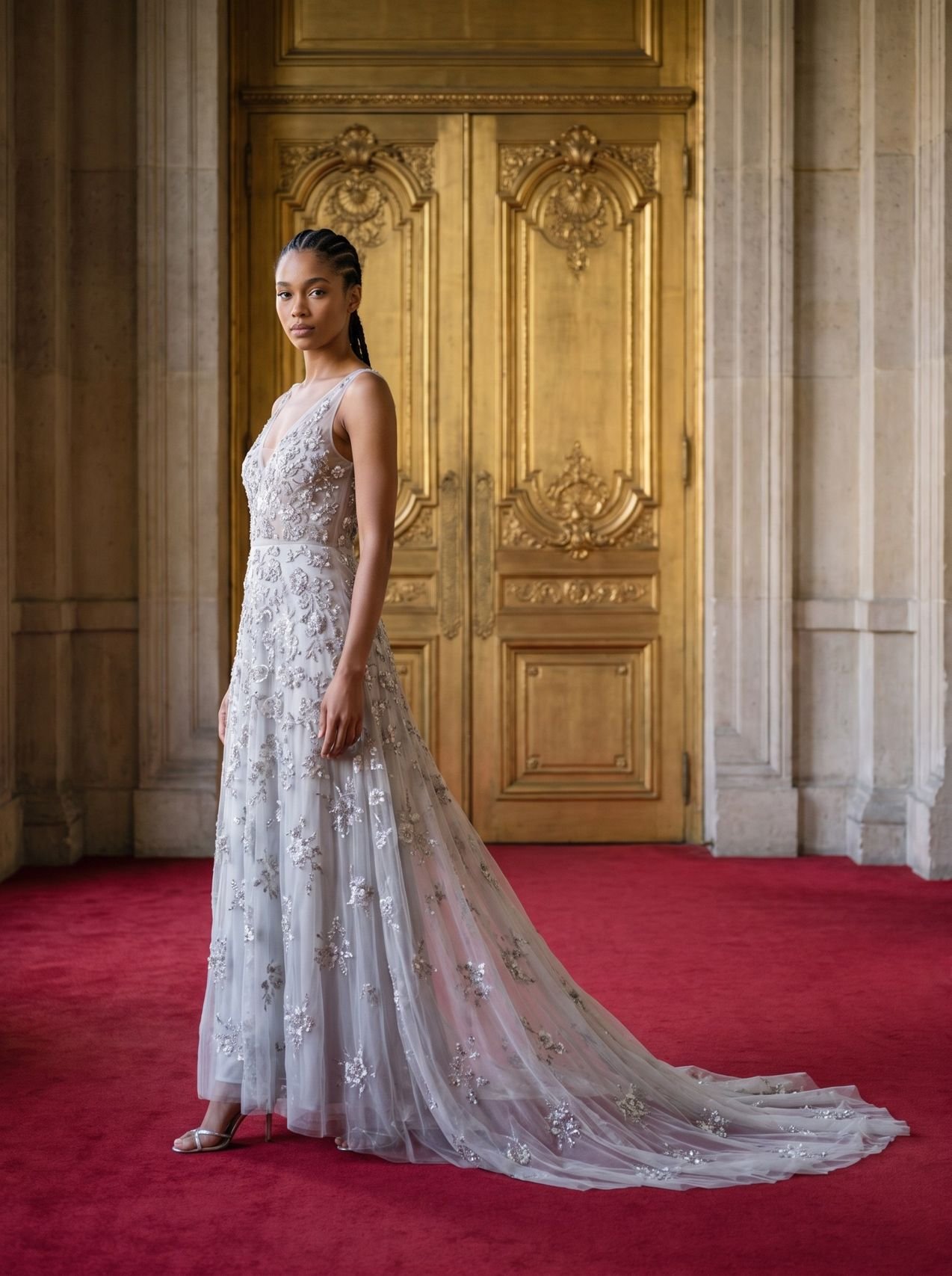
What it is
Handwork is a designer’s signature, and embroidered gowns showcase it. Floral patterns, beaded fringes and dense crystal work are common red carpet choices.
Why it works
Embellishment catches light and rewards close viewing. At a fashion event, craft is a form of conversation.
What to look for
- Quality of finish. Look at the inside of the dress as well as the outside.
- Secure fastening. Beads should be sewn, not glued.
- Smooth lining. It should protect the skin.
Mistakes to avoid
- Do not choose heavy beading if you have a long evening ahead.
- Do not wear sharp jewelry that snags embroidery.
11. Look 10: The Minimalist Slip Gown
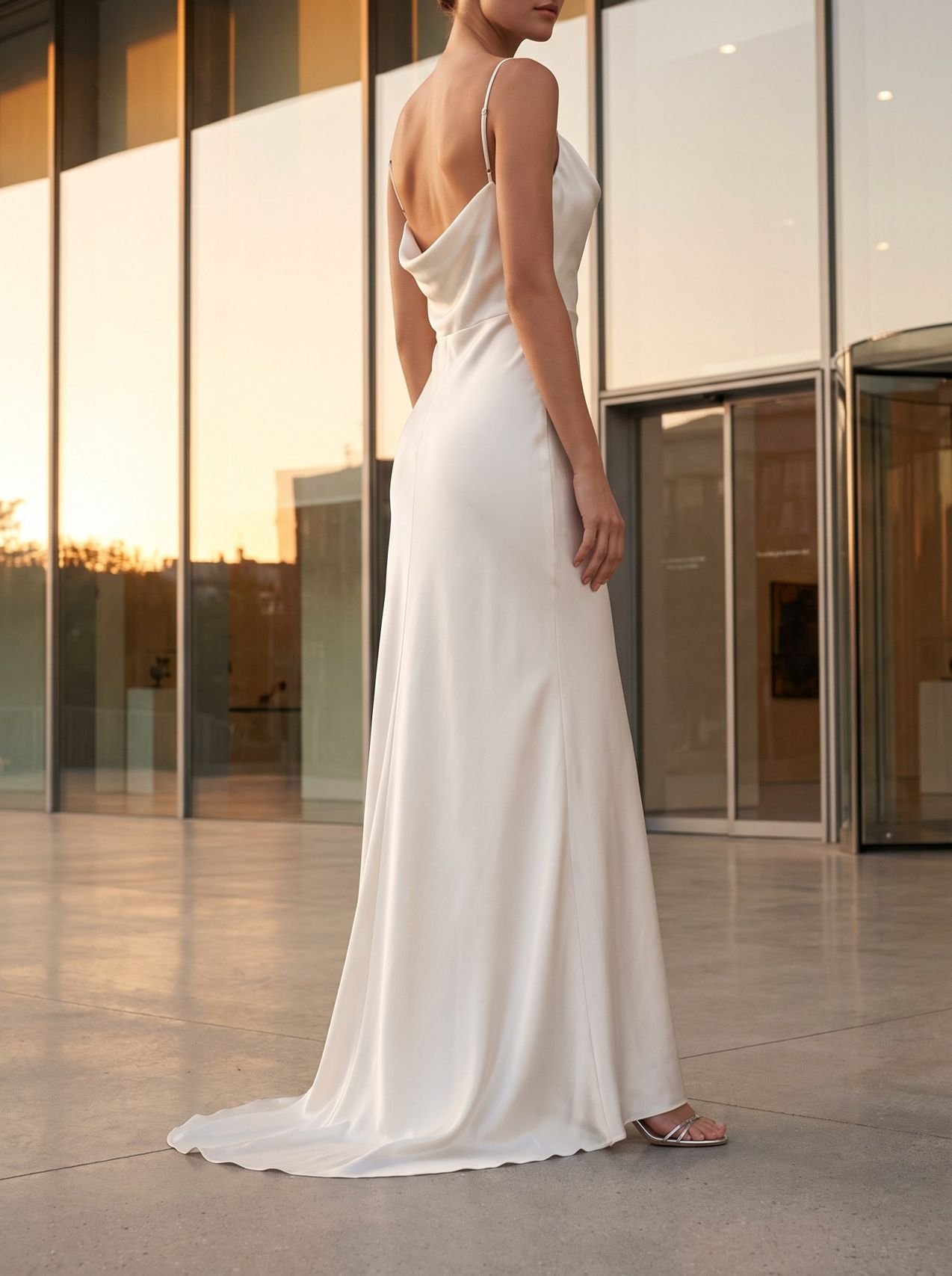
What it is
A bias-cut slip gown in silk satin is the quiet counterpoint to elaborate dresses. It is minimalist, sensual and endlessly wearable.
Why it works
When everyone else is in heavy embellishment, simplicity stands out. The fabric does the work and the body gives it shape.
What to look for
- Substantial satin. It should drape and not cling.
- A clean neckline. Cowl and straight cuts work best.
- A flattering length. It should skim the floor without dragging.
Styling tip
Add one major piece of jewelry, such as a sculptural cuff, to bring in the designer spirit of the evening.
Mistakes to avoid
- Do not wear visible underwear lines under thin satin.
- Do not add heavy layers of necklaces.
12. Look 11: Color-Blocked and Graphic Gowns
What it is
Gowns that mix two or three solid colors in big shapes feel playful and modern. They borrow from art and graphic design, and they look especially at home at a fashion event.
Why it works
Color blocking is confident and unfussy. The big shapes read clearly from a distance and give a photograph instant impact.
How to wear it
- Choose colors that sit well together, such as cobalt and red or pink and orange.
- Keep accessories neutral.
- Choose shoes in one of the dress colors.
Mistakes to avoid
- Do not add patterned accessories.
- Do not choose blocks that cut across the widest part of your body if you prefer a long, smooth line.
Fabrics and colors
Crisp satin, crepe and wool crepe keep the edges of each color block sharp. Choose saturated colors that hold up in flash photography, and avoid shades so close that the blocks blur together.
13. Look 12: Two-Piece and Skirt-and-Top Evening Looks
What it is
A dramatic skirt with a fitted bodysuit or a sharp tailored top is an increasingly popular alternative to the gown. It feels fashion-forward and gives you two pieces to re-wear.
Why it works
Separates allow proportion play. A voluminous skirt with a simple top, or a sleek skirt with a sculpted top, shows an eye for balance.
What to look for
- A connected palette. The pieces should relate in color or fabric.
- A smooth waistline. A bodysuit prevents untucking.
- Comfortable movement. The skirt should allow walking and sitting.
Styling tip
Test each piece on its own so you can wear them again in daily life.
Mistakes to avoid
- Do not choose two fabrics that clash in weight or sheen.
- Do not leave a visible gap at the waistline.
14. Look 13: Short and Cocktail-Length Dresses
What it is
Not every guest wears a floor-length gown. Mini and knee-length dresses in rich fabric offer a lighter, more youthful take on formal dressing.
Why it works
A short hem shows off shoes and moves easily. It suits the after-party and a creative crowd that prefers an unexpected silhouette.
What to look for
- Rich fabrics. Satin, taffeta and brocade lift a short dress to formal level.
- Strong shape. Bubble hems, bows and sculpted waists are all ideas to try.
- Great shoes. They become a main feature.
Mistakes to avoid
- Do not choose casual fabrics for a formal event.
- Do not skip the lining in a short dress.
15. Look 14: The Wearable Vintage-Inspired Gown
What it is
Not everyone can find a true vintage gown in their size, and that is fine. Many designers and high-street brands make dresses in the spirit of earlier decades, with bias cuts from the 1930s, full skirts from the 1950s, fluid shapes from the 1970s or sharp shoulders from the 1980s.
Why it works
Vintage-inspired dresses carry the appeal of the past with the practicality of modern construction. They come in current sizes, with sturdy zips and linings, and they are easier to care for than their archival counterparts.
What to look for
- A recognizable era. The silhouette should clearly refer to one period, not several.
- Quality fabric. Heavier silks, crepes and satins look more authentic than thin synthetics.
- Period details. Covered buttons, bows, pleats and clean seams add character.
- A modern fit. Make sure the dress suits your body and not a mannequin from a past era.
How to wear it
- Pair with modern shoes and a clean, current hairstyle.
- Choose jewelry from the same era only if you can keep it light.
- Skip the full period costume of gloves, hats and furs.
Styling tip
Make one detail current. A sharp heel, a modern bag or a fresh lip color keeps the dress feeling alive instead of dressed up.
The CFDA Awards 2026 Red Carpet Color Guide
A November event leans toward depth, warmth and a few well-chosen bright notes. Use this guide to choose a color that suits your skin, your venue and your mood.
- Color | Mood | Pair with
- Black | Classic, authoritative, timeless | Statement earrings, patent shoes, red lip
- Gold and champagne | Festive, warm, glowing | Brown or nude shoes, simple jewelry, sleek hair
- Emerald | Rich, confident, luxurious | Gold jewelry, black heels, bold brows
- Burgundy | Warm, dramatic, seasonal | Antique gold, deep plum lip, velvet clutch
- Cobalt blue | Graphic, striking, modern | Silver jewelry, neutral shoes, minimal makeup
- Ivory | Elegant, soft, vintage-feeling | Pearls, satin gloves, warm blush
- Silver | Cool, futuristic, sparkling | Clear heels, diamonds, polished hair
If you are unsure, hold the fabric next to your face in daylight. A good shade makes your skin look healthy and your eyes bright. A poor one makes you look tired. Remember that flash photography brightens colors, so very pale shades can wash out and very deep shades can look flat unless they have sheen.
Fabric and Fit Guide
Satin and duchess silk
These hold structure and shine under flash. They need accurate fitting and cannot hide mistakes, so invest in a good fit and a quality lining. Steam gently and avoid water spots.
Crepe and jersey
Matte fabrics give a clean column. They flatter movement and travel well. Use a smooth underlayer to avoid showing lines.
Velvet and taffeta
Velvet gives richness and warmth, while taffeta gives drama and rustle. Both are heavy, so consider the weight and make sure the straps and zip are strong.
Embroidery, lace and tulle
Handwork looks best when the base fabric is stable. Check the inside of the dress for neat finishing and make sure edges that touch your skin are soft.
Vintage fabrics
Old silk, rayon and taffeta can be fragile. Test seams gently, avoid dry-cleaning chemicals unless a specialist approves and ask a tailor to reinforce stress points such as underarms and zips before the event.
Underpinnings and support
A beautiful gown depends on what is underneath. Use a strapless or low-back bra where the cut requires it, choose seamless underwear in a tone close to your skin and consider a slip for fabrics that cling. Fashion tape secures necklines, and small hooks sewn to the inside keep straps in place. Test everything while moving, not only standing.
Fit essentials
- Shoulders and neckline. They must stay in place when you move.
- Waist and ribcage. Allow room to breathe and sit.
- Hem. With heels on, the hem should clear the floor by about a finger’s width unless it is a train.
- Movement. Practice getting in and out of a car, climbing stairs and hugging.
How to Build a Dress Look: Formulas
These are simple recipes for putting a red carpet look together. Use them when you want a plan and do not want to overthink.
- Formula 1: sculptural gown, quiet details. Strong shape, small earrings, sleek hair and a plain clutch.
- Formula 2: vintage gown, modern edit. Archival silhouette, minimal jewelry and clean makeup so it reads as chosen, not costume.
- Formula 3: column with one statement. A sleek crepe column with a single big earring or cuff.
- Formula 4: metallic and matte. Gold gown with matte nude shoes and a soft lip.
- Formula 5: jewel tone and gold. Emerald or burgundy gown with antique gold jewelry.
- Formula 6: tailoring and softness. Structured shoulders with a fluid skirt and delicate heels.
- Formula 7: short and sharp. A rich-fabric mini with tall heels and a structured bag.
- Formula 8: two-piece drama. Voluminous skirt, fitted top and bare accessories.
Mistakes to Avoid
- Over-styling. A fashion crowd rewards clear ideas, not a pile of them.
- Wearing vintage without a fitting. Old clothes rarely fit as they are.
- Ignoring comfort. If you cannot sit, you will not enjoy the night.
- Choosing a train you cannot manage. Practice in your shoes.
- Mixing too many metals. One story is enough.
- Skipping the back. Photographers shoot from all sides.
- Following a trend without liking it. Wear what makes you feel like you.
- Leaving the care label unread. Delicate silks, velvets and beaded fabrics each need different cleaning.
- Forgetting weather. A November evening is cold, so plan a coat that suits the gown.
Frequently Asked Questions
What are the CFDA Awards? They are the annual fashion awards presented by the Council of Fashion Designers of America. The 2026 ceremony took place in November.
What was the dominant mood on the 2026 red carpet? Coverage pointed to standout vintage pieces, and gold appeared among the looks. Beyond that, this guide describes general styles in the way fashion awards nights tend to show them, rather than particular outfits.
How do I wear vintage to a formal event? Choose a piece in good condition, have it fitted, and keep your styling simple so the dress stands out. Choose modern shoes and light jewelry to avoid a costume effect.
Where can I find vintage gowns? Look at specialist vintage dealers, reputable resale platforms and auction houses. Ask about condition, measurements and any repairs, and check return policies.
Is gold too much for a formal event? Not at all, when the fabric has texture and the shade suits you. Pair with simple shoes and restrained jewelry.
What should I wear if I do not like gowns? A tailored jumpsuit, a skirt and bodysuit pair or an evening suit in satin or velvet can be just as formal.
How can I look polished on a budget? Choose a simple, well-fitted dress in a good color, and add one standout accessory. Rent a gown, buy pre-owned or find a seamstress to alter a find.
What shoes work with a long gown? Slim heels or elegant flats in a color that blends with the dress. Make sure the hem is hemmed for the shoes you will wear.
How do I manage a long train? Practice lifting and turning, ask a friend to help in the car and on stairs and use a wrist loop. Keep the train clean by avoiding wet surfaces.
How do I keep my dress from creasing during travel? Use a garment bag, fold along the seams with tissue and steam on arrival. Hang it in a steamy bathroom if you do not have a steamer.
Can I wear a short dress to a formal awards night? Yes, if the fabric and styling are rich enough. Satin, taffeta, brocade and velvet in a sculpted shape read as formal, especially with elegant shoes and a polished bag.
What makes a dress look expensive in photographs? Fit, fabric weight and clean lines do most of the work. A dress that sits smoothly, moves well and has a simple, strong shape will look considered, whatever it costs.
How do I know whether vintage is right for me? Ask yourself whether you enjoy the story and whether the dress can be made comfortable. If a piece needs heavy restoration or restricts movement, a vintage-inspired alternative may be the better choice.
Final Thoughts
The CFDA Awards red carpet shows that great dressing is more than a pretty gown. It is an idea, a fit and a point of view. Whether you borrow from vintage, choose a sculptural silhouette or glow in gold, the lesson is the same: pick one clear idea, make sure the dress fits you perfectly and wear it with ease. The best looks at any awards night are those that seem effortless, and that comes from preparation, a trusted tailor and a dress you love. Take what inspires you from the carpet, and leave the pressure behind.
Bonus Chapter: Bringing Red Carpet Style Into Your Life
At work and events
Industry events, galas and award nights call for a polished gown or a sharp evening suit. For office parties, choose a satin midi or a velvet dress with a blazer. For weddings, pick a deep jewel tone or soft metallic, and check the dress code first.
Dressing for your body
- Petite. Choose a column or a high-waisted gown to lengthen.
- Tall. Dramatic trains, long sleeves and wide skirts balance your height.
- Curvy. Structured bodices, wrap shapes and velvet give support and shape.
- Athletic. Draped necklines and volume skirts add softness.
- Pear shape. Bold shoulders and embellished bodices balance your hips.
- Apple shape. A defined waistline or empire cut with a flowing skirt feels comfortable.
On a budget
Choose a simple silhouette in a rich color, then invest in tailoring. Rent for the night, shop vintage markets or buy pre-owned from reputable platforms. Borrow jewelry or choose one great earring. A beautiful fit will beat an expensive label every time.
A seven-day plan
- Day 1. Gather inspiration and decide on your idea: vintage, sculpture, metallic or color.
- Day 2. Set a budget and find three options.
- Day 3. Try them on and choose the best fit and color.
- Day 4. Book your tailor and plan your underlayers.
- Day 5. Test shoes, hair and jewelry together.
- Day 6. Practice stairs, sitting and car entries, then steam the dress.
- Day 7. Rest, hydrate and edit one accessory.
Hair and makeup
Think of hair and makeup as the frame. With a sculptural gown, try a sleek bun. With a vintage gown, soft waves or a gentle pin curl suit the era. Keep makeup clean and let one feature, such as lips or eyes, lead. Choose skin that glows rather than shimmers.
Sustainable choices
Vintage is already sustainable, and pre-owned or rented gowns have the same benefit. If you buy new, choose timeless cuts and quality fabrics that you will wear again. Look after the dress with proper storage, regular airing and quick repairs.
Shoes, bags and jewelry
Red carpet accessories should add to the dress and not compete with it. Choose shoes that you can stand in for hours, in a tone that blends with the hem. A small clutch or minaudiere is traditional, and a chain strap makes it hands-free. For jewelry, choose one focus: earrings, a necklace or a cuff. If the dress has embroidery or a bold neckline, keep jewelry light. Remember that vintage gowns often pair well with simple, modern pieces.
Occasion guide
- Fashion awards or gala. A sculptural gown, vintage piece or rich-colored column.
- Black-tie wedding. A jewel-tone or soft metallic gown with a modest train.
- Holiday party. A velvet or satin midi with strong shoes.
- Theatre or opera night. A black column or velvet gown with an elegant coat.
- Industry cocktail event. A short rich-fabric dress or a two-piece in a strong color.
Shopping smart
Check the fabric, the lining and the seams, and read reviews for sizing. For vintage, ask for measurements and photographs of the inside. For rentals, order early and check the cleaning policy. Always try on the dress with the shoes and underlayers you plan to wear, and ask a friend for an honest opinion from every angle.
On the night
Arrive early, so you can settle into the dress without rushing. Carry a small kit with tape, a safety pin, blotting paper and lip color. Sit carefully, drink water and eat before you go. Enjoy the evening, because a dress always looks better on someone who is having fun.
Planning your arrival
Think through the logistics of a long dress before the evening. Choose transport that gives you space, ask the driver to wait while you gather the skirt and plan where you will change shoes if needed. Allow extra time for photographs and greetings, and know the dress code of the venue so that you arrive feeling prepared. A calm arrival makes any gown look better.
Caring for the dress afterward
Air the gown on a padded hanger or lay it flat if it is heavy, then check seams and hems. Remove marks gently with a clean damp cloth, and take delicate or vintage pieces to a specialist cleaner. Store in a breathable bag away from direct light, with acid-free tissue in the sleeves and bodice to keep their shape.
Confidence checklist
- The dress fits and moves with me.
- The color flatters my skin in daylight and under flash.
- I have practiced walking, sitting and stairs.
- My accessories are edited and comfortable.
- The dress suits the dress code.
- I feel like the best version of myself.