

A detailed, practical guide to buying secondhand in 2026: where to shop, what to look for, how to check condition and fit, and how to turn thrifted pieces into outfits that feel current.

Secondhand shopping used to be a side route for people with time and patience. In 2026 it is a main road. Resale apps, consignment boutiques, charity shops, clothing swaps and vintage fairs now sit comfortably next to new retail in the way many people build a wardrobe. The appeal is practical as much as ethical: better fabrics for the money, cuts that no longer exist in stores, and a wardrobe that looks like it belongs to one person rather than to one season.
This guide covers the whole process. You will find where to shop and what each channel is good for, which categories give the best return, how to read a label and judge condition, how to check fit before you buy, and how to care for and alter what you bring home. Each section ends with concrete ways to wear the pieces and the mistakes that make secondhand outfits look accidental instead of chosen.
Use it as a working plan. Skim the Big Picture for the principles, pick the two or three sections that match your wardrobe gaps, and take the checklists with you when you shop. Secondhand rewards a clear brief, so decide what you need before you scroll or browse.
1. The Big Picture: What Defines Secondhand Fashion in 2026
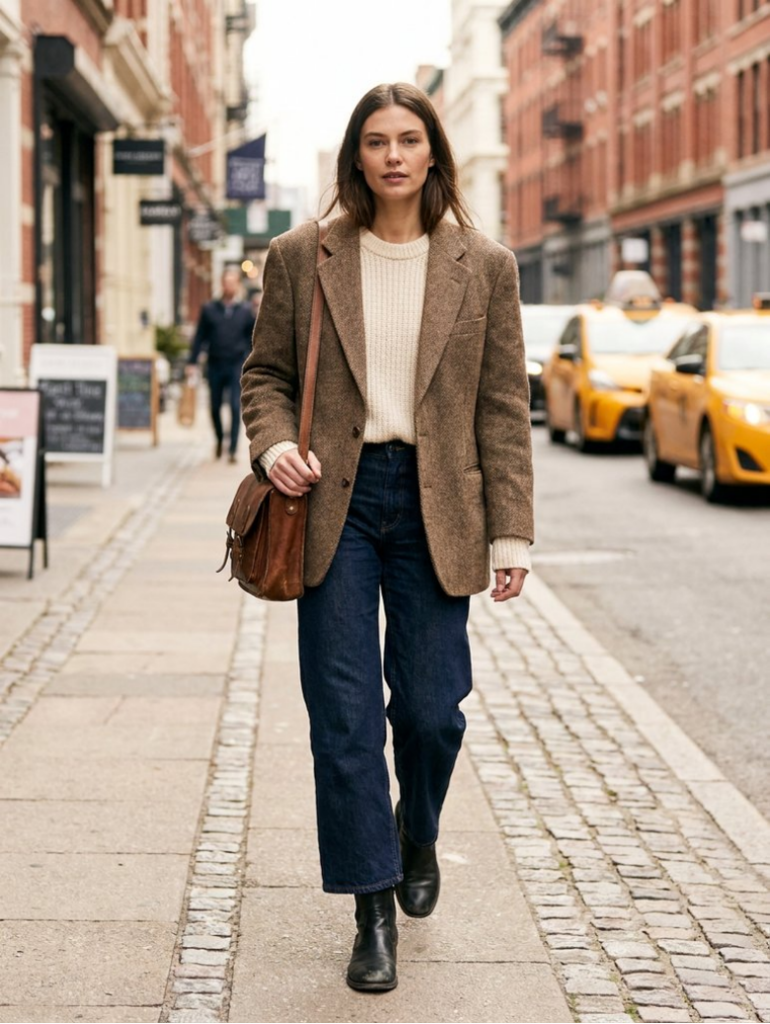
Six ideas shape how people shop secondhand this year.
1. Quality first The best reason to buy used is fabric. Wool, silk, linen, cotton and leather made years ago often outlast new equivalents, and you pay for the material instead of the marketing.
2. Curation beats volume Shoppers are buying fewer, better pieces and wearing them for years. A short, deliberate list works better than an overflowing cart.
3. Mixing old and new The strongest outfits pair one secondhand statement with simple new basics, or the reverse. Head-to-toe vintage can look like costume.
4. Condition is a skill Knowing how to spot pilling, seam stress, odor and sun fading separates a great find from a regret. Inspection is part of the style.
5. Fit through alteration A tailor turns a nearly right piece into a perfect one. Budget for hems, waists and sleeves as part of the purchase.
6. Personal over trendy Secondhand pieces carry their own character, so the goal is an individual wardrobe rather than a copy of a feed.
2. Where to Shop: Matching the Channel to the Piece

What it is
Secondhand is not one market. Charity shops, consignment stores, curated vintage dealers, online resale apps, auction listings, swaps and sample sales each behave differently on price, selection and reliability.
Why it works
Matching the piece to the channel saves money and time. Everyday basics are plentiful in charity shops, while one-off designer-quality coats are more likely to appear in consignment or curated vintage.
Options
- Charity and thrift shops Best for denim, knitwear, shirts and trial runs of new styles at low cost.
- Consignment boutiques Staff pre-select, so quality and condition run higher and the browsing is faster.
- Online resale apps Best for specific searches by size, brand category and measurement, with the tradeoff that you cannot touch the fabric.
How to wear it
- Shop in person for coats and tailoring You can feel the weight and try the shoulders.
- Search online by exact measurement Ignore the tag size and compare to a garment you already love.
- Visit swaps and fairs They are good for accessories and unusual pieces at friendly prices.
- Go often and briefly Short, frequent visits catch new stock better than one long trip.
Mistakes to avoid
- Buying because it is cheap A low price on something you will not wear is still wasted money.
- Skipping return policies Many online sales are final, so read terms before you pay.
Styling tip
Set a simple routine. Keep a note on your phone with your measurements, your palette and the three pieces you want most, then check each channel with that note open. A routine turns browsing into sourcing, and it protects you from the sale rail that has nothing you need.
3. The Outerwear Hunt: Coats and Jackets
What it is
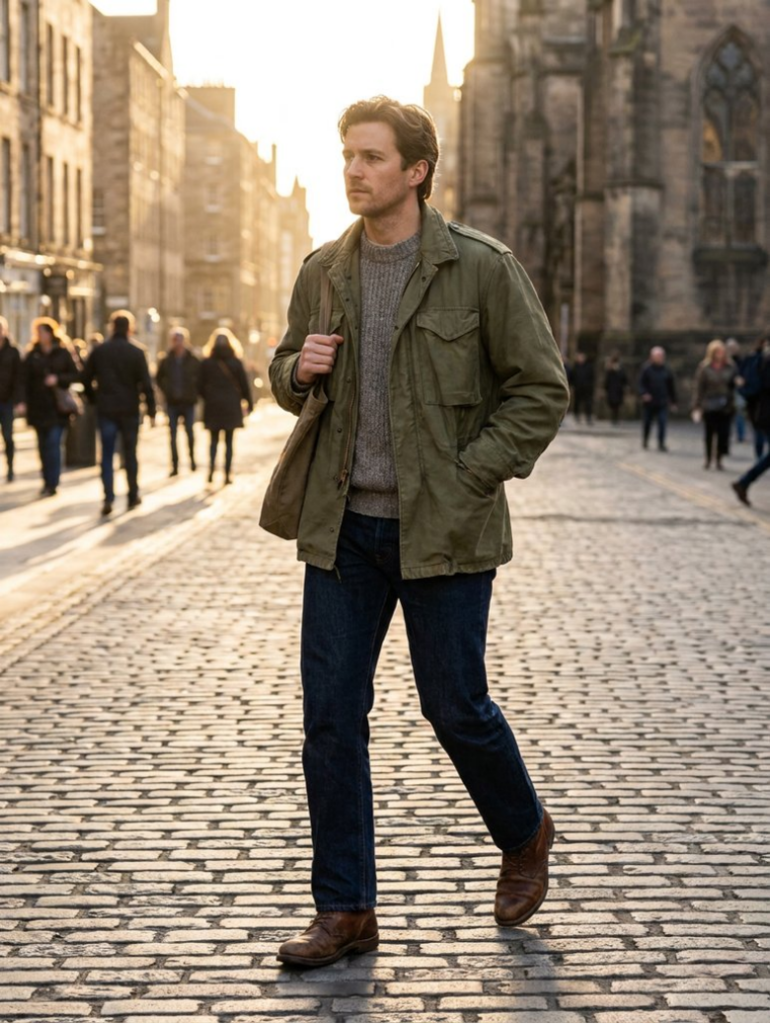
Outerwear is the strongest secondhand category. Heavy wool overcoats, trench coats, field jackets, quilted and waxed jackets and shearling were built to last and are often sold at a fraction of the cost of new ones.
Why it works
A good coat sets the tone of every outfit under it, so spending effort here pays back daily. Older coats also tend to have proper linings, deep hems and structured shoulders that are rare at lower price points now.
What to look for
- Lining condition Check underarms and the lower back for tears, which are costly to replace.
- Collar and cuffs Fraying here is the first sign of heavy wear.
- Shoulder fit Shoulder seams should sit at the edge of your shoulder, since this is the hardest part to alter.
How to wear it
- Camel coat over a grey knit and straight jeans A timeless, low-effort formula.
- Field jacket over a shirt and tailored trousers Casual layered over smart.
- Long wool coat over a slip skirt and boots Contrast of soft and structured.
- Shearling over a plain tee and wide denim Texture does the work.
Mistakes to avoid
- Ignoring odor Smoke and mustiness can linger inside wool linings.
- Buying a big shoulder you cannot alter Sleeves can be shortened but shoulders rarely can.
Styling tip
Try the coat with the thickest sweater you plan to wear under it, and raise your arms. If the sleeves lift far above the wrist or the back pulls, keep looking. Older coats are often cut narrower across the back than modern ones, so comfort in movement matters more than the number on the label.
4. Vintage Denim: Jeans and Jackets
What it is
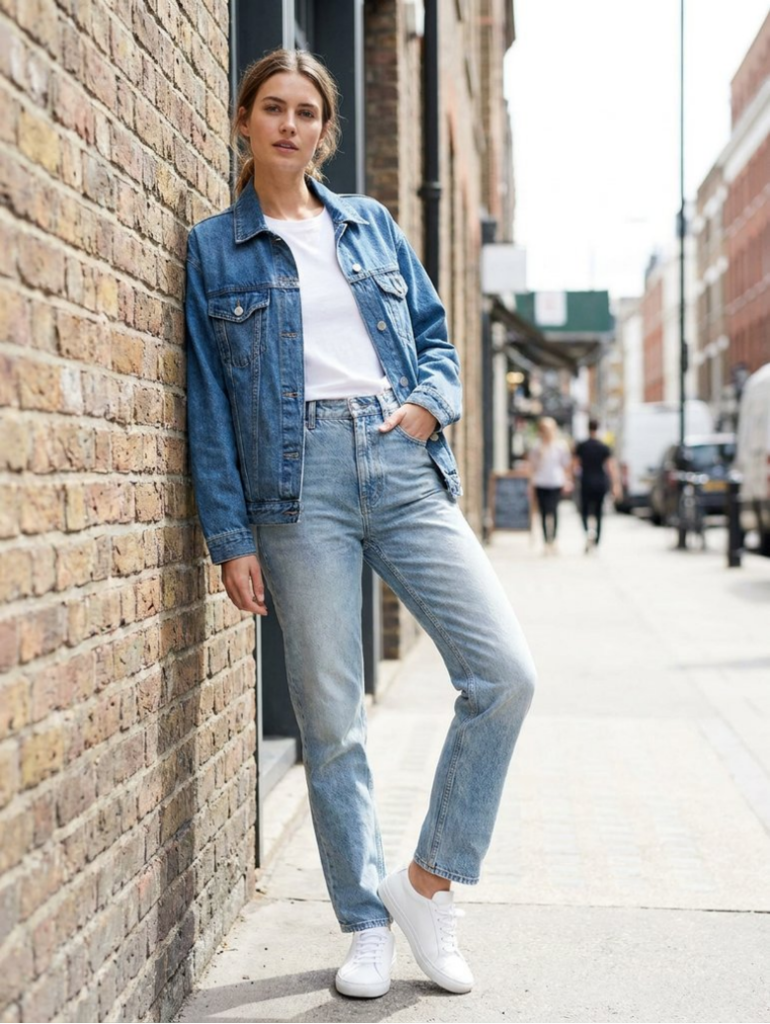
Denim is the easiest place to start. Faded straight-leg jeans, relaxed cuts, worn-in jackets and chore coats have a softness and color that new pairs struggle to imitate.
Why it works
Real wear shapes denim in ways that look natural: soft knees, subtle whiskering, a color that has settled. Secondhand pairs also come in higher rises and straighter legs that suit the relaxed silhouettes of 2026.
What to look for
- Weight and weave Sturdy cotton with little stretch tends to keep its shape.
- Crotch and inner thigh Thin patches here mean the pair is near the end of its life.
- Waist measurement Lay the waistband flat and measure, because old sizing differs widely.
How to wear it
- Straight jeans, tucked white shirt and loafers Clean and classic.
- Denim jacket over a slip dress Soft against rugged.
- Double denim in two different washes Keep the shades clearly apart.
- Cuffed hems with ankle boots Shows the shoe and fixes length.
Mistakes to avoid
- Buying too small to shrink into Vintage cotton rarely stretches back.
- Skipping the fly and button check Replacing hardware is possible but fiddly.
Styling tip
Wash vintage denim inside out in cold water and hang it to dry, so the color you chose stays put. If a pair is slightly long, cuff it instead of cutting it, and keep the original hem if you can, because an unbroken original hem is part of the look.
5. Knitwear: Wool, Cashmere and Cotton Sweaters
What it is
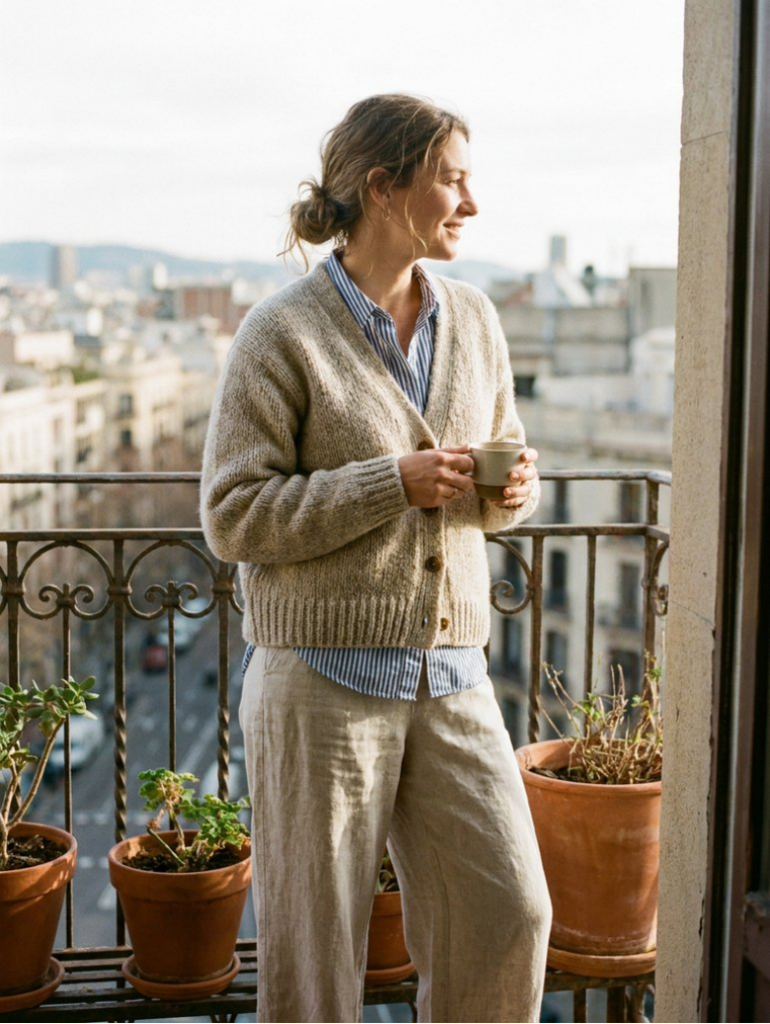
Knitwear is where secondhand savings are largest. Wool, lambswool, cashmere and thick cotton sweaters are expensive new, yet they are common and cheap in resale because many are barely worn.
Why it works
Natural fibers breathe, hold warmth and age gracefully if looked after. A good sweater with clean ribbing and tight stitches can be revived with a gentle wash and a de-pilling comb.
What to look for
- Fiber content label Look for high wool, cashmere or cotton content and low acrylic content.
- Elbows and underarms Check for thinning, holes and stretched fabric.
- Moth signs Tiny holes along seams or shed casings mean you should walk away.
How to wear it
- Oversized crewneck over a collared shirt A tidy preppy layer.
- Fitted cashmere with pleated trousers Quiet and sharp.
- Cardigan over a slip dress Soft and relaxed.
- Roll-neck under a blazer Warmth without bulk.
Mistakes to avoid
- Skipping a wash plan Wool needs cool water and flat drying.
- Buying pilled knits you cannot revive Heavy felting is permanent.
Styling tip
Keep a fabric comb or shaver at home and use it lightly on the first wash day. Fold knits instead of hanging them, since hangers stretch the shoulders. A secondhand sweater treated this way often looks better a year later than a new one that was never cared for.
6. Tailoring and Suiting: Blazers, Trousers and Skirts
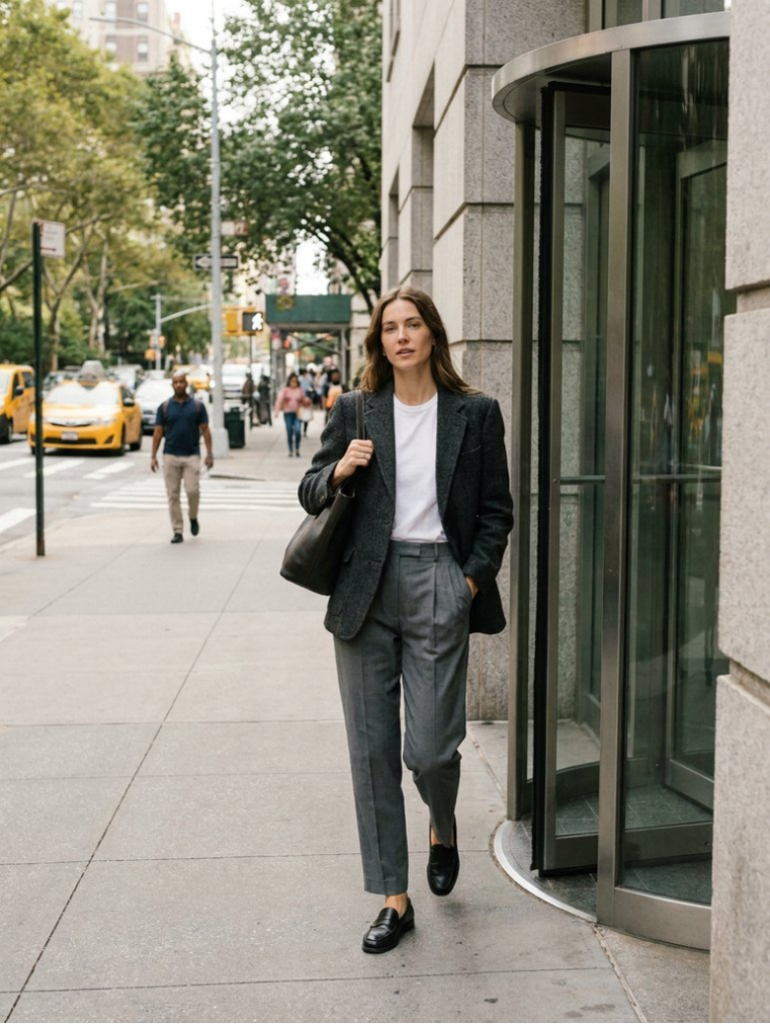
What it is
Secondhand tailoring is a quiet bargain. Wool blazers, pleated trousers, tweed skirts and waistcoats from past decades are often made with better canvas, lining and fabric than their modern counterparts.
Why it works
Structured pieces hold their shape for years, and a tailor can adjust them with simple changes. A single well-cut blazer lifts jeans, a dress or a simple knit instantly.
What to look for
- Interior construction A fully lined jacket with a clean interior and firm lapels is a good sign.
- Shoulder pads Mild padding gives a good line and is easy to modify.
- Trouser fabric Wool or wool blends hang better than shiny synthetics.
How to wear it
- Vintage blazer with jeans and a plain tee Dress up and down in one move.
- Pleated trousers with a fine knit Smart without stiffness.
- Matching suit worn as separates Doubles the outfit count.
- Tweed skirt with flat boots Traditional but current.
Mistakes to avoid
- Overlooking the waist and hem Both are affordable fixes, so budget for them.
- Ignoring sweat marks Yellowing at the underarms is difficult to remove.
Styling tip
If a jacket is nearly perfect but the sleeves are long, ask a tailor about shortening from the cuff. If the lining is tired, replacing it is often cheaper than buying a new jacket and gives the piece a fresh interior that nobody sees but you.
7. Dresses and Skirts: Silk, Cotton and Linen

What it is
Dresses from earlier decades offer prints, cuts and fabrics that are hard to find new: bias-cut silk slips, cotton tea dresses, linen shirt dresses and fluid viscose midis.
Why it works
Older dresses often have generous seams, proper linings and stronger zippers. They feel individual, and a printed dress can be styled in many seasons.
What to look for
- Seam allowance Wide seams give room for alterations.
- Zipper and closures Test them fully before paying.
- Lining Silky linings should be intact and unstained.
How to wear it
- Slip dress with a T-shirt layered underneath Casual and modern.
- Midi dress with a denim jacket Soft against rugged.
- Shirt dress belted with loafers Neat daywear.
- Floral dress with chunky boots Prevents a sweet look.
Mistakes to avoid
- Ignoring fabric stress Silk can shatter along old folds.
- Skipping a test sit and reach Check seams under strain before buying.
Styling tip
A thrifted dress can feel too sweet in its original form. Change one element: swap the belt, add a sharper shoe, layer a boxy jacket, or shorten the hem a little. The shape stays vintage but the mood becomes yours.
8. Bags, Belts and Leather Goods

What it is
Leather bags, belts and small goods are some of the best secondhand buys because good leather improves with age and can be restored.
Why it works
Quality hardware, thick leather and careful stitching are visible at a glance. A bag costs less secondhand than new, and one well-made piece can last for decades.
What to look for
- Edge paint and corners Cracks and peeling are repairable but costly.
- Handles and straps Check the attachment points for stress.
- Interior smell and stains Ink and mildew are hard to remove.
How to wear it
- Structured top-handle bag with tailoring Instant polish.
- Slouchy shoulder bag with jeans Relaxed everyday carry.
- Woven belt with straight trousers Quiet detail.
- Crossbody with a long coat Practical and neat.
Mistakes to avoid
- Ignoring repair costs Factor in conditioning or re-stitching before you buy.
- Falling for hardware alone Shiny clasps cannot save poor leather.
Styling tip
Clean leather with a soft damp cloth, let it dry naturally, then condition it lightly. Test any product on a hidden spot first. Stuff bags with paper when you store them so they hold their shape, and keep them in cloth covers away from direct sun.
9. Shoes: Boots, Loafers and Flats
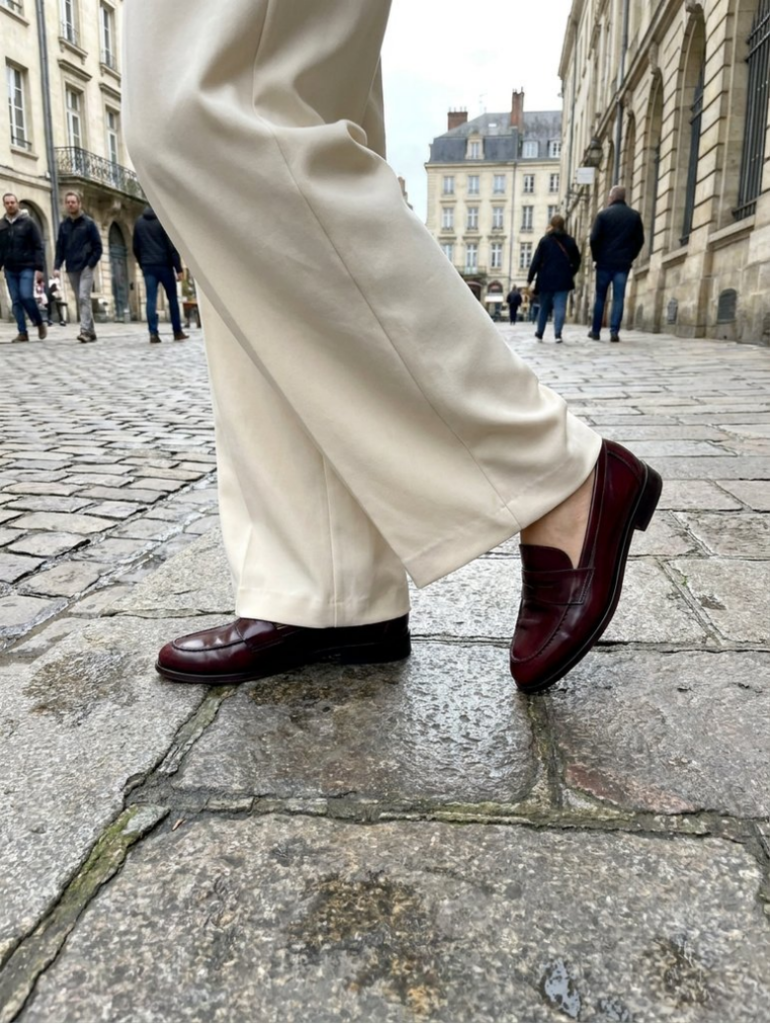
What it is
Secondhand shoes need more care, but leather boots, loafers, Mary Janes and flat shoes can be excellent value when well kept.
Why it works
Resoling, heel replacement and polishing can extend the life of well-made leather shoes. Shoes that have been broken in are often more comfortable than new ones.
What to look for
- Sole wear Even wear and some remaining tread is ideal.
- Insole shape Heavy footprints and deep cracks suggest the shoe will not suit you.
- Leather upper Look for supple leather without deep creasing.
How to wear it
- Loafers with straight trousers and socks Classic and comfortable.
- Ankle boots with a midi skirt Day to evening.
- Flat Mary Janes with wide jeans A softer finish.
- Leather boots with cuffed denim Rugged and neat.
Mistakes to avoid
- Buying the wrong size hoping to stretch Leather has limits.
- Ignoring hygiene Clean and deodorize the interior before wearing.
Styling tip
Add new insoles for comfort, and a simple heel grip if needed. Polish leather in a matching shade and brush it regularly. A cobbler can rebuild a worn heel tip for a small cost, and shoes treated that way keep looking intentional for many seasons.
10. Accessories and Jewelry
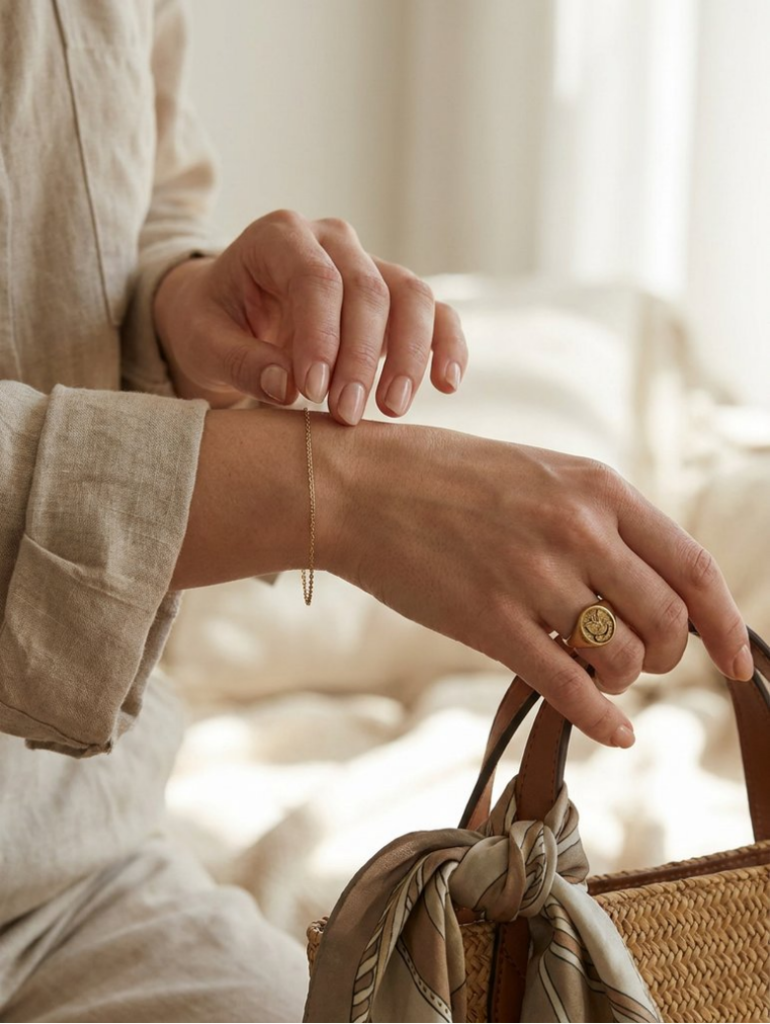
What it is
Scarves, belts, brooches, watches and metal jewelry from earlier decades give outfits their character at modest cost.
Why it works
Small accessories are easy to store, easy to inspect and rarely need fitting. A silk scarf or a vintage brooch can change a plain outfit completely.
What to look for
- Silk scarves Check for pulled threads and water marks.
- Metal jewelry Look for clear markings and secure clasps.
- Watches Buy only from sellers who describe servicing and condition.
How to wear it
- Silk scarf tied on a bag A bright accent.
- Brooch on a blazer lapel or knit Small and personal.
- Stacked thin chains Layer them with a plain neckline.
- Vintage belt with plain jeans Defines the waist.
Mistakes to avoid
- Mixing too many statement pieces Choose one focal point.
- Skipping cleaning Polish metals gently and wipe leather bands.
Styling tip
Accessories are the safest place for beginners to experiment. Choose one metal tone, either gold or silver, and keep it consistent across your outfit. If a piece is a statement, let the rest of the outfit stay quiet, so the vintage detail is read as a choice and not as clutter.
11. Color Guide: Building a Cohesive Secondhand Palette

Secondhand stock is random, so a defined palette keeps the wardrobe cohesive. Choose two or three base colors and one or two accents, then ignore everything outside them.
- Base neutrals Navy, charcoal, cream and camel work with almost everything.
- Earth tones Olive, rust, chocolate and tan suit natural fabrics and age well.
- Deep accents Burgundy, forest green and ink blue add richness without shouting.
- Brights in small doses A red scarf or cobalt knit works as a single focal point.
- Fading Vintage colors are often softened, so match by eye in daylight, not under shop lights.
When two secondhand pieces almost match, the difference looks deliberate if you add a third piece that bridges them.
12. Fabric and Fit Guide
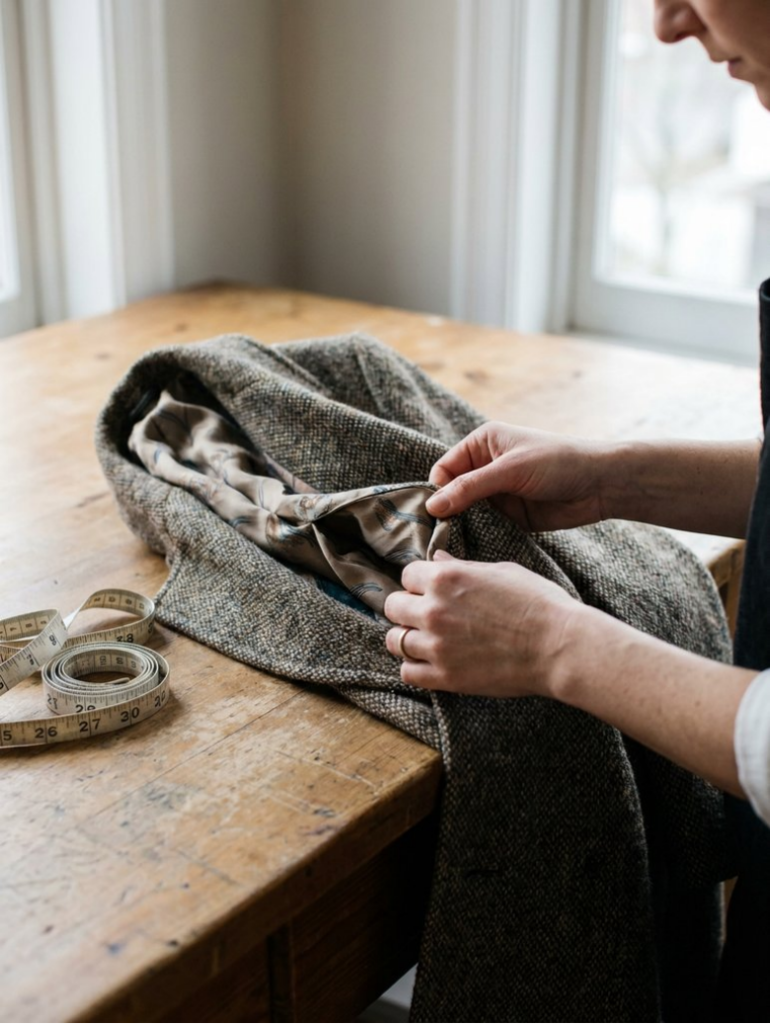
Fabric tells you how a piece will age. Fit tells you whether you will wear it. Check both before you pay.
- Wool and cashmere Warm, durable and repairable. Avoid moth holes and heavy felting.
- Cotton and linen Breathable and easy to wash. Check for thin patches and yellowing.
- Silk Beautiful, but delicate. Test for odor and weakened fabric by lightly tugging a seam.
- Leather Supple leather is repairable. Dry, cracked leather is not.
- Synthetics Fine for linings and blends, but strong odors and pilling often stay.
- Measure, do not trust tags Sizing has changed over decades. Compare shoulder, bust, waist, hip, inseam and sleeve to a favorite garment.
- Plan the alterations Hems, waists and sleeve lengths are routine. Shoulders and fabric thickness are not.
- Check under strain Sit, reach and raise your arms in the fitting room.
13. How to Build an Outfit: Formulas
- Vintage coat + new basics A secondhand wool coat over a new white tee and plain jeans.
- Vintage denim + silk Faded jeans with a thrifted silk blouse and loafers.
- Blazer + knit + trousers A tailored blazer over a fine sweater with pleated trousers.
- Slip dress + chunky knit A secondhand slip dress under a thick cardigan and boots.
- Tonal neutrals Camel, cream and tan in different textures, finished with a leather bag.
- Statement scarf + plain outfit A silk scarf on a bag or at the neck against a navy base.
- Old leather + new sneakers A leather jacket with clean white trainers and straight jeans.
- Work uniform A thrifted shirt, wool trousers, loafers and a structured bag.
14. Mistakes to Avoid
- Buying without a list Write down your wardrobe gaps first.
- Ignoring condition Inspect seams, underarms, lining and smell before paying.
- Trusting tag sizes Measure, always.
- Skipping the alteration budget A small fix can make a good piece great.
- Wearing head-to-toe vintage Balance one old statement with modern basics.
- Overbuying bargains A piece is only cheap if it is worn.
- Neglecting care Wash, steam, mend and store properly, or the savings disappear.
15. Frequently Asked Questions
- Is secondhand clothing hygienic? Yes, if you wash or dry-clean it before wearing. Use the highest heat the fabric allows, and soak delicate pieces in a gentle detergent or send them to a cleaner.
- How do I remove odor from thrifted clothes? Air them outdoors, wash with white vinegar in the rinse if the fabric allows, or use a steamer. For wool and leather, a professional cleaner is the safest choice.
- How do I know a piece will fit online? Request measurements, compare them with a garment you own, and check return rules. If the seller does not give measurements, move on.
- Which items should I never buy used? Many people avoid worn-out shoes, swimwear and underwear. Everything else can be bought if it is clean and in good condition.
- Is it worth tailoring secondhand clothes? Usually yes for blazers, coats, trousers and dresses, because fabric and construction are often better than new items at the same price.
- How do I stop impulse buying? Keep a wardrobe list, set a monthly limit, and wait a day before buying anything that is not on it.
16. Final Thoughts
Secondhand fashion in 2026 is not a compromise. It is a way to buy better fabric, find cuts that no longer exist, and build a wardrobe with a point of view. Start with the categories that give the best return, such as coats, denim and knitwear, learn to inspect and measure, and let a tailor close the gap between nearly right and right. Mix old and new, keep a defined palette, and care for everything you buy. The result is a wardrobe that costs less, lasts longer and looks like yours.
17. Bonus Chapter: Care, Repair and Finishing Touches
Care and repair
What you do after the purchase decides whether the savings last. Wash or clean everything before wearing it, and mend small problems early. A loose button, open seam or small hem drop takes minutes to fix now and costs a garment later.
- Wash wool in cool water Dry it flat and never hang it wet.
- Steam instead of ironing Steam relaxes creases and refreshes fibers gently.
- Condition leather A good cream every few months prevents cracking.
- Use cedar and sealed storage Protect wool from moths.
Hair, makeup and finishing touches
Secondhand outfits look best with simple grooming. Keep hair neat, let skin look natural, and choose one detail, such as a bold lip or a vintage brooch, as the finishing note. A pressed, steamed garment looks more expensive than any brand name.
Sustainable style choices
Buying used extends the life of clothes that already exist. Extend it further by wearing items often, repairing them, and passing them on when you are done through a swap, a resale listing or a donation.
Confidence checklist
- Do I need this? Does it fill a gap in my wardrobe?
- Does it fit? Have I measured it and tested movement?
- Is the condition good? Have I checked seams, lining, underarms and smell?
- Will I wear it three times this month? Can I name three outfits right now?
- Would I buy it new at this price? If yes, it is a good find.
Shop with a list, a tape measure and a little patience, and secondhand will give you a wardrobe that feels entirely your own.