
By Europe Travel Editor | Updated: 2026 | European Destinations | Cultural & Adventure Travel
Introduction: Europe’s Golden Year of Travel
Europe stands as the world’s most visited continent, and 2026 represents a particularly compelling year to explore its diverse destinations. From the Mediterranean’s sun-drenched islands to Scandinavia’s midnight sun, from bustling cosmopolitan capitals to tranquil rural villages, Europe offers an unmatched diversity of experiences, cultures, historical significance, and natural beauty.
The year 2026 is marked by special circumstances that enhance European travel: the total solar eclipse crossing parts of Europe in August, new luxury accommodations opening across the continent, significant cultural events and festivals, newly renovated landmarks and museums, and an increasing focus on sustainable tourism that honors Europe’s environmental commitments.
This comprehensive guide identifies and explores Europe’s best destinations for 2026, drawing from expert assessments, traveler data, cultural significance, and special events occurring throughout the year. Whether you’re planning your first European experience or returning to revisit beloved destinations, this guide provides the essential insights and practical information needed to craft an unforgettable European journey.
SECTION 1: TOP-RANKED EUROPEAN DESTINATIONS FOR 2026
Madrid, Spain: Europe’s Best Destination
Madrid has been crowned Europe’s Best Destination for 2026 following comprehensive analysis of over 1.3 million votes and assessment of tourism trends, cultural significance, and traveler satisfaction. This recognition reflects Madrid’s successful transformation into one of Europe’s most vibrant, inclusive, and culturally rich capital cities.
Why Madrid Leads Europe: The city perfectly embodies the contemporary European experience—world-class museums of unprecedented quality, exceptional cuisine ranging from casual tapas to Michelin-starred innovation, cosmopolitan neighborhoods each with distinct character, vibrant nightlife and cultural scene, efficient public transportation, and an atmosphere of creative vitality. The “Golden Triangle of Art” (Prado Museum, Reina Sofía Museum, Thyssen-Bornemisza Museum) constitutes one of the world’s finest collections of art, rivaling any city globally.
Neighborhoods to Explore:
- Sol and Centro: Historic heart with Plaza Mayor, Puerta del Sol, and traditional architecture
- Malasaña: Bohemian district with street art, vintage shops, independent cafes, and trendy bars
- Gran Vía: Madrid’s main avenue with shopping, architecture, and city pulse
- Salamanca: Upscale neighborhood with designer shopping, fine dining, and elegant plazas
- Chueca: LGBTQ+-friendly district with innovative restaurants, galleries, and nightlife
- Retiro: Park-centered neighborhood with museums, green space, and cultural institutions
Must-Experience Elements: The Prado Museum (Spanish masters and Renaissance treasures), the Reina Sofía Museum (including Picasso’s Guernica), leisurely terrace dining in neighborhood plazas, authentic Spanish restaurants, flamenco performances, shopping and people-watching, royal palace grandeur, contemporary art galleries, and the unique Madrid energy that keeps the city alive late into the night.
Best Time to Visit: May-June and September-October offer ideal weather and moderate crowds. April and November can be slightly cool but pleasant. July-August brings heat and crowds. December features holiday markets and festive atmosphere.
London, United Kingdom: Europe’s Most Livable City
London retains its position as Europe’s best city for liveability and continues to rank as the most visited European city. The British capital combines historical significance with contemporary energy, offering unparalleled cultural attractions, world-class dining, and the distinctive energy that has made it one of humanity’s greatest cities.
Why London Remains Unmatched: The city offers an unparalleled density of world-class museums and galleries, predominantly offering free admission to permanent collections. The historic core features iconic landmarks—Tower of London, Westminster Abbey, Big Ben, Buckingham Palace, St. Paul’s Cathedral—all within reasonable traveling distance. Each neighborhood possesses distinct character and attractions. The efficient Underground (Tube) system makes navigation seamless. The cultural scene—theater, music, comedy, visual arts—is world-leading.
Essential London Neighborhoods:
- Westminster: Royal palaces, Parliament, historic monuments, and government center
- South Bank: Modern cultural institutions, riverside dining, street performers, and vibrant energy
- Soho: Theaters, restaurants, historical significance, and distinctive London character
- East End/Shoreditch: Cutting-edge art galleries, street art, vintage shops, and creative community
- Camden: Markets, music venues, alternative fashion, and bohemian energy
- Knightsbridge: High-end shopping, affluent neighborhoods, and upscale dining
World-Class Attractions: British Museum (free admission), National Gallery, Victoria and Albert Museum, Tower of London, Westminster Abbey, royal ceremonies and changing of the guard, West End theater, vibrant pub culture, authentic afternoon tea, street markets, Thames river experiences, exceptional restaurants across all cuisines and price ranges.
Best Time to Visit: May-September offers pleasant weather and long daylight. July-August bring peak crowds. April-May features spring blossoms. December brings festive holiday atmosphere and markets. Year-round offers cultural events and attractions.
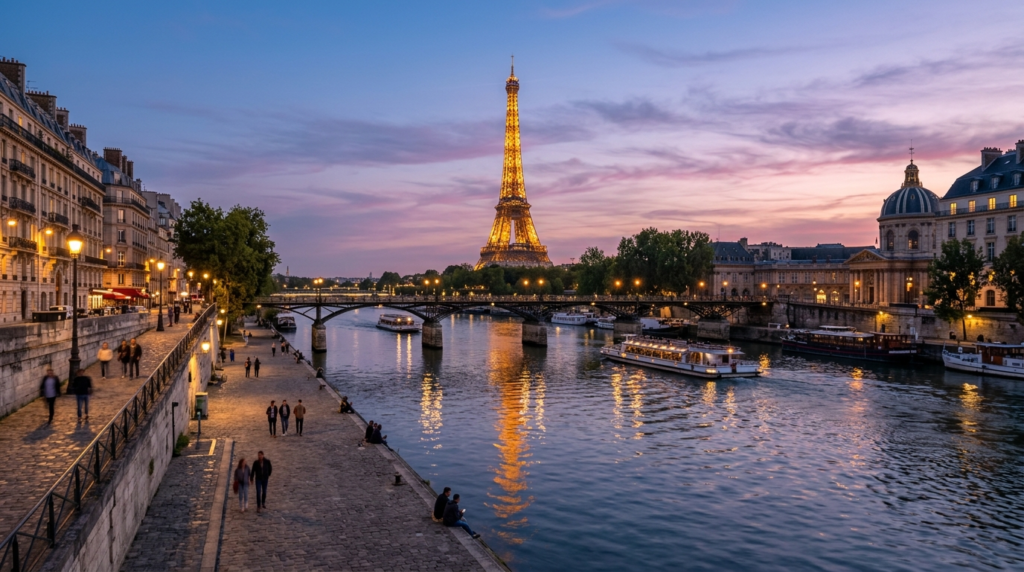
Paris, France: The Timeless City
Paris consistently ranks among the world’s most visited cities and remains essential for 2026 travel. The French capital represents the epitome of romantic European travel, combining cultural sophistication, artistic heritage, exquisite cuisine, and an ambiance that has captivated visitors for centuries.
Why Paris Endures: The city’s concentration of artistic masterpieces—the Louvre (world’s most visited museum), Musée d’Orsay, Centre Pompidou, and countless galleries—creates an environment saturated with human creativity. The architecture itself tells stories spanning from medieval times through contemporary innovation. The food culture treats eating as an art form. The café culture offers endless opportunities for people-watching and leisurely contemplation. The romantic ambiance isn’t fabricated for tourists—it emerges naturally from Parisian life.
Iconic Paris Districts:
- Île de la Cité and Île Saint-Louis: Historic center with Notre-Dame Cathedral, Sainte-Chapelle, and charming streets
- Latin Quarter: Student energy, bookshops, cafes, historic university buildings, and bohemian character
- Marais: Medieval streets, Jewish quarter, cutting-edge galleries, historic mansions, and vibrant community
- Montmartre: Artistic bohemian district with Sacré-Cœur Basilica, artistic legacy, and village atmosphere
- Champs-Élysées and Arc de Triomphe: Grand avenue, high-end shopping, and iconic monuments
- Versailles: Royal Palace of extraordinary grandeur and historical significance, day trip destination
Must-Experience Paris Elements: The Louvre and iconic artworks, leisurely café sitting and people-watching, riverside strolls along the Seine, exploring neighborhoods on foot, attending world-class theater or concerts, experiencing French haute cuisine, visiting neighborhood markets, attending a gallery opening, and capturing the essence of Parisian daily life.
Best Time to Visit: April-May and September-October offer perfect weather and manageable crowds. June-August bring peak tourism and heat. Winter (December-February) offers festive markets, holiday illuminations, and fewer crowds.
Rome, Italy: The Eternal City
Rome remains one of the world’s most historically significant and culturally important destinations, attracting millions of travelers seeking to experience where Western civilization’s foundations were laid and where Renaissance art reached unprecedented heights.
Why Rome Captivates: The city functions as an outdoor museum—virtually every corner reveals centuries of history. Ancient ruins (Roman Forum, Colosseum, Pantheon) exist alongside Renaissance masterpieces (Vatican, St. Peter’s Basilica) and contemporary Italian life. The Colosseum remains one of humanity’s greatest architectural achievements. Vatican City contains the world’s most valuable art collection. The food culture—pasta, pizza, gelato—represents Italian culinary tradition at its finest. The lifestyle—the evening passeggiata (stroll), leisurely dining, embracing life’s pleasures—embodies Mediterranean living.
Rome’s Essential Experiences: Ancient Rome (Colosseum, Roman Forum, Pantheon), Vatican City (St. Peter’s Basilica, Vatican Museums, Sistine Chapel), Renaissance neighborhoods (Trastevere’s winding medieval streets, charming piazzas), iconic fountains (Trevi Fountain, Fontana di Bernini), authentic Roman restaurants and pizzerias, coffee culture and gelato traditions, evening walks along the Tiber River, and experiencing the distinctive Roman energy and warmth.
Best Time to Visit: April-May and September-October offer pleasant weather and manageable crowds. March and November can be cool but pleasant. Summer (June-August) brings intense heat and peak crowds. December offers holiday atmosphere and fewer tourists.

SECTION 2: CULTURAL AND ARTISTIC DESTINATIONS
Nicosia, Cyprus: Europe’s Most Exciting Cultural Destination
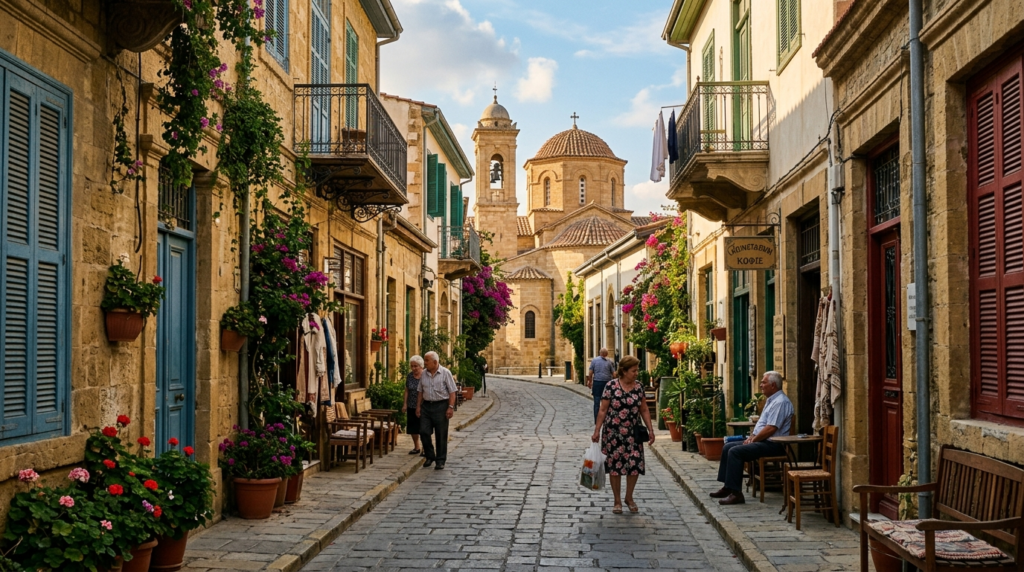
Nicosia (Lefkosia) has been recognized as Europe’s most exciting cultural destination for 2026, offering travelers an authentic Mediterranean cultural experience distinct from overcrowded tourist hotspots. The city serves as a unique bridge between Eastern and Western Mediterranean cultures and between its Turkish and Greek communities.
Cultural and Artistic Appeal: The Old City features narrow medieval streets, traditional architecture, historic churches with Byzantine art, vibrant street art and contemporary galleries, and an authentic Mediterranean atmosphere. The Leventis Museum provides excellent context for understanding Cyprus’s layered history. The city’s cultural scene includes contemporary art galleries, theater venues, and festivals throughout the year.
What Makes Nicosia Special: The city offers authentic Cypriot culture and lifestyle, a more relaxed pace than major European capitals, exceptional local cuisine, historically rich sites, and a focus on genuine cultural experience rather than mass tourism. The division between Greek and Turkish Cypriot communities, while historically complex, adds depth and contemporary significance to understanding Mediterranean culture.
Florence, Italy: Renaissance Art Paradise
Florence remains one of Europe’s most artistically significant destinations, housing an incomparable collection of Renaissance masterpieces and serving as the birthplace of the Renaissance movement that transformed European culture and consciousness.
Why Florence Remains Essential: The city is essentially a Renaissance art museum—the Uffizi Gallery contains masterworks by Botticelli, Leonardo, Michelangelo, and countless others. The Accademia houses Michelangelo’s David, perhaps the most iconic sculpture in Western civilization. Every church contains significant artworks. Walking the city streets means encountering centuries of artistic and architectural achievement. The backdrop of the Arno River and surrounding Tuscan hills adds natural beauty to artistic richness.
Florence Highlights: The Uffizi Gallery, the Accademia, the Duomo (cathedral) with Brunelleschi’s extraordinary dome, the Ponte Vecchio (medieval bridge over the Arno), wandering the streets of the historic center, climbing to viewpoints for panoramic views, exploring neighborhood piazzas and churches, and experiencing the distinctive Florentine character and Renaissance atmosphere.
blob:https://068auss7iqtae18ii4b5m8kr444gbwtg07xel2k0vwy02x99dm-h990329232.scf.usercontent.goog/8e98bcf1-c5f7-4e34-a76a-b9b51a3a6493
Vienna, Austria: Imperial Elegance and Musical Heritage
Vienna ranks consistently among Europe’s best cultural destinations, combining imperial splendor, musical heritage (Mozart, Beethoven, Strauss), classical architecture, and sophisticated culture. The city served as the center of the Austro-Hungarian Empire and retains that sense of grand elegance.
Why Vienna Enchants: The city’s combination of imperial grandeur (Schönbrunn Palace, Hofburg Palace), world-class museums and galleries, coffee house culture, classical music heritage, and architectural sophistication creates an atmosphere of cultivated elegance. Vienna hosts numerous classical music concerts, opera performances, and festivals throughout the year.
Viennese Experiences: Imperial palaces (Schönbrunn and Hofburg), St. Stephen’s Cathedral (Stephansdom) with its distinctive roof, classical music performances and opera, coffee house culture (UNESCO heritage), traditional Viennese cuisine and pastries, the Danube River, youth hostels and beer halls offering casual Vienna, and experiencing the distinctive Viennese blend of imperial formality and relaxed enjoyment of life.
SECTION 3: NATURAL BEAUTY AND OUTDOOR DESTINATIONS
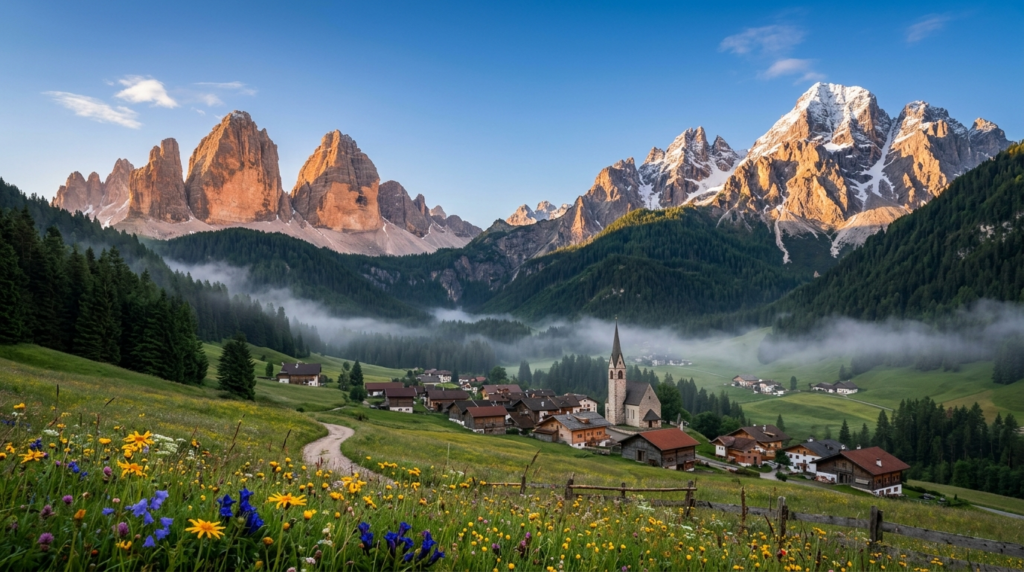
The Dolomites, Italy: Alpine Wonder
The Dolomites represent one of Europe’s most spectacular mountain landscapes, offering dramatic peaks, picturesque villages, world-class hiking, skiing in winter, and views of extraordinary beauty. The region also hosts part of the 2026 Winter Olympics, making it particularly significant for 2026 travel.
Why the Dolomites Stand Out: The landscape combines dramatic alpine peaks (UNESCO World Heritage), pristine mountain lakes, charming villages, excellent infrastructure for outdoor recreation, and accessibility from major European cities. The distinctive geology creates otherworldly rock formations and colors, particularly at sunrise and sunset.
Activities and Experiences: Winter skiing at world-class resorts, summer hiking with numerous trail options, mountain biking, climbing, visiting picturesque alpine villages, enjoying traditional Tyrolean cuisine, experiencing the ski resort culture during Winter Olympics season, and simply appreciating one of Europe’s most beautiful landscapes.
Swiss Alps: Scenic Grandeur and Outdoor Adventure
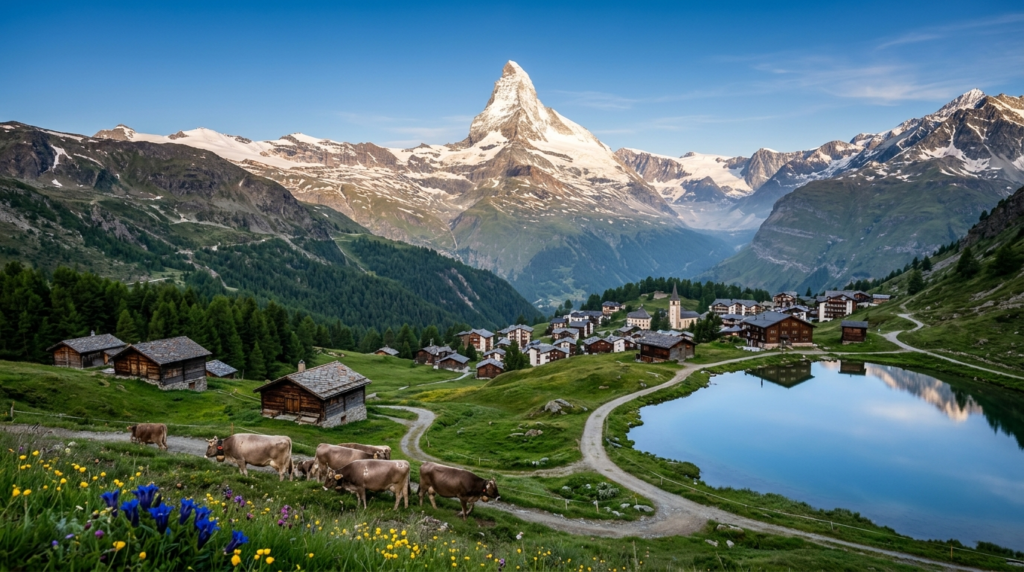
The Swiss Alps represent Europe’s most iconic mountain landscape, offering dramatic peaks, pristine alpine villages, excellent hiking and mountaineering, culinary excellence, and some of the world’s most spectacular scenery.
Why Switzerland Attracts Travelers: The combination of dramatic natural beauty, reliable infrastructure, cleanliness, efficiency, and well-established tourism creates an outstanding experience. The Swiss quality of life is among the world’s highest. The mountain landscape offers activities across seasons—summer hiking, winter skiing, year-round scenic beauty.
Swiss Alpine Destinations: The Matterhorn (iconic peak and mountaineering objective), Interlaken (adventure capital between Eiger and Jungfrau), Zermatt (mountain resort beneath the Matterhorn), Grindelwald (hiking base with views of Eiger), and scenic train routes offering transportation and spectacular views simultaneously.
SECTION 4: BEACH AND MEDITERRANEAN DESTINATIONS
Greek Islands: Sun, Sea, and Ancient History
Greece’s islands offer the quintessential Mediterranean experience—crystal-clear seas, white-washed villages, ancient ruins, exceptional seafood, and the relaxed Greek island lifestyle. Different islands offer distinct experiences from party scenes to tranquil retreats to cultural richness.
Top Greek Island Destinations:
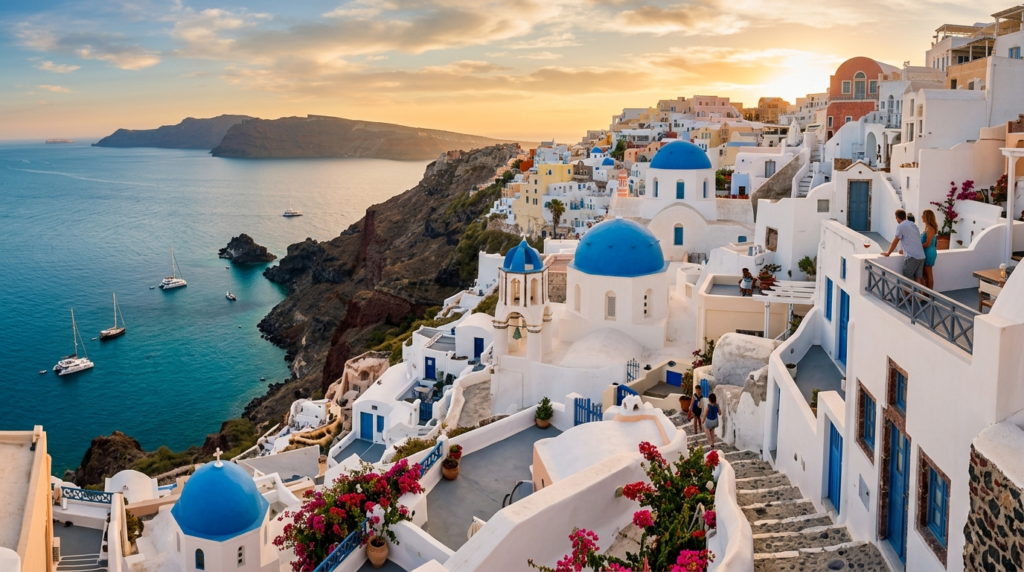
- Santorini: Iconic white and blue villages, dramatic volcanic scenery, stunning sunsets
- Mykonos: Vibrant nightlife, beautiful beaches, cosmopolitan energy
- Crete: Largest island with diverse landscapes, archaeological sites, authentic culture
- Rhodes: Historic medieval old town, beautiful beaches, sun-drenched landscape
- Lesser-known islands: Naxos, Paros, Antiparos, Folegandros offer quieter alternatives with charm
Greek Island Experiences: Swimming in crystalline Mediterranean waters, exploring ancient ruins (Akrotiri in Santorini), watching sunset from Caldera cliffs, enjoying fresh seafood and Greek cuisine, island-hopping by ferry, hiking scenic trails, attending village festivals, experiencing genuine Greek hospitality and island lifestyle.
SECTION 5: SPECIAL EVENTS AND EXPERIENCES IN 2026
The 2026 Total Solar Eclipse (August 12)
A total solar eclipse crossing parts of Europe on August 12, 2026, creates one of the year’s most significant travel events. The eclipse path traverses parts of Portugal, Spain, and other European regions, offering eclipse enthusiasts and curious travelers a unique travel motivation.
Why Eclipse Chasers Travel: Total solar eclipses are rare astronomical phenomena—even rarer for specific locations to experience totality within human lifespans. The eclipse creates a transformative shared experience and provides excellent rationale to visit or revisit specific European destinations during August 2026.
Best Eclipse Viewing Locations in Europe: Portugal (Lisbon, northern regions), Spain (Madrid region, northern areas), and other pathways across southern Europe offer optimal viewing opportunities. Tours and guide services specifically organize eclipse viewing experiences, combining astronomical phenomenon with cultural tourism.
SECTION 6: PRACTICAL EUROPEAN TRAVEL PLANNING
Transportation Between European Destinations
Europe’s exceptional transportation infrastructure makes multi-destination travel remarkably feasible:
- Trains: High-speed rail networks (Eurostar, TGV, ICE) connect major cities efficiently and comfortably, often faster than flying when considering airport access times
- Flights: Budget airlines enable affordable point-to-point travel; flight times are short between European cities
- Buses: Long-distance buses offer economical alternatives with extensive networks
- Driving: Car rentals allow flexibility and access to rural regions; excellent road infrastructure; drive on the right side except in UK/Ireland
Visa, Currency, and Documentation
- Schengen Area: Citizens of most countries enjoy visa-free travel for up to 90 days within Schengen countries
- Currency: 20 European countries use the Euro; some nations (UK, Switzerland, Sweden, Denmark, Poland, Czech Republic, Hungary) maintain separate currencies
- Documentation: Passport valid for 6+ months recommended; travel insurance advised; check visa requirements based on your nationality
- Currency Exchange: Use ATMs for best rates; avoid exchanging at airports or tourist areas
Accommodations and Budget Planning
European accommodation ranges dramatically:
- Budget: Hostels (€15-30/night), budget hotels (€30-60/night)
- Mid-Range: Hotel or Airbnb (€60-150/night)
- Luxury: Hotels and boutique properties (€150+/night)
Major capitals (London, Paris, Madrid, Rome) cost more; smaller cities and eastern European destinations offer excellent value.
Food Culture and Dining
European food culture varies significantly by region:
- Mediterranean: Fresh ingredients, olive oil, seafood, regional wines
- Central/Eastern Europe: Hearty fare, preservation traditions, excellent beer and wine
- Northern Europe: Fresh fish, dairy traditions, modern culinary innovation
- Dining etiquette differs—tipping, meal timing, and course structure vary by country
When to Visit and Crowd Avoidance
- Peak season: July-August brings maximum tourism, higher prices, and crowds
- Shoulder season: May-June and September-October offer ideal weather with fewer crowds
- Winter: December-February offers festive atmosphere, lower prices, and unique experiences but cold weather in northern regions
- Best practice: Plan visits to major cities and attractions outside July-August for better experiences
CONCLUSION: Europe Awaits Your 2026 Adventure
Europe’s diversity ensures experiences to match any travel style, budget, or interest. From Madrid’s contemporary vitality to Rome’s historical grandeur, from Paris’s romantic ambiance to London’s cultural richness, from Greek island paradise to Alpine majesty, Europe offers unmatched travel opportunities.
The destinations outlined in this guide represent Europe’s best experiences available in 2026. Whether you choose to explore one country deeply, create a multi-country itinerary, or return to beloved European destinations, your 2026 European adventure will create memories to cherish throughout your life.
Europe awaits your exploration. Plan your journey now and discover why this continent has captivated travelers for centuries.
THUMBNAIL PROMPT:
“Best European Destinations 2026: Stunning collage of Europe’s iconic attractions – Madrid’s Royal Palace in golden light, London’s Tower Bridge illuminated at dusk, Paris’s Eiffel Tower in twilight, Rome’s Colosseum in ancient grandeur, Florence’s Renaissance dome, Nicosia’s medieval streets, Swiss Alpine Matterhorn peaks, Greek Santorini white buildings with blue domes, Dolomites dramatic mountains, 9:16 vertical format, vibrant diverse imagery representing the best of European travel, professional travel photography quality, inspiring wanderlust and cultural discovery.”
Best European Destinations 2026: The Ultimate Guide to Europe’s Most Compelling Travel Experiences
By Europe Travel Editor | Updated: 2026 | European Destinations | Cultural & Adventure Travel
Introduction: Europe’s Golden Year of Travel
Europe stands as the world’s most visited continent, and 2026 represents a particularly compelling year to explore its diverse destinations. From the Mediterranean’s sun-drenched islands to Scandinavia’s midnight sun, from bustling cosmopolitan capitals to tranquil rural villages, Europe offers an unmatched diversity of experiences, cultures, historical significance, and natural beauty.
The year 2026 is marked by special circumstances that enhance European travel: the total solar eclipse crossing parts of Europe in August, new luxury accommodations opening across the continent, significant cultural events and festivals, newly renovated landmarks and museums, and an increasing focus on sustainable tourism that honors Europe’s environmental commitments.
This comprehensive guide identifies and explores Europe’s best destinations for 2026, drawing from expert assessments, traveler data, cultural significance, and special events occurring throughout the year. Whether you’re planning your first European experience or returning to revisit beloved destinations, this guide provides the essential insights and practical information needed to craft an unforgettable European journey.
[IMAGE PROMPT 1: European Landmarks Collage]
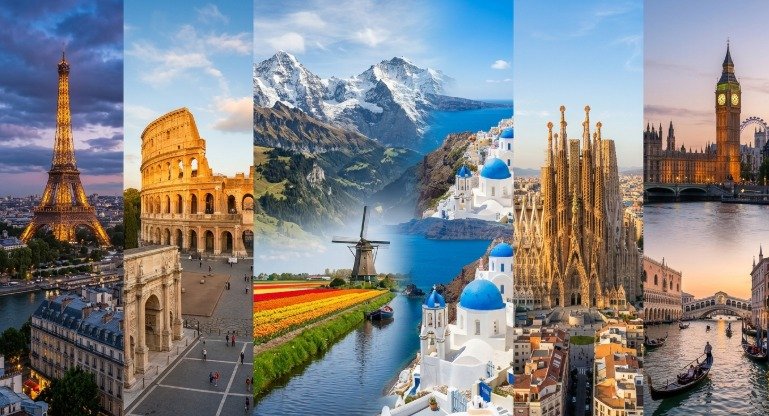
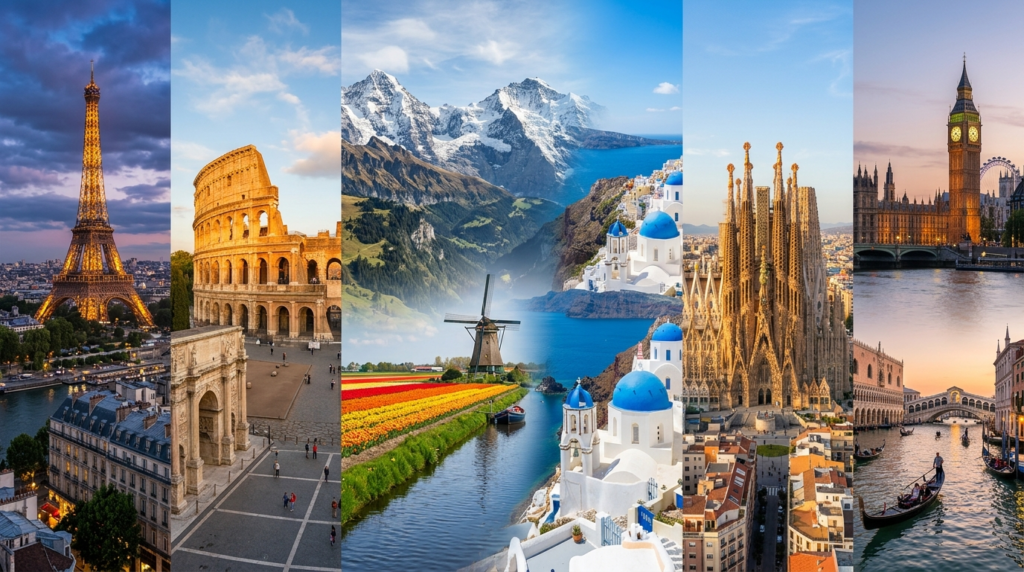
A magnificent collage of iconic European destinations: the Eiffel Tower illuminated against a Parisian twilight sky, Roman Colosseum in golden sunlight, Swiss Alps peaks covered in snow, Dutch windmills and tulip fields, Mediterranean Greek islands with white and blue buildings, Barcelona’s Sagrada Familia basilica, Big Ben and Westminster Abbey in London, and Venice’s Grand Canal with gondolas, 9:16 vertical format, representing the diversity and iconic beauty of Europe’s greatest destinations.
SECTION 1: TOP-RANKED EUROPEAN DESTINATIONS FOR 2026
Madrid, Spain: Europe’s Best Destination
Madrid has been crowned Europe’s Best Destination for 2026 following comprehensive analysis of over 1.3 million votes and assessment of tourism trends, cultural significance, and traveler satisfaction. This recognition reflects Madrid’s successful transformation into one of Europe’s most vibrant, inclusive, and culturally rich capital cities.
Why Madrid Leads Europe: The city perfectly embodies the contemporary European experience—world-class museums of unprecedented quality, exceptional cuisine ranging from casual tapas to Michelin-starred innovation, cosmopolitan neighborhoods each with distinct character, vibrant nightlife and cultural scene, efficient public transportation, and an atmosphere of creative vitality. The “Golden Triangle of Art” (Prado Museum, Reina Sofía Museum, Thyssen-Bornemisza Museum) constitutes one of the world’s finest collections of art, rivaling any city globally.
Neighborhoods to Explore:
- Sol and Centro: Historic heart with Plaza Mayor, Puerta del Sol, and traditional architecture
- Malasaña: Bohemian district with street art, vintage shops, independent cafes, and trendy bars
- Gran Vía: Madrid’s main avenue with shopping, architecture, and city pulse
- Salamanca: Upscale neighborhood with designer shopping, fine dining, and elegant plazas
- Chueca: LGBTQ+-friendly district with innovative restaurants, galleries, and nightlife
- Retiro: Park-centered neighborhood with museums, green space, and cultural institutions
Must-Experience Elements: The Prado Museum (Spanish masters and Renaissance treasures), the Reina Sofía Museum (including Picasso’s Guernica), leisurely terrace dining in neighborhood plazas, authentic Spanish restaurants, flamenco performances, shopping and people-watching, royal palace grandeur, contemporary art galleries, and the unique Madrid energy that keeps the city alive late into the night.
Best Time to Visit: May-June and September-October offer ideal weather and moderate crowds. April and November can be slightly cool but pleasant. July-August brings heat and crowds. December features holiday markets and festive atmosphere.
[IMAGE PROMPT 2: Madrid Royal Palace and Golden City Light]
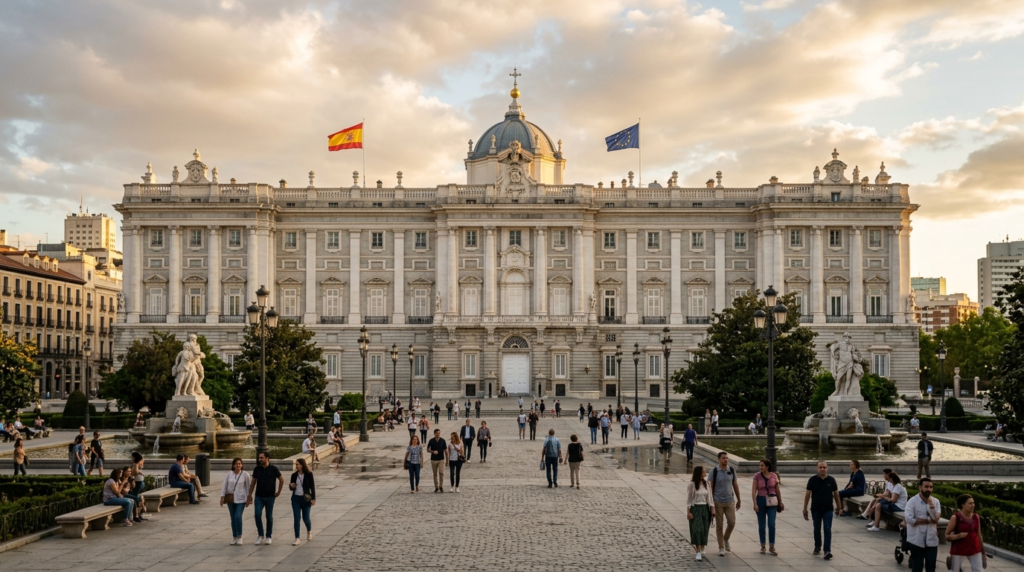
A majestic photograph of Madrid’s Royal Palace (Palacio Real) captured in golden afternoon light, featuring the palace’s white stone baroque facade with its distinctive architecture and symmetry, flags of Spain and Europe visible above the roofline, plaza in foreground with elegant fountains and sculptures, cobblestone streets showing people enjoying evening paseos and city life, beautiful Madrid sky in warm tones creating dramatic shadows, 9:16 portrait format, showcasing Madrid’s grandeur and appeal as Europe’s best destination.
London, United Kingdom: Europe’s Most Livable City
London retains its position as Europe’s best city for liveability and continues to rank as the most visited European city. The British capital combines historical significance with contemporary energy, offering unparalleled cultural attractions, world-class dining, and the distinctive energy that has made it one of humanity’s greatest cities.
Why London Remains Unmatched: The city offers an unparalleled density of world-class museums and galleries, predominantly offering free admission to permanent collections. The historic core features iconic landmarks—Tower of London, Westminster Abbey, Big Ben, Buckingham Palace, St. Paul’s Cathedral—all within reasonable traveling distance. Each neighborhood possesses distinct character and attractions. The efficient Underground (Tube) system makes navigation seamless. The cultural scene—theater, music, comedy, visual arts—is world-leading.
Essential London Neighborhoods:
- Westminster: Royal palaces, Parliament, historic monuments, and government center
- South Bank: Modern cultural institutions, riverside dining, street performers, and vibrant energy
- Soho: Theaters, restaurants, historical significance, and distinctive London character
- East End/Shoreditch: Cutting-edge art galleries, street art, vintage shops, and creative community
- Camden: Markets, music venues, alternative fashion, and bohemian energy
- Knightsbridge: High-end shopping, affluent neighborhoods, and upscale dining
World-Class Attractions: British Museum (free admission), National Gallery, Victoria and Albert Museum, Tower of London, Westminster Abbey, royal ceremonies and changing of the guard, West End theater, vibrant pub culture, authentic afternoon tea, street markets, Thames river experiences, exceptional restaurants across all cuisines and price ranges.
Best Time to Visit: May-September offers pleasant weather and long daylight. July-August bring peak crowds. April-May features spring blossoms. December brings festive holiday atmosphere and markets. Year-round offers cultural events and attractions.
[IMAGE PROMPT 3: London Tower Bridge Twilight Elegance]
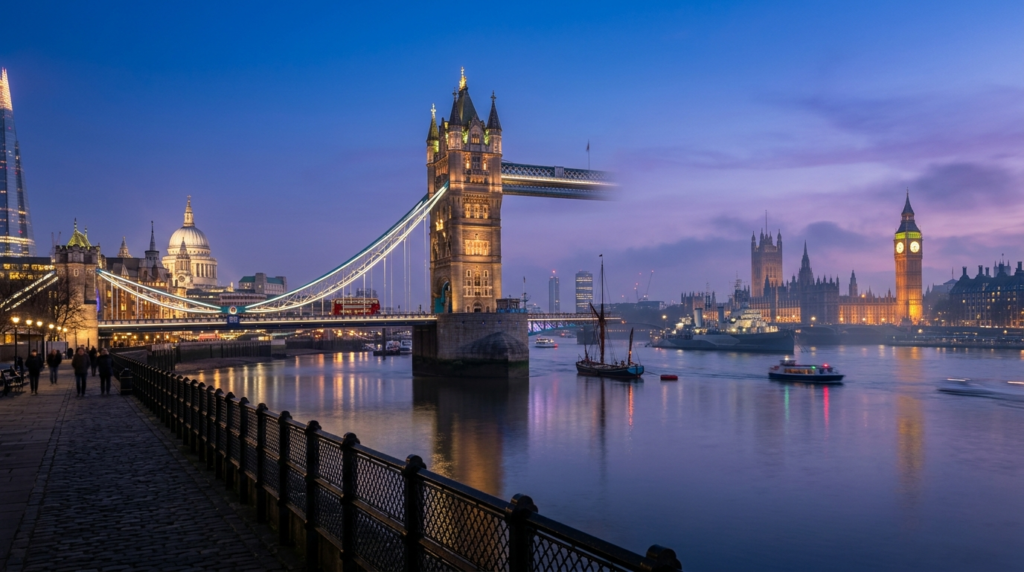
A stunning photograph of Tower Bridge spanning the River Thames, illuminated during twilight with warm golden and cool blue tones creating magical lighting, Big Ben and Elizabeth Tower visible in the distance with their own illumination, St. Paul’s Cathedral’s distinctive dome visible in the background, Thames waters reflecting the lights creating a mirror effect, historic boats on the river adding life, London’s distinctive architectural blend of old and new visible throughout, 9:16 portrait format, capturing London’s enduring charm and architectural majesty.
Paris, France: The Timeless City
Paris consistently ranks among the world’s most visited cities and remains essential for 2026 travel. The French capital represents the epitome of romantic European travel, combining cultural sophistication, artistic heritage, exquisite cuisine, and an ambiance that has captivated visitors for centuries.
Why Paris Endures: The city’s concentration of artistic masterpieces—the Louvre (world’s most visited museum), Musée d’Orsay, Centre Pompidou, and countless galleries—creates an environment saturated with human creativity. The architecture itself tells stories spanning from medieval times through contemporary innovation. The food culture treats eating as an art form. The café culture offers endless opportunities for people-watching and leisurely contemplation. The romantic ambiance isn’t fabricated for tourists—it emerges naturally from Parisian life.
Iconic Paris Districts:
- Île de la Cité and Île Saint-Louis: Historic center with Notre-Dame Cathedral, Sainte-Chapelle, and charming streets
- Latin Quarter: Student energy, bookshops, cafes, historic university buildings, and bohemian character
- Marais: Medieval streets, Jewish quarter, cutting-edge galleries, historic mansions, and vibrant community
- Montmartre: Artistic bohemian district with Sacré-Cœur Basilica, artistic legacy, and village atmosphere
- Champs-Élysées and Arc de Triomphe: Grand avenue, high-end shopping, and iconic monuments
- Versailles: Royal Palace of extraordinary grandeur and historical significance, day trip destination
Must-Experience Paris Elements: The Louvre and iconic artworks, leisurely café sitting and people-watching, riverside strolls along the Seine, exploring neighborhoods on foot, attending world-class theater or concerts, experiencing French haute cuisine, visiting neighborhood markets, attending a gallery opening, and capturing the essence of Parisian daily life.
Best Time to Visit: April-May and September-October offer perfect weather and manageable crowds. June-August bring peak tourism and heat. Winter (December-February) offers festive markets, holiday illuminations, and fewer crowds.
[IMAGE PROMPT 4: Paris Eiffel Tower and Seine River Romance]
A romantic photograph of the Eiffel Tower illuminated at dusk, viewed from the Seine riverbank, with golden warm lighting on the tower creating a glowing effect against a twilight sky transitioning from blue to purple, elegant bridges spanning the river, historic Parisian buildings along the riverbanks showing romantic architecture in warm stone tones, early evening lights beginning to twinkle throughout the city, river flowing peacefully reflecting the lights, a few riverside strollers adding to the romantic atmosphere, 9:16 portrait format, embodying the timeless romance and beauty of Paris.
Rome, Italy: The Eternal City
Rome remains one of the world’s most historically significant and culturally important destinations, attracting millions of travelers seeking to experience where Western civilization’s foundations were laid and where Renaissance art reached unprecedented heights.
Why Rome Captivates: The city functions as an outdoor museum—virtually every corner reveals centuries of history. Ancient ruins (Roman Forum, Colosseum, Pantheon) exist alongside Renaissance masterpieces (Vatican, St. Peter’s Basilica) and contemporary Italian life. The Colosseum remains one of humanity’s greatest architectural achievements. Vatican City contains the world’s most valuable art collection. The food culture—pasta, pizza, gelato—represents Italian culinary tradition at its finest. The lifestyle—the evening passeggiata (stroll), leisurely dining, embracing life’s pleasures—embodies Mediterranean living.
Rome’s Essential Experiences: Ancient Rome (Colosseum, Roman Forum, Pantheon), Vatican City (St. Peter’s Basilica, Vatican Museums, Sistine Chapel), Renaissance neighborhoods (Trastevere’s winding medieval streets, charming piazzas), iconic fountains (Trevi Fountain, Fontana di Bernini), authentic Roman restaurants and pizzerias, coffee culture and gelato traditions, evening walks along the Tiber River, and experiencing the distinctive Roman energy and warmth.
Best Time to Visit: April-May and September-October offer pleasant weather and manageable crowds. March and November can be cool but pleasant. Summer (June-August) brings intense heat and peak crowds. December offers holiday atmosphere and fewer tourists.
[IMAGE PROMPT 5: Roman Colosseum Ancient Grandeur]
An awe-inspiring photograph of Rome’s Colosseum (Flavian Amphitheater), captured from a distance showing its massive scale and architectural impact, ancient weathered stone in warm ochre and tan tones, multiple tiers of archways visible showing the engineering brilliance of ancient Rome, golden afternoon light creating dramatic shadows and depth, Italian sky in clear blue above, surrounding modern Rome visible beyond showing the blend of ancient and contemporary, tourists exploring the grounds adding human scale to the vast structure, 9:16 portrait format, representing the grandeur and historical significance of ancient Rome.
SECTION 2: CULTURAL AND ARTISTIC DESTINATIONS
Nicosia, Cyprus: Europe’s Most Exciting Cultural Destination
Nicosia (Lefkosia) has been recognized as Europe’s most exciting cultural destination for 2026, offering travelers an authentic Mediterranean cultural experience distinct from overcrowded tourist hotspots. The city serves as a unique bridge between Eastern and Western Mediterranean cultures and between its Turkish and Greek communities.
Cultural and Artistic Appeal: The Old City features narrow medieval streets, traditional architecture, historic churches with Byzantine art, vibrant street art and contemporary galleries, and an authentic Mediterranean atmosphere. The Leventis Museum provides excellent context for understanding Cyprus’s layered history. The city’s cultural scene includes contemporary art galleries, theater venues, and festivals throughout the year.
What Makes Nicosia Special: The city offers authentic Cypriot culture and lifestyle, a more relaxed pace than major European capitals, exceptional local cuisine, historically rich sites, and a focus on genuine cultural experience rather than mass tourism. The division between Greek and Turkish Cypriot communities, while historically complex, adds depth and contemporary significance to understanding Mediterranean culture.
[IMAGE PROMPT 6: Nicosia Old City Medieval Streets]
A charming photograph of Nicosia’s Old City: narrow medieval stone-paved streets creating intimate walkways, traditional Cypriot architecture with warm stone facades and weathered wooden shutters, hanging plants and flowers creating bursts of color, historic church with Byzantine cross visible at street’s end, local cafes and small shops lining the streets, warm Mediterranean light creating dramatic shadows between buildings, authentic Mediterranean atmosphere with local people going about daily life, 9:16 portrait format, capturing the authentic cultural essence of Nicosia.
Florence, Italy: Renaissance Art Paradise
Florence remains one of Europe’s most artistically significant destinations, housing an incomparable collection of Renaissance masterpieces and serving as the birthplace of the Renaissance movement that transformed European culture and consciousness.
Why Florence Remains Essential: The city is essentially a Renaissance art museum—the Uffizi Gallery contains masterworks by Botticelli, Leonardo, Michelangelo, and countless others. The Accademia houses Michelangelo’s David, perhaps the most iconic sculpture in Western civilization. Every church contains significant artworks. Walking the city streets means encountering centuries of artistic and architectural achievement. The backdrop of the Arno River and surrounding Tuscan hills adds natural beauty to artistic richness.
Florence Highlights: The Uffizi Gallery, the Accademia, the Duomo (cathedral) with Brunelleschi’s extraordinary dome, the Ponte Vecchio (medieval bridge over the Arno), wandering the streets of the historic center, climbing to viewpoints for panoramic views, exploring neighborhood piazzas and churches, and experiencing the distinctive Florentine character and Renaissance atmosphere.
[IMAGE PROMPT 7: Florence Duomo and Renaissance Skyline]
A breathtaking photograph of Florence’s skyline dominated by the Duomo (Cathedral) with Brunelleschi’s iconic red and white dome rising majestically against a clear blue sky, Giotto’s campanile (bell tower) adjacent with its geometric green and white marble patterns, the Ponte Vecchio visible spanning the Arno River below, surrounding Renaissance architecture in warm terracotta, ochre, and cream tones, Tuscan hills visible in the distance beyond the city, golden evening light creating warm and romantic atmosphere, 9:16 portrait format, representing the artistic and architectural heights of the Renaissance.
Vienna, Austria: Imperial Elegance and Musical Heritage
Vienna ranks consistently among Europe’s best cultural destinations, combining imperial splendor, musical heritage (Mozart, Beethoven, Strauss), classical architecture, and sophisticated culture. The city served as the center of the Austro-Hungarian Empire and retains that sense of grand elegance.
Why Vienna Enchants: The city’s combination of imperial grandeur (Schönbrunn Palace, Hofburg Palace), world-class museums and galleries, coffee house culture, classical music heritage, and architectural sophistication creates an atmosphere of cultivated elegance. Vienna hosts numerous classical music concerts, opera performances, and festivals throughout the year.
Viennese Experiences: Imperial palaces (Schönbrunn and Hofburg), St. Stephen’s Cathedral (Stephansdom) with its distinctive roof, classical music performances and opera, coffee house culture (UNESCO heritage), traditional Viennese cuisine and pastries, the Danube River, youth hostels and beer halls offering casual Vienna, and experiencing the distinctive Viennese blend of imperial formality and relaxed enjoyment of life.
SECTION 3: NATURAL BEAUTY AND OUTDOOR DESTINATIONS
The Dolomites, Italy: Alpine Wonder
The Dolomites represent one of Europe’s most spectacular mountain landscapes, offering dramatic peaks, picturesque villages, world-class hiking, skiing in winter, and views of extraordinary beauty. The region also hosts part of the 2026 Winter Olympics, making it particularly significant for 2026 travel.
Why the Dolomites Stand Out: The landscape combines dramatic alpine peaks (UNESCO World Heritage), pristine mountain lakes, charming villages, excellent infrastructure for outdoor recreation, and accessibility from major European cities. The distinctive geology creates otherworldly rock formations and colors, particularly at sunrise and sunset.
Activities and Experiences: Winter skiing at world-class resorts, summer hiking with numerous trail options, mountain biking, climbing, visiting picturesque alpine villages, enjoying traditional Tyrolean cuisine, experiencing the ski resort culture during Winter Olympics season, and simply appreciating one of Europe’s most beautiful landscapes.
[IMAGE PROMPT 8: Dolomites Alpine Peaks and Village]
A stunning landscape photograph of the Dolomites mountains: jagged, dramatic mountain peaks with sheer rock faces rising against a clear blue sky, distinctive reddish and tan colored rock formations creating otherworldly visual effects, pristine alpine meadows with wildflowers in the foreground, a traditional Tyrolean village nestled in the valley with red-tiled roofs and church steeple, wooden chalets with Alpine character, morning mist creating atmospheric effects, perfect winter snow on highest peaks with green forests lower down, 9:16 portrait format, representing the dramatic beauty and outdoor adventure opportunities of the Dolomites.
Swiss Alps: Scenic Grandeur and Outdoor Adventure
The Swiss Alps represent Europe’s most iconic mountain landscape, offering dramatic peaks, pristine alpine villages, excellent hiking and mountaineering, culinary excellence, and some of the world’s most spectacular scenery.
Why Switzerland Attracts Travelers: The combination of dramatic natural beauty, reliable infrastructure, cleanliness, efficiency, and well-established tourism creates an outstanding experience. The Swiss quality of life is among the world’s highest. The mountain landscape offers activities across seasons—summer hiking, winter skiing, year-round scenic beauty.
Swiss Alpine Destinations: The Matterhorn (iconic peak and mountaineering objective), Interlaken (adventure capital between Eiger and Jungfrau), Zermatt (mountain resort beneath the Matterhorn), Grindelwald (hiking base with views of Eiger), and scenic train routes offering transportation and spectacular views simultaneously.
[IMAGE PROMPT 9: Swiss Alps Matterhorn and Alpine Villages]
A breathtaking photograph of the Matterhorn mountain peak, captured in morning light with snow-covered slopes creating brilliant white brilliance, distinctive pyramid shape rising majestically against a clear alpine sky, surrounding peaks and ridges visible showing the complex mountain terrain, alpine meadows in foreground with grazing cows and traditional wooden chalets, a pristine alpine lake reflecting the mountain scenery, small Swiss village with traditional architecture nestled in the valley, perfect conditions with clear visibility and beautiful lighting, 9:16 portrait format, representing the iconic grandeur of the Swiss Alps.
SECTION 4: BEACH AND MEDITERRANEAN DESTINATIONS
Greek Islands: Sun, Sea, and Ancient History
Greece’s islands offer the quintessential Mediterranean experience—crystal-clear seas, white-washed villages, ancient ruins, exceptional seafood, and the relaxed Greek island lifestyle. Different islands offer distinct experiences from party scenes to tranquil retreats to cultural richness.
Top Greek Island Destinations:
- Santorini: Iconic white and blue villages, dramatic volcanic scenery, stunning sunsets
- Mykonos: Vibrant nightlife, beautiful beaches, cosmopolitan energy
- Crete: Largest island with diverse landscapes, archaeological sites, authentic culture
- Rhodes: Historic medieval old town, beautiful beaches, sun-drenched landscape
- Lesser-known islands: Naxos, Paros, Antiparos, Folegandros offer quieter alternatives with charm
Greek Island Experiences: Swimming in crystalline Mediterranean waters, exploring ancient ruins (Akrotiri in Santorini), watching sunset from Caldera cliffs, enjoying fresh seafood and Greek cuisine, island-hopping by ferry, hiking scenic trails, attending village festivals, experiencing genuine Greek hospitality and island lifestyle.
[IMAGE PROMPT 10: Greek Santorini White and Blue Architecture]
An iconic photograph of Santorini, Greece: whitewashed cubic buildings with blue doors and shutters cascading down cliffsides toward the crystalline Mediterranean Sea, the famous blue-domed Orthodox church prominently featured, volcanic cliffs creating dramatic backdrop, sunset casting warm golden and pink tones across the buildings and sea, tourists enjoying the views from terraces, sailboats on the turquoise water below, the distinctive Greek island architecture creating geometric patterns, 9:16 portrait format, representing the iconic beauty and allure of Greek island travel.
SECTION 5: SPECIAL EVENTS AND EXPERIENCES IN 2026
The 2026 Total Solar Eclipse (August 12)
A total solar eclipse crossing parts of Europe on August 12, 2026, creates one of the year’s most significant travel events. The eclipse path traverses parts of Portugal, Spain, and other European regions, offering eclipse enthusiasts and curious travelers a unique travel motivation.
Why Eclipse Chasers Travel: Total solar eclipses are rare astronomical phenomena—even rarer for specific locations to experience totality within human lifespans. The eclipse creates a transformative shared experience and provides excellent rationale to visit or revisit specific European destinations during August 2026.
Best Eclipse Viewing Locations in Europe: Portugal (Lisbon, northern regions), Spain (Madrid region, northern areas), and other pathways across southern Europe offer optimal viewing opportunities. Tours and guide services specifically organize eclipse viewing experiences, combining astronomical phenomenon with cultural tourism.
SECTION 6: PRACTICAL EUROPEAN TRAVEL PLANNING
Transportation Between European Destinations
Europe’s exceptional transportation infrastructure makes multi-destination travel remarkably feasible:
- Trains: High-speed rail networks (Eurostar, TGV, ICE) connect major cities efficiently and comfortably, often faster than flying when considering airport access times
- Flights: Budget airlines enable affordable point-to-point travel; flight times are short between European cities
- Buses: Long-distance buses offer economical alternatives with extensive networks
- Driving: Car rentals allow flexibility and access to rural regions; excellent road infrastructure; drive on the right side except in UK/Ireland
Visa, Currency, and Documentation
- Schengen Area: Citizens of most countries enjoy visa-free travel for up to 90 days within Schengen countries
- Currency: 20 European countries use the Euro; some nations (UK, Switzerland, Sweden, Denmark, Poland, Czech Republic, Hungary) maintain separate currencies
- Documentation: Passport valid for 6+ months recommended; travel insurance advised; check visa requirements based on your nationality
- Currency Exchange: Use ATMs for best rates; avoid exchanging at airports or tourist areas
Accommodations and Budget Planning
European accommodation ranges dramatically:
- Budget: Hostels (€15-30/night), budget hotels (€30-60/night)
- Mid-Range: Hotel or Airbnb (€60-150/night)
- Luxury: Hotels and boutique properties (€150+/night)
Major capitals (London, Paris, Madrid, Rome) cost more; smaller cities and eastern European destinations offer excellent value.
Food Culture and Dining
European food culture varies significantly by region:
- Mediterranean: Fresh ingredients, olive oil, seafood, regional wines
- Central/Eastern Europe: Hearty fare, preservation traditions, excellent beer and wine
- Northern Europe: Fresh fish, dairy traditions, modern culinary innovation
- Dining etiquette differs—tipping, meal timing, and course structure vary by country
When to Visit and Crowd Avoidance
- Peak season: July-August brings maximum tourism, higher prices, and crowds
- Shoulder season: May-June and September-October offer ideal weather with fewer crowds
- Winter: December-February offers festive atmosphere, lower prices, and unique experiences but cold weather in northern regions
- Best practice: Plan visits to major cities and attractions outside July-August for better experiences
CONCLUSION: Europe Awaits Your 2026 Adventure
Europe’s diversity ensures experiences to match any travel style, budget, or interest. From Madrid’s contemporary vitality to Rome’s historical grandeur, from Paris’s romantic ambiance to London’s cultural richness, from Greek island paradise to Alpine majesty, Europe offers unmatched travel opportunities.
The destinations outlined in this guide represent Europe’s best experiences available in 2026. Whether you choose to explore one country deeply, create a multi-country itinerary, or return to beloved European destinations, your 2026 European adventure will create memories to cherish throughout your life.
Europe awaits your exploration. Plan your journey now and discover why this continent has captivated travelers for centuries.